Climate change is no longer a distant challenge for young people in Aceh. Rising temperatures, coastal erosion, declining biodiversity, and increasing environmental degradation are becoming part of everyday life. Addressing these challenges requires more than scientific knowledge alone—it also demands recognition of the Indigenous and locally grounded knowledge that has guided Acehnese communities in living sustainably with nature for generations.
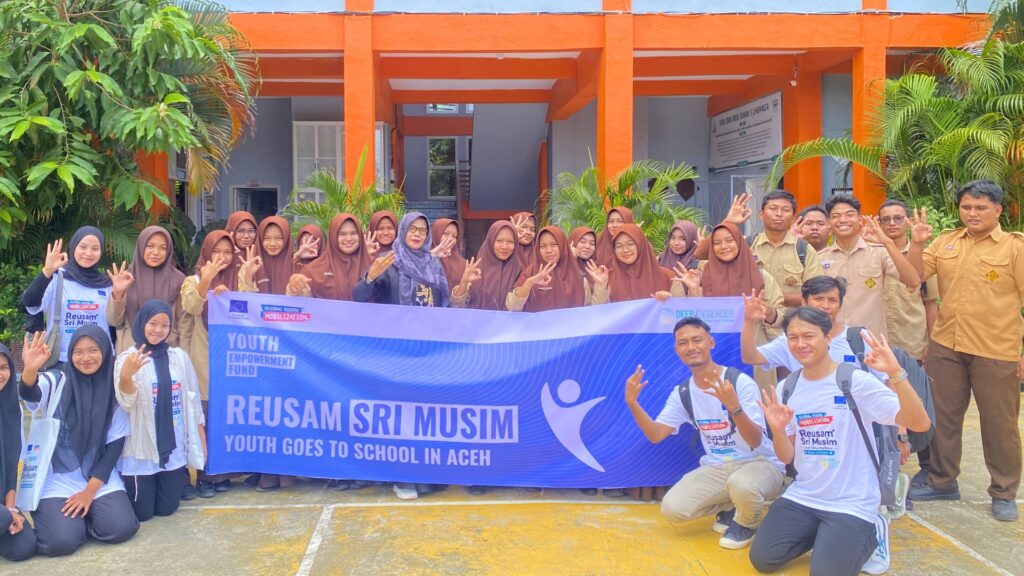
To respond to these challenges, DEEP EnGender, through the Global Youth Mobilization (GYM) initiative supported by the Youth Empowerment Fund (YEF) and funded by the European Union, implemented Reusam Sri Musim: Youth Goes to School in Aceh, a youth-led initiative connecting climate education, disaster resilience, and Acehnese Indigenous knowledge.
Reusam Sri Musim builds on DEEP EnGender's broader GYM work, which has engaged approximately 300 young people aged 12–21 across disaster-prone coastal and inland communities in Banda Aceh, Pidie Jaya, and Aceh Barat. The approach was implemented over approximately 12–14 weeks, with around 8–10 facilitated sessions per cohort, using existing community spaces such as Meunasah as accessible learning environments. Rather than constructing parallel NGO infrastructure, the initiative worked through existing community structures and local spaces to strengthen youth participation, ownership, and community-based learning.
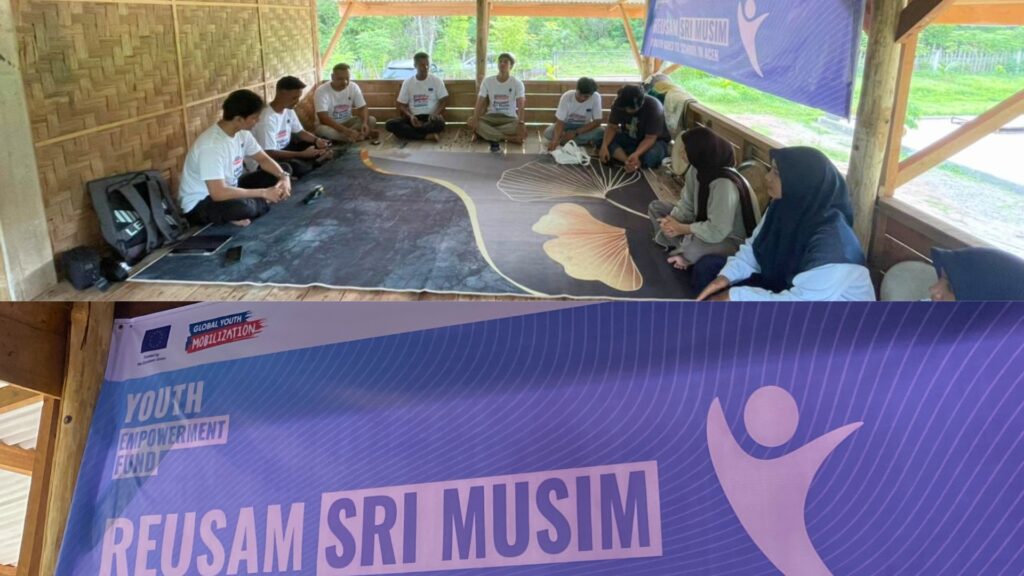
In Lampuuk Village, Aceh Besar, Reusam Sri Musim connected young people with the local knowledge system of Sri Musim through intergenerational dialogue, school-based learning, and community environmental action.
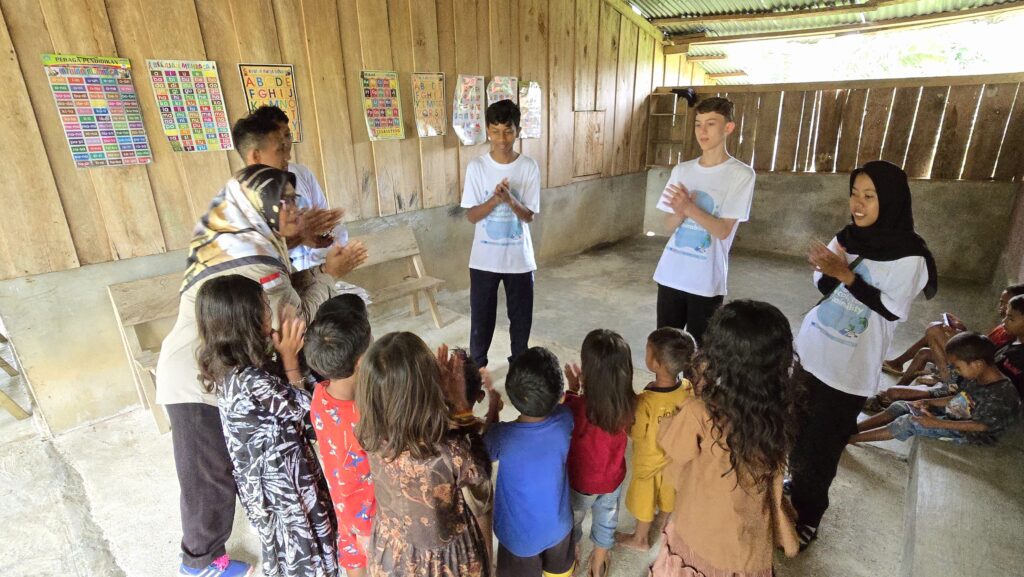
The program began with an intergenerational dialogue involving young people from Sekolah Adat Sri Musim, traditional elders, the Village Head of Lampuuk, and community members. The discussion explored the environmental values embedded in Sri Musim, a locally rooted knowledge system that has historically guided communities in understanding seasonal changes, managing natural resources, and maintaining relationships between people and their environment.
Rather than treating Indigenous knowledge as a cultural relic, participants explored its continued relevance to contemporary climate and environmental challenges. Stories and experiences shared by community elders demonstrated how local ecological knowledge can provide practical lessons for environmental stewardship, resilience, and collective responsibility.
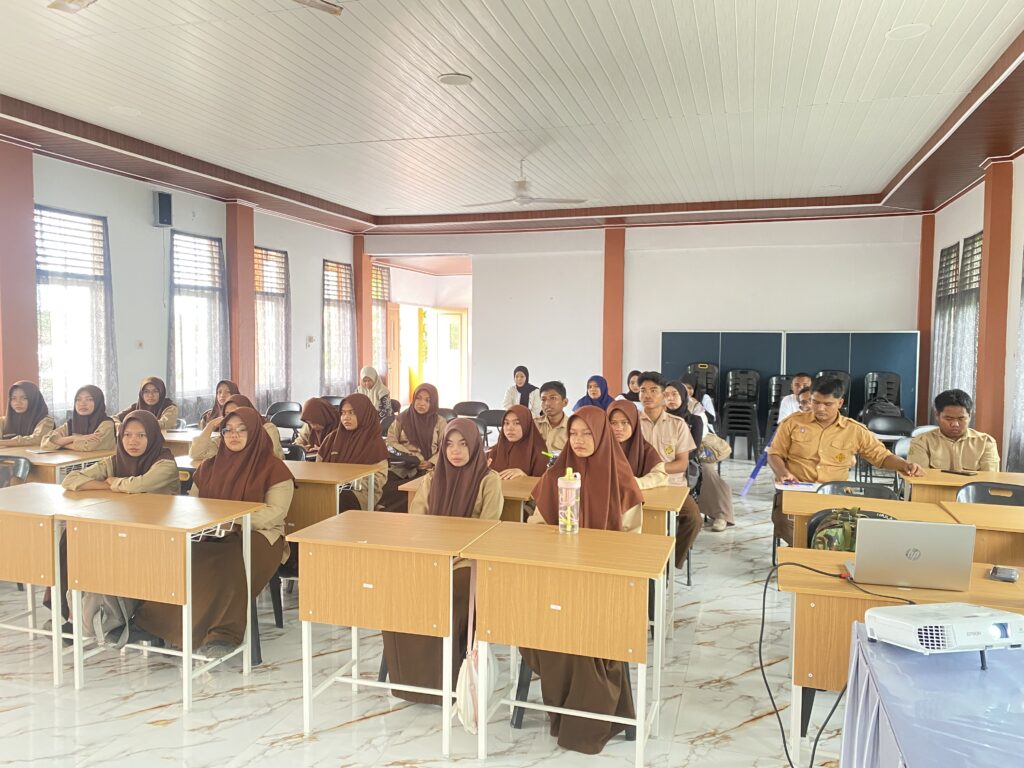
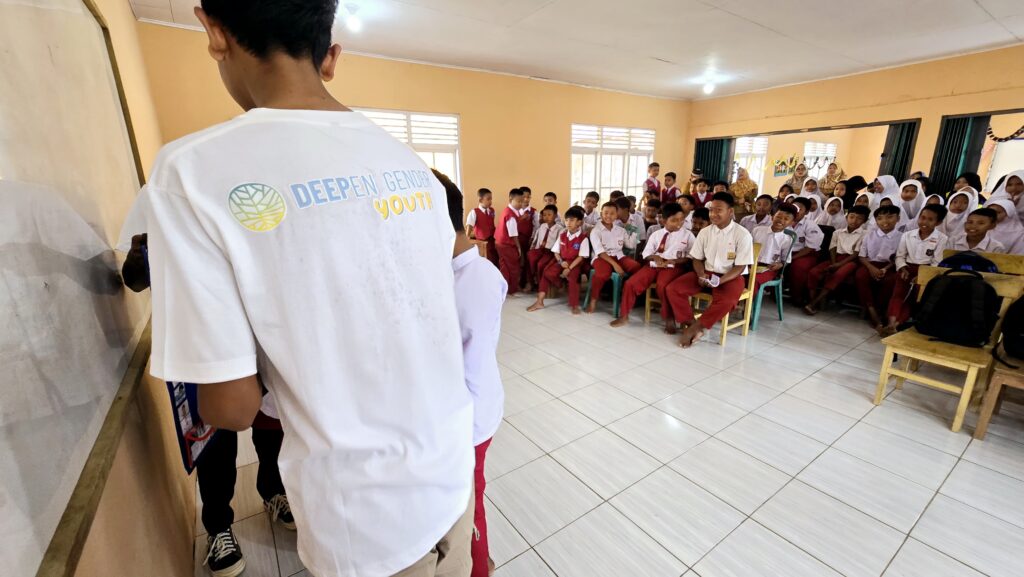
Building on this dialogue, the initiative expanded into school-based learning, where students participated in interactive sessions on climate change, environmental protection, disaster resilience, and the role of local knowledge in strengthening communities. Through discussion and collaborative activities, young people explored how Indigenous knowledge can complement contemporary environmental education and contribute to locally grounded climate solutions.
Learning then moved beyond the classroom into community-based environmental action. Students, teachers, volunteers, and community members joined a coastal clean-up activity, transforming environmental awareness into collective action. Working together, participants demonstrated that climate resilience is not only about understanding environmental challenges, but also about developing shared practices of stewardship and responsibility.
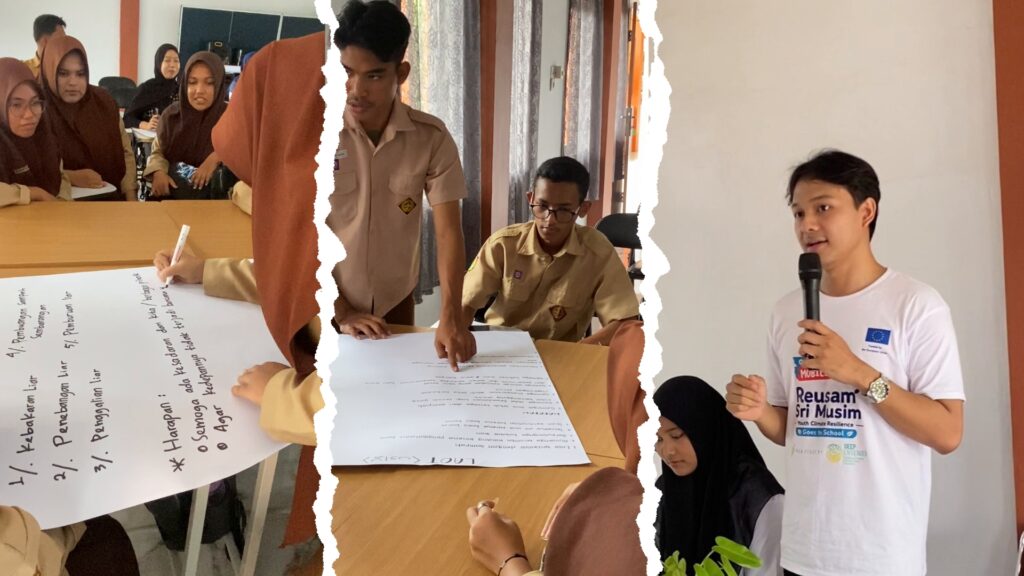
Through the integration of youth leadership, intergenerational learning, Indigenous knowledge, and community action, Reusam Sri Musim strengthens young people's connection with their cultural identity while equipping them to respond to contemporary climate and environmental challenges.
The experience demonstrates the potential of combining youth-led climate education, Indigenous knowledge, and community-based learning. By working through existing community structures and local spaces, the approach supports meaningful youth participation while strengthening community ownership and locally grounded climate action.
The success of Reusam Sri Musim highlights the importance of creating learning spaces where local knowledge and contemporary environmental challenges can inform one another. As climate risks continue to affect communities across Indonesia, empowering young people to recognize the value of their cultural heritage while taking meaningful environmental action offers a pathway toward more locally grounded, resilient, and sustainable futures.
DEEP EnGender extends its sincere appreciation to the students, facilitators, teachers, community leaders, traditional elders, and local partners whose commitment made this initiative possible. Special appreciation is also extended to the Youth Empowerment Fund, Global Youth Mobilization, and the European Union for supporting youth-led initiatives that empower young people and communities to take meaningful climate action.