Urban Inequality and Prostitution in West Java: Survival, Precarity, and the Political Economy of Development

Other publication / Published on BandungBergerak

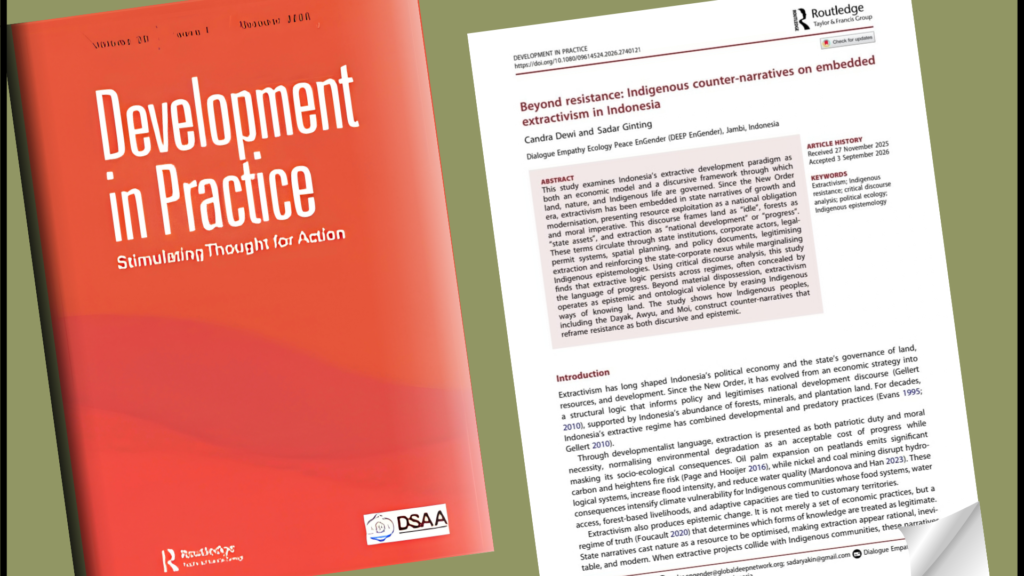
This article examines how prostitution in West Java must be understood within the broader context of urban inequality and uneven development. While urbanization is frequently promoted as a marker of economic progress, driven by industrial expansion, infrastructure, and investment, it has simultaneously produced new forms of marginalization. Women migrating from rural areas to cities such as Bekasi, Bandung, and Bogor often encounter exclusion from formal labor markets and limited livelihood opportunities. In this context, prostitution emerges not as an isolated moral issue, but as a survival strategy shaped by structural inequality, labor precarity, and gendered vulnerabilities.

Urban development in West Java has not eliminated poverty but redistributed it. Declining agrarian livelihoods and persistent gender inequality push women into migration, yet urban economies fail to absorb them into stable employment. As a result, poverty is reconfigured across space, concentrating opportunity in certain zones while displacing vulnerability into peri-urban areas. Within these conditions, prostitution becomes one of the limited options available to women with constrained social and economic capital. Framing it solely as a matter of morality or public order obscures its structural roots and the ways it is embedded within broader political and economic systems.

This condition is reinforced by gaps in governance. Limited labor protections and weak regulatory oversight expose women to exploitation, health risks, and trafficking. Empirical data supports the structural nature of this precarity. According to Statistics Indonesia (BPS), West Java has the highest number of commercial sex workers in the country, with 79 villages and subdistricts identified in 2024, and it also ranks among the provinces with the highest unemployment rates. These patterns reflect how urban growth, when not accompanied by inclusive policies, reproduces inequality rather than resolving it.

At the same time, prostitution is closely linked to the dynamics of capitalist development. As lower-income populations are displaced from productive spaces, they are relocated into more marginal environments where livelihoods are precarious. State interventions such as raids and evictions regulate visibility without addressing underlying causes. Drawing on Giorgio Agamben’s concept of homo sacer, sex workers can be understood as populations that are simultaneously included in and excluded from the social order, subject to control while remaining economically functional. Prostitution also forms part of the political economy of leisure. As argued by Truong Thanh-Dam, leisure under capitalism is organized and commodified, and sexual services become embedded within systems that sustain both consumption and the reproduction of labor.

In rapidly urbanizing areas such as Bekasi, Bogor, and Bandung, prostitution is often concealed within formal economic spaces, including massage and spa services. This spatial reorganization reduces visibility while leaving structural inequalities intact. Local governance, in this sense, does not eliminate marginality but manages and redistributes it, allowing economic growth to appear orderly while underlying vulnerabilities persist.

Addressing prostitution therefore requires moving beyond moral judgment toward a structural understanding of inequality. It should be approached as a consequence of socio-economic conditions rather than an individual failing. Expanding access to stable employment, strengthening labor protections, reducing stigma, and improving access to education, healthcare, and social protection are essential steps. Without such measures, urban development will continue to reproduce the very vulnerabilities it claims to overcome.

Read the full article on BandungBergerak

DEEP EnGender Author

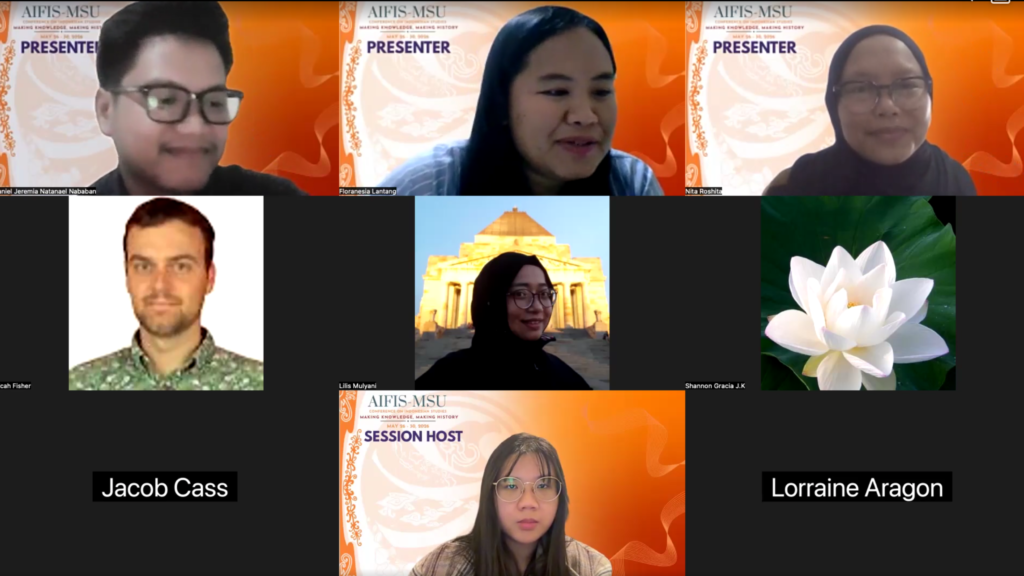
Daniel Jeremia Natanael Nababan

Mr. Daniel Jeremia Natanael Nababan is a social researcher focusing on environmental governance and climate policy, with particular attention to European Union–ASEAN relations. His academic work examines the political dimensions of climate governance, including the mechanisms of European Union climate hegemony toward ASEAN countries and the implementation of EU forest fire policies in the post-pandemic context. He holds a Bachelor of Social Sciences in Sociology from Universitas Negeri Jakarta and a Master of Science in European Studies from Universitas Indonesia.

Urban Inequality and Prostitution in West Java: Survival, Precarity, and the Political Economy of Development Read More »

When the Men Leave, Women Hold Up the Fields—But Structural Injustice Remains

Other publication / Published on Magdalene

This article explores the everyday realities faced by women farmers in Sirnabakti Village, Garut, West Java, where women increasingly sustain agricultural production while men migrate to cities for work. The daily routine of many women begins before dawn with household responsibilities such as cooking and childcare, followed by hours of labor in the rice fields. Even after returning home, domestic work continues, often accompanied by additional income-generating activities. In this setting, women’s labor moves constantly between the household and the fields, creating overlapping responsibilities that rarely pause.

Although women now make up a larger share of agricultural laborers in the village, this does not translate into improved welfare. Many women farmers are landless or own only very small plots, leaving them dependent on selling their labor to landowners. Wages remain unequal, with women typically paid significantly less than men for different agricultural tasks. Their work is often framed as supplementary income for the household, even though it frequently plays a crucial role in sustaining family livelihoods.

Beyond wage inequality, women also face structural barriers to technology and mobility. Cultural norms restrict women from using certain farming tools or operating machinery, which limits their participation in higher-paid or technologically assisted tasks. As a result, women remain concentrated in labor-intensive activities such as planting, harvesting, and weeding.

Despite these constraints, women in Sirnabakti demonstrate resilience and collective agency. Through community organizations and local networks, they share agricultural knowledge, manage household finances, and support each other in navigating economic pressures.

The article concludes that addressing these inequalities requires structural change, including equal wages, improved access to technology, and stronger recognition of women’s central role in agriculture. Without such reforms, the burdens carried by women farmers will continue to shape both rural livelihoods and the opportunities available to future generations.

Read the full article on Magdalene ↗

DEEP EnGender Author

Daniel Jeremia Natanael Nababan

Mr. Daniel Jeremia Natanael Nababan is a social researcher focusing on environmental governance and climate policy, with particular attention to European Union–ASEAN relations. His academic work examines the political dimensions of climate governance, including the mechanisms of European Union climate hegemony toward ASEAN countries and the implementation of EU forest fire policies in the post-pandemic context. He holds a Bachelor of Social Sciences in Sociology from Universitas Negeri Jakarta and a Master of Science in European Studies from Universitas Indonesia.

When the Men Leave, Women Hold Up the Fields—But Structural Injustice Remains Read More »

Why Gender Sensitivity Matters for Disaster Risk Reduction in Indonesia

Other publication / Published on Konde.co

This article examines why gender sensitivity is essential for effective disaster risk reduction in Indonesia. It argues that the country’s disaster responses, illustrated by the COVID-19 pandemic and the 2025 floods in Sumatra and Aceh, have largely been shaped by centralized, command-driven governance that prioritizes speed, control, and visible state authority. While these approaches aim to manage emergencies efficiently, they often overlook gender-responsive planning and the everyday realities faced by women during crises.


In many disaster contexts, women experience disproportionate impacts. During the pandemic and post-flood recovery, women carried heavier burdens of unpaid care work, faced heightened risks of gender-based violence, and encountered barriers in accessing aid and recovery programs. Emergency shelters and relief systems frequently lacked adequate attention to privacy, reproductive health services, childcare, and safety, issues that directly affect women’s wellbeing. At the same time, the article highlights that women are not simply vulnerable victims. Across Indonesia, women have demonstrated strong grassroots leadership in disaster response. They organize community kitchens, coordinate local relief networks, care for children and elderly residents, and help maintain social cohesion during crises. Indigenous women also contribute important ecological knowledge that supports long-term environmental stewardship and community resilience.


Despite these contributions, women’s roles remain underrecognized in formal disaster governance. The article therefore calls for stronger integration of gender perspectives in emergency policies, including gender-disaggregated data, women’s participation in decision-making, and the recognition of Indigenous women’s knowledge in environmental and climate policies. Strengthening gender-sensitive governance, the article concludes, is not only a matter of equity but also a practical step toward building more resilient and sustainable disaster responses in Indonesia.rticle explores why gender sensitivity is crucial for disaster risk reduction in Indonesia.


The piece highlights how disaster governance in Indonesia often relies on centralized and militaristic approaches that overlook gender perspectives. As a result, women’s specific vulnerabilities and contributions in crisis response remain underrecognized. The article emphasizes that women are not only among the most affected during disasters, but also play critical roles in community resilience organizing mutual aid, managing shelters, supporting livelihoods, and sustaining local knowledge. Strengthening gender-responsive disaster governance is therefore essential to build more just and resilient communities.

Read the full article on Konde.co

DEEP EnGender Author

Daniel Jeremia Natanael Nababan

Mr. Daniel Jeremia Natanael Nababan is a social researcher focusing on environmental governance and climate policy, with particular attention to European Union–ASEAN relations. His academic work examines the political dimensions of climate governance, including the mechanisms of European Union climate hegemony toward ASEAN countries and the implementation of EU forest fire policies in the post-pandemic context. He holds a Bachelor of Social Sciences in Sociology from Universitas Negeri Jakarta and a Master of Science in European Studies from Universitas Indonesia.

Why Gender Sensitivity Matters for Disaster Risk Reduction in Indonesia Read More »
World Bank carbon program risks further infringing upon rights of Indonesian Indigenous community (commentary)

This commentary examines how the World Bank’s carbon emissions reduction program in East Kalimantan risks further undermining the rights and sovereignty of the Dayak Bahau Indigenous community of Long Isun. While land disputes over customary territory remain unresolved, the program has moved forward by relying on state administrative maps that erase Indigenous governance, ancestral boundaries, and lived relationships with the forest.

Drawing on the community’s formal grievance submitted in November 2025, the article argues that climate finance mechanisms are not politically neutral. When Free, Prior and Informed Consent (FPIC) is treated as a technical checklist rather than a process grounded in recognition and equality, carbon projects can reinforce the very power structures that enabled dispossession in the first place. In this case, Indigenous communities are counted in carbon calculations, yet rendered invisible in benefit-sharing and decision-making frameworks.

The Long Isun case highlights a broader warning for global climate policy: climate solutions built on unresolved injustice cannot be legitimate. The authors call for a fundamental shift in approach, one that resolves customary land conflicts before launching carbon projects, recognizes Indigenous authority over forest governance, and understands sustainability as inseparable from justice, dignity, and Indigenous sovereignty.

Read the full article on Mongabay

DEEP EnGender Author

Fuat Edi Kurniawan / fuat.engender@globaldeepnetwork.org

Mr. Fuat Edi Kurniawan is an interdisciplinary researcher specializing in environmental governance, climate resilience, and social development. His research and practice span peatland and mangrove revitalization, Indigenous forest conservation, political ecology, and the green economy, while also advancing community resilience through refugee livelihoods, women’s digital empowerment, and social protection. He earned both his Bachelor’s and Master’s degrees in Sociology from Gadjah Mada University.

DEEP EnGender Co-authors

Sadar Ginting / sadar.engender@globaldeepnetwork.org

Anna Christi Suwardi / anna.engender@globaldeepnetwork.org

World Bank carbon program risks further infringing upon rights of Indonesian Indigenous community (commentary) Read More »

Environmental Justice: Rethinking Knowledge, Power, and Inequality in the Context of Climate Change and Agrarian Transitions in Southeast Asia

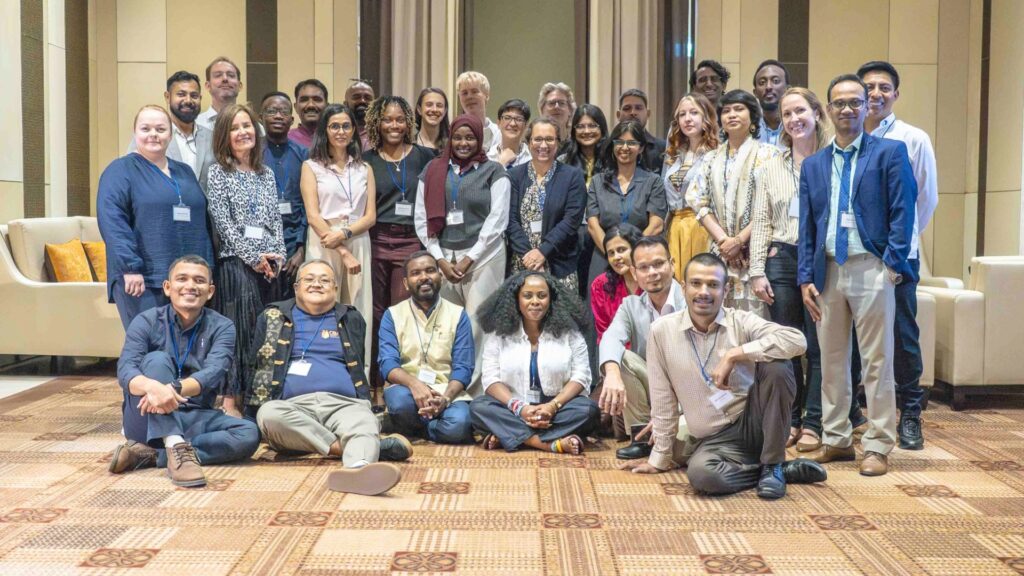
DEEP EnGender took part in the Environmental Justice Workshop titled “Environmental Justice: Rethinking Knowledge, Power, and Inequality in the Context of Climate Change and Agrarian Transitions in Southeast Asia” (24–29 January 2026), hosted by The Regional Center for Social Science and Sustainable Development (RCSD), Faculty of Social Sciences, Chiang Mai University.

The workshop brought together researchers and practitioners working across academic research, public communication, and alternative forms of knowledge production in Southeast Asia. From the outset, environmental justice was framed not as a technical issue, but as a deeply political and structural process shaped by unequal power relations, extractivist development, and epistemic hierarchies. This orientation closely resonates with DEEP EnGender’s approach to environmental justice as a lived, gendered, and historically situated experience.

Across lectures, discussions, and field-based learning, environmental justice was explored as a relational practice that raises critical questions about whose knowledge is recognized, whose realities are legitimized, and whose lives are rendered expendable in the name of development. Sessions on epistemic agency, ontological conflict, and the political ecologies of land and water highlighted how injustice emerges not only through material dispossession, but also through the systematic marginalization of Indigenous and local ways of knowing and relating to the environment.

A field visit to Mae Ngud village offered a grounded encounter with environmental justice as lived experience. Listening to Karen community members reflect on the impacts of dams, water diversion projects, and agrarian transitions illustrated how development interventions reshape livelihoods as well as moral relationships with land and water. The use of People’s Environmental Impact Assessment (PEIA) demonstrated how communities actively produce their own knowledge to challenge state and corporate narratives. This approach aligns strongly with DEEP EnGender’s commitment to community-led knowledge practices.

Within this collective learning space, Herlina Dedy Listiani (Researcher, DEEP EnGender) contributed reflections from DEEP EnGender’s engagements in Indonesia and from her ongoing research on myth and extractivism. She shared how narratives often categorized as “myth” or “belief” can operate as ethical and political frameworks through which communities understand ecological change, responsibility, and care, while also asserting alternative environmental futures beyond dominant development logics.

Insights from this workshop will contribute to DEEP EnGender’s ongoing research, internal learning processes, and public-facing knowledge production. This participation strengthens our commitment to environmental justice work that is culturally grounded, gender-sensitive, and attentive to Southeast Asia’s epistemic diversity.

Environmental Justice: Rethinking Knowledge, Power, and Inequality in the Context of Climate Change and Agrarian Transitions in Southeast Asia Read More »
YILA Academy Special Batch 2026 with Rotary International and the Otto & Fran Walter Rotary Peace Center at Bahçeşehir University

The Youth-Inclusive Learning Academy (YILA Academy) is a regional initiative dedicated to strengthening inclusive education, ecological literacy, and peacebuilding among youth in Southeast Asia. Conceptualized under DEEP EnGender in 2025, YILA Academy provides a co-learning space for young people aged 16–25, particularly those from marginalized and underrepresented communities, to co-generate knowledge, share lived experiences, and develop community-based responses to social, ecological, and peace-related challenges.

Building on this foundation, the YILA Academy Special Batch 2026 is implemented as part of the Rotary Peace Fellowship Social Change Initiative (SCI), with support from Rotary International and the Otto & Fran Walter Rotary Peace Center at Bahçeşehir University. Through this collaboration, YILA Academy aligns its youth-led learning model with the Positive Peace Framework and Rotary’s global peacebuilding agenda.

Why This Programme Matters

Across Southeast Asia, young people continue to face overlapping structural challenges, including limited access to quality education, restricted civic participation, economic precarity, and the uneven impacts of climate change. These conditions are further intensified in conflict and post-conflict contexts, where social trust is fragile and opportunities for intercultural dialogue remain limited.

YILA Academy responds to these realities by reframing education as a relational and peace-oriented process. Rather than treating learning as purely technical or outcome-driven, the programme emphasizes empathy, communication, ethical reflection, and dialogue as foundational capacities for sustaining peace and social cohesion. Youth are positioned not as passive beneficiaries, but as active partners in shaping knowledge, narratives, and collective action.

Programme Overview and Structure

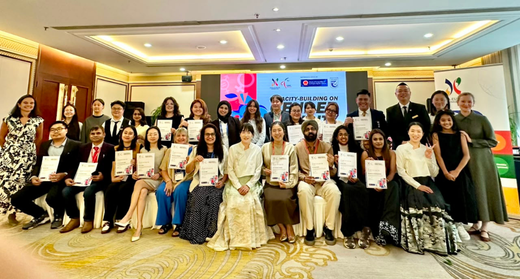
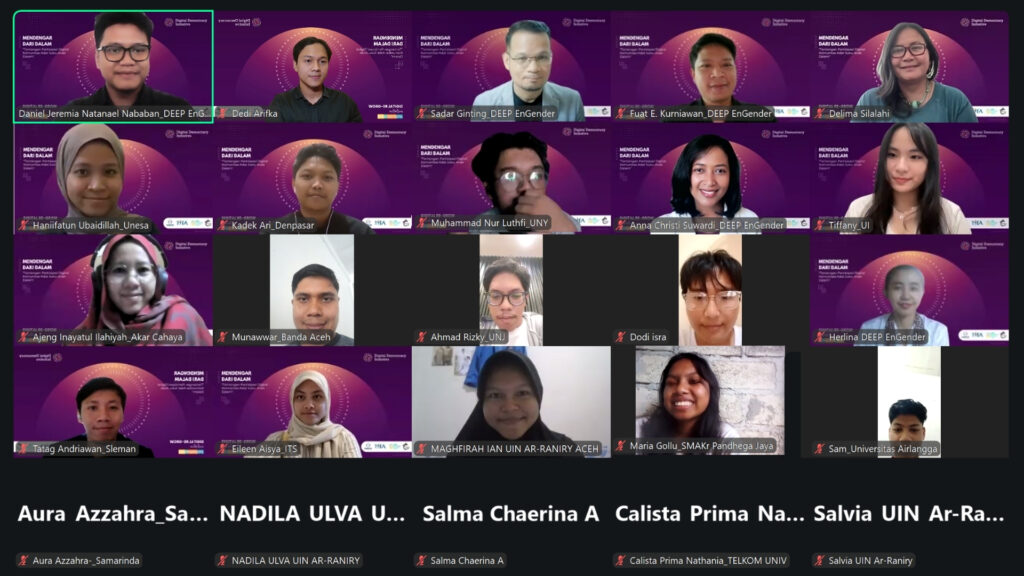
The YILA Academy Special Batch 2026 brings together 30 youth participants aged 16–25 from Southeast Asia and officially began on 17 January 2026. The programme consists of 10 structured online sessions, designed as an integrated learning journey combining dialogue, practice, and reflection.

A significant portion of the programme is dedicated to storytelling, which receives the largest share of learning time across the ten sessions. Storytelling is treated not merely as a communication technique, but as a peacebuilding practice that supports empathy, voice, ethical awareness, and intercultural understanding. Through story listening and story sharing, participants learn to articulate lived experiences, recognize difference without hierarchy, and build trust across social and national boundaries.

The opening remarks were delivered by Prof. Nilüfer Narlı, Chair of the Department of Sociology and Director of the Center for Society, Health, Behaviour and Preventive Studies at the Otto and Fran Walter Rotary Peace Center, Bahçeşehir University (Istanbul, Türkiye).

Mentors and Learning Facilitation

The Special Batch features guest mentor sessions that strengthen participants’ practical communication and leadership capacities. Kendall Sooter, a tenured professor of Communication Studies and Environmental Science and Engineering at Cabrillo College (California, USA), leads a dedicated session on the art of storytelling, focusing on narrative clarity, ethical voice, and public meaning-making.

Simran Rawat, Global Environments Networks (GEN) Programmes Lead and Communications Liaison at Global Diversity Foundation, facilitates a session on public speaking, supporting participants to communicate confidently, responsibly, and persuasively in public and civic spaces.

Most sessions are led by Anna Christi Suwardi, PhD, FHEA, YILA Academy mentor and Rotary Peace Fellow, ensuring continuity, reflective facilitation, and a safe learning environment grounded in inclusive and dialogical pedagogy.

Learning Focus and Expected Outcomes

Across its ten sessions, YILA Academy Special Batch supports participants in developing capacities that extend beyond the programme itself. These include:

  • empathic communication and nonviolent engagement
  • storytelling and story listening as tools for peace and social understanding
  • intercultural dialogue across diverse identities and contexts
  • ecological awareness connected to lived experience and responsibility
  • youth-led initiative design that translates learning into community action

The emphasis on storytelling throughout the programme enables participants to connect personal narratives with broader social and ecological realities, strengthening both individual confidence and collective awareness.

Connection to Positive Peace and the SDGs

As a Social Change Initiative within the Rotary Peace Fellowship framework, the Special Batch contributes directly to SDG 4 (Quality Education) by advancing inclusive, participatory, and values-based learning. It supports SDG 13 (Climate Action) by fostering ecological literacy and narrative-based engagement with climate realities. It also advances SDG 16 (Peace, Justice, and Strong Institutions) by strengthening youth participation, intercultural trust, and everyday peace practices.

The programme reflects the Positive Peace approach developed by the Institute for Economics and Peace, particularly in its focus on human capital development, acceptance of others’ rights, and constructive relationships across communities.

Looking Ahead

YILA Academy Special Batch 2026 represents an important step in expanding youth-led peace education that is grounded, relational, and action-oriented. Through its ten-session structure, strong emphasis on storytelling, and regional diversity of participants, the programme strengthens a growing network of young people committed to inclusive education, ecological responsibility, and positive peace in Southeast Asia.

Beyond the cohort, YILA Academy continues to build sustainability through alumni networks, shared learning resources, and community-based replication of dialogue and storytelling practices. In this way, YILA Academy is not only a programme, but an evolving platform for youth to practice peace through empathy, communication, and collective action.

YILA Academy Special Batch 2026 with Rotary International and the Otto & Fran Walter Rotary Peace Center at Bahçeşehir University Read More »

Strengthening Inclusive Leadership through Collaboration with Nahdlatul Ulama Youth

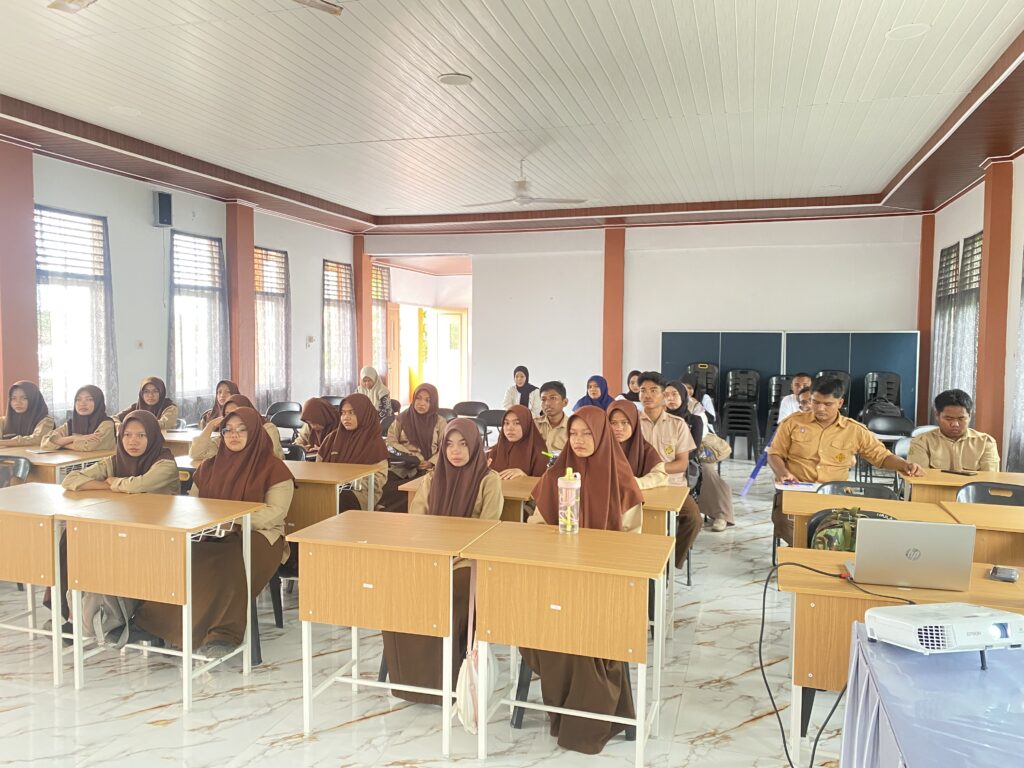
One of our researchers facilitated the “Gender III” session at the Latihan Kader Utama (LAKUT) of IPNU–IPPNU Pemalang, the youth wing of Nahdlatul Ulama (NU), the world’s largest Islamic organization.


Held on 28 November 2025, the workshop brought together 30 young Islamic leaders from five regencies in Central Java. Under the theme Sangkan Paraning Dumadi (The Origin and Purpose of Existence), participants explored gender, inclusive leadership, and justice within Islamic and cultural frameworks.


Representing DEEP EnGender, Herlina Dedy Listiani facilitated critical discussions, participatory activities, and reflections on gender stereotypes, empathy, colonial legacies, and leadership roles.
This collaboration reinforces our belief that gender justice is not only a global agenda but a local necessity, rooted in everyday community realities.


Together with NU youth leaders and diverse facilitators, we affirm that inclusive leadership grows through collective effort across faiths, cultures, and generations.

Strengthening Inclusive Leadership through Collaboration with Nahdlatul Ulama Youth Read More »

DEEP EnGender Initiator at the 2025 Rotary Peace, Turkiye

Our DEEP Asia Coordinator & DEEP EnGender Circle initiator, Dr. Anna Christi Suwardi, completed her residency at Bahçeşehir University (BAU) in Istanbul, Turkey, from September to November 2025, as part of the Professional Development Certificate Program. The Rotary Center at BAU is a newly established center that primarily serves the MENA region.

Wa

Although She is based in Southeast Asia, her eagerness to expand her knowledge and skill in peace and conflict resolution has led to her selection to learn from the best practices in MENA. As a component of the fellowship, she will engage in roughly a year-long pre- and post-residency program.

Wb

This will commence with a two-week preliminary online course, followed by a ten-week on-site and field study experience. Upon her return from Istanbul, she will focus on her nine-month social change initiative project, concentrating on promoting peace in Thailand and Indonesia. Dr. Anna will collaborate with her DEEP EnGender team to implement her initiative. The program will conclude in an on-site capstone seminar back in Istanbul the following year. After completing her RPF, she is dedicated to continuing her efforts to foster peace for communities.

Wc.

DEEP EnGender Initiator at the 2025 Rotary Peace, Turkiye Read More »

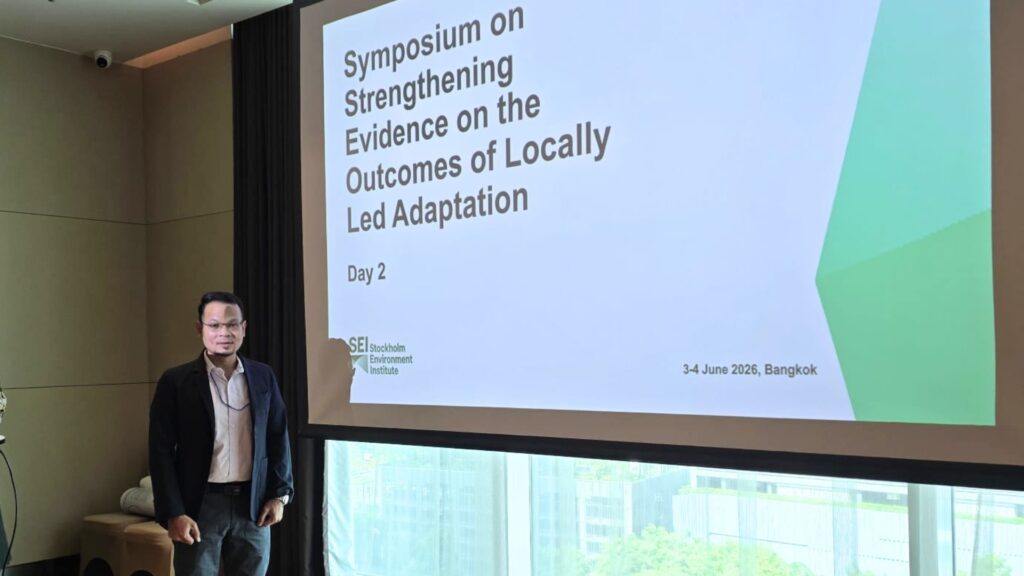
DEEP EnGender at the 9th Asia-Pacific Climate Change Adaptation Forum

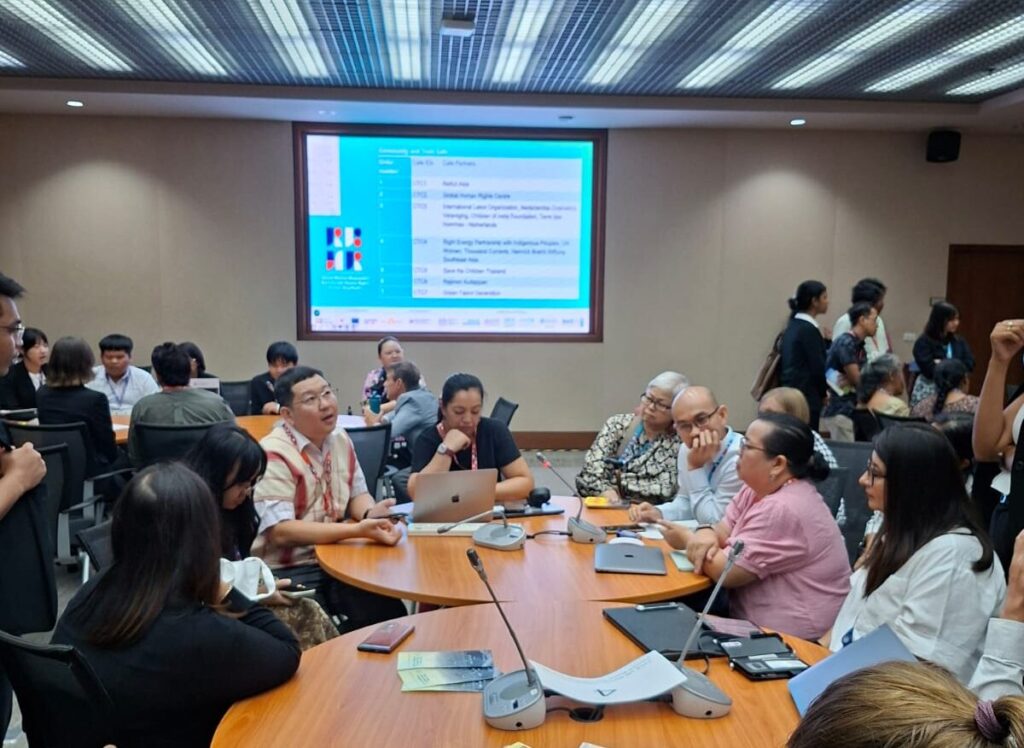
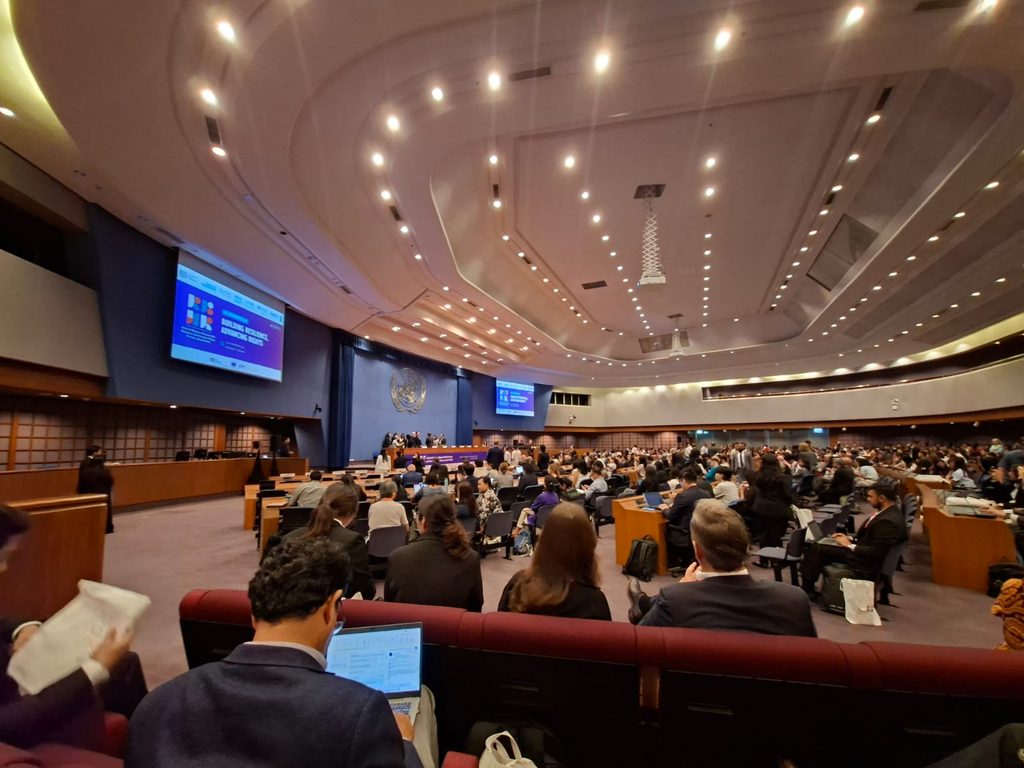
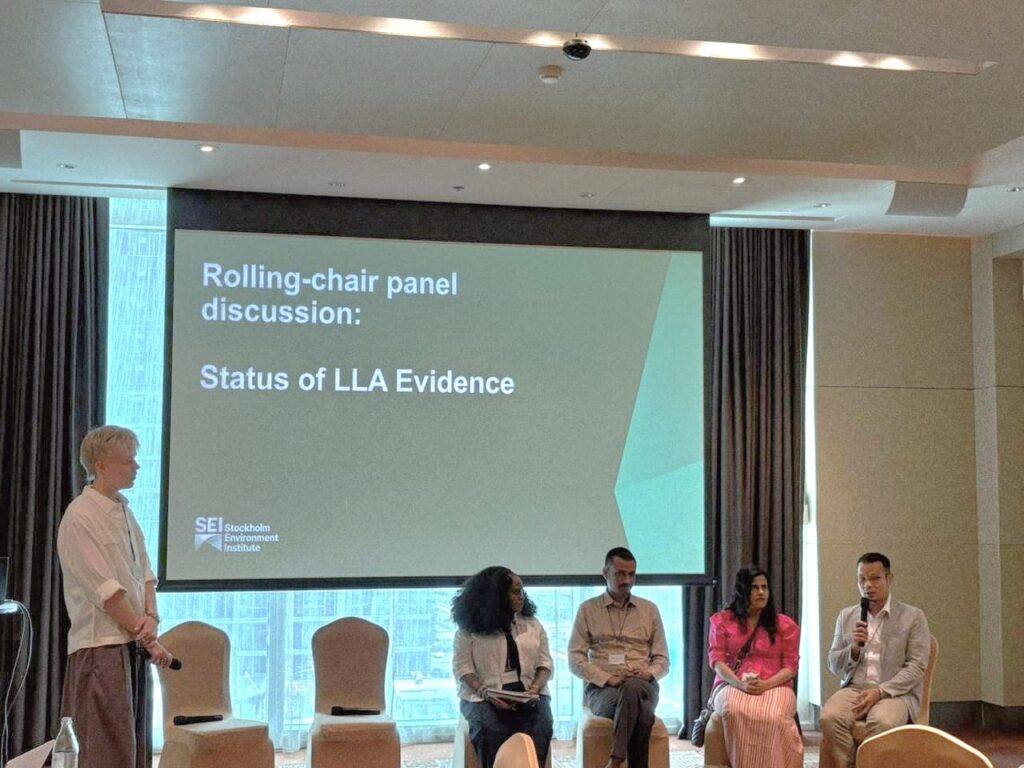
DEEP EnGender participated in the 9th Asia-Pacific Climate Change Adaptation Forum, held from 29 September to 3 October at the United Nations Conference Centre, Bangkok, under the theme “Resilience for All: Catalyzing Transformational Adaptation.”

Wa.


The forum provided a valuable space for exchange, particularly during the regional discussion on Developing a Blueprint for Upscaling Locally Led Adaptation (LLA) Built on Indigenous, Traditional, and Local Knowledge Systems, where diverse experiences and grounded lessons from across the region were shared.

Wa..


At the same time, a critical gap emerged. Many discussions emphasized tools, frameworks, and project implementation, yet paid limited attention to the root causes of vulnerability, including extractive development models, entrenched power asymmetries, and the ongoing erosion of Indigenous land rights.

Whaa


In this context, adaptation must move beyond technical and managerial solutions. Strengthening Indigenous rights to traditional territories, securing land tenure, and recognizing Indigenous governance systems are fundamental to just and lasting adaptation. These elements are also central to safeguarding Indigenous food systems, which are inseparable from ancestral lands, ecological knowledge, and cultural identity.
Looking ahead, climate adaptation must be repoliticized, centering Indigenous territorial rights, food sovereignty, and structural transformation, rather than relying solely on technical fixes.

Waa

DEEP EnGender at the 9th Asia-Pacific Climate Change Adaptation Forum Read More »

16: Climate policy, justice, and electoral promises: comparative perspectives from Asia

By exposing the gaps between political rhetoric and implementation, the chapter underscores how electoral pledges can shape national climate policies yet often lack accountability mechanisms. The comparative findings reveal both opportunities and challenges in embedding climate justice into political discourse, pointing to the urgent need for robust policy frameworks that translate campaign commitments into tangible action. These insights hold valuable lessons not only for the three countries studied but also for strengthening regional cooperation across Asia.

At DEEP EnGender, we view this publication as an important step in advancing dialogue on integrating justice and equity into climate and policy processes. We extend our gratitude for the opportunity to contribute to this significant volume and celebrate the collaborative efforts that made this work possible

Download the report ⤴

Citation:

Chaiyapa, T., Supajakwattana, W., Suwardi, A. C., & Khan, H. H. (2025). Climate policy, justice, and electoral promises: comparative perspectives from Asia. In Handbook of Public Policy in Asia (pp. 246-272). Edward Elgar Publishing. DOI: https://doi.org/10.4337/9781035319602.00026

DEEP EnGender Co-author

Dr. Anna Christi Suwardi / anna.engender@globaldeepnetwork.org

Dr. Suwardi has expertise in peace, conflict resolution, women, and multicultural studies, mainly in Southeast Asia. She holds a Bachelor's degree in International Relations from Muhammadiyah University of Yogyakarta, a Master’s degree in International Relations from Gadjah Mada University, a PhD in ASEAN studies from Naresuan University, and a Post-Diploma Certificate in Peace and Development under the Rotary Peace Fellowship at Bahcesehir University.

16: Climate policy, justice, and electoral promises: comparative perspectives from Asia Read More »
Scroll to Top