The engagement of DEEP EnGender in supporting the Women, Peace and Security (WPS) agenda in Aceh is rooted long before DEEP EnGender's formal establishment. In the years following the conflict, questions of women's experiences, participation, recognition, and place in the peace process were already central to ongoing efforts across Aceh's communities. Women had lived through the conflict, contributed to their communities' survival, and continued to navigate the realities of life after the peace agreement. Yet, their experiences and perspectives often remained at the margins of public narratives about peace.
For Anna, DEEP EnGender's Founder and Chairperson, these concerns had been part of her work long before the organisation came into being. Through her engagements with conflict-affected communities, particularly women and the Inong Bale, she witnessed how the meaning and promises of peace were experienced differently in people's everyday lives. Her encounters, conversations, and work with women across Aceh shaped an enduring commitment to making their experiences visible, recognising their agency, and strengthening their place in peacebuilding.
These early experiences became part of the foundation of DEEP EnGender. The organisation's commitment to gender, peace, and justice grew from this history of engagement with communities and from the understanding that lasting peace must take women's experiences, knowledge, and participation seriously. Looking back at these moments is a way of tracing the roots of that commitment and remembering the people, relationships, and struggles that continue to give it meaning.
1. Remembering the Women Behind Aceh's History
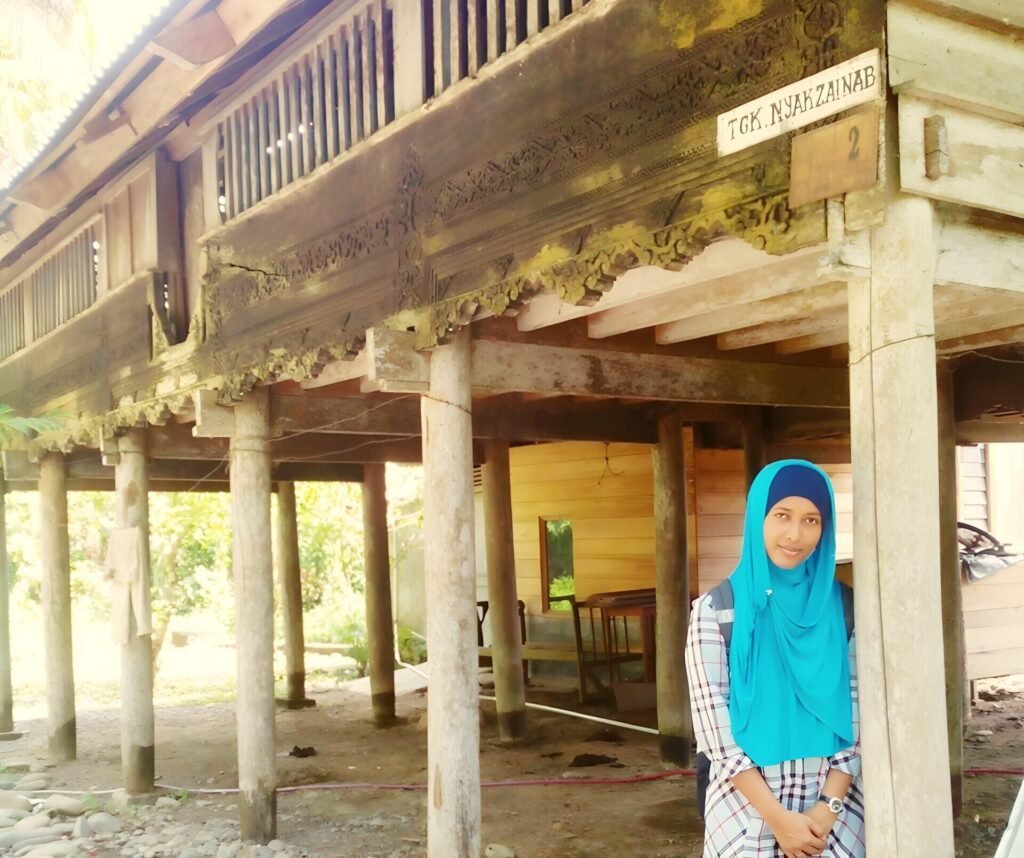
During a fieldwork visit to Aceh in 2013–2015, Anna visited the home of the late Tengku Nyak Zainab. The encounter offered a moment to reflect on the long history of women's contributions to Aceh, including their roles in resistance, community life, and the struggle to sustain their communities through periods of conflict. Remembering women such as those who came before us is also a reminder that women's participation in Aceh's history has always extended far beyond the stories most often told.
2. Making Space for Women's Stories in Bireuen
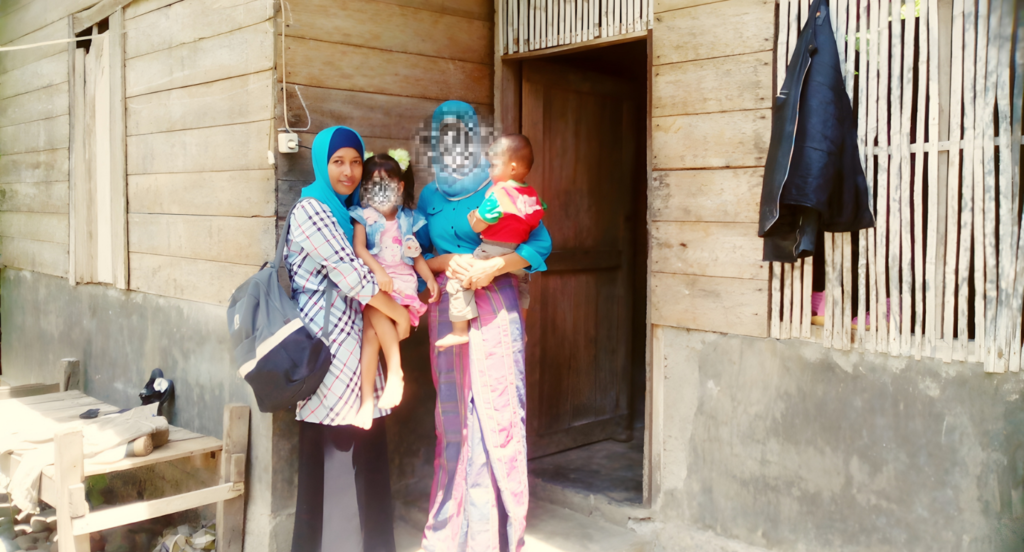
In a gampong (village) in Bireuen, Anna met a woman from the Inong Baale community. Her presence and willingness to listen helped create a sense of trust in which the woman felt able to share a deeply painful experience of sexual assault during the conflict. The encounter reflected how personal stories of violence and survival often remain unspoken, even as women continue to carry these experiences in their everyday lives. For Anna, listening to women and recognising their authority over their own stories became an important part of her work on peace and gender justice.
3. The Distance Between Celebrating Peace and Experiencing It
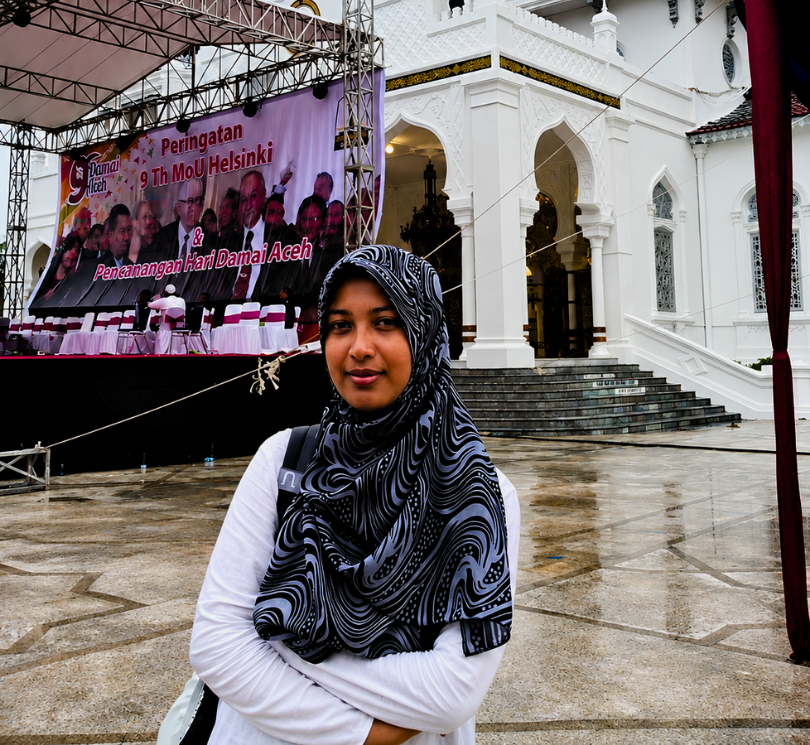
Anna attended the commemoration of the Helsinki Memorandum of Understanding (MoU) in Banda Aceh. While the occasion was marked by elaborate celebrations, she could not ignore the distance between the public celebration of peace and the everyday realities of women in the villages. In her encounters with Inong Baale women, Anna found that some were still unfamiliar with what the MoU meant for their lives and what benefits the peace agreement was supposed to bring. This raised an important question: whose peace was being celebrated, and how far had its promises reached the women who had lived through the conflict?
4. When Women's Experiences Remain at the Margins of Public Narratives
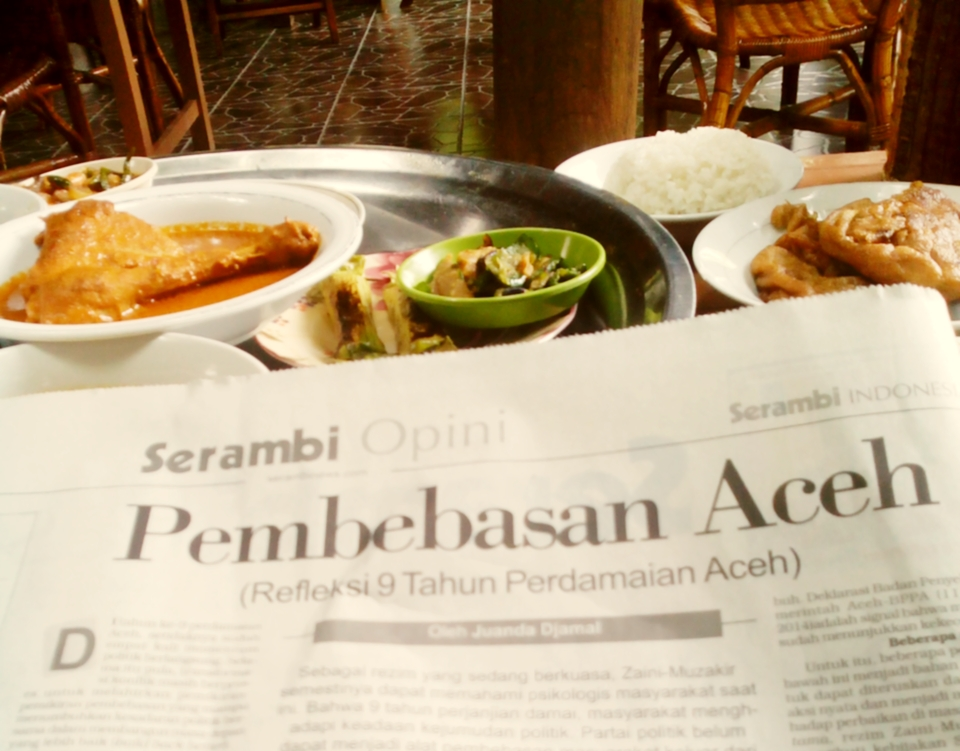
Aceh's peace process was frequently discussed and documented in newspapers and public forums. Yet, the everyday experiences of women affected by the conflict often received far less attention. Their memories, struggles, and perspectives rarely occupied the same space as official accounts of peace and political reconciliation. This photograph recalls the contrast between how peace was represented in public discourse and how it was experienced by women in their communities.
5. Connecting Peacebuilding Experiences Across Regions
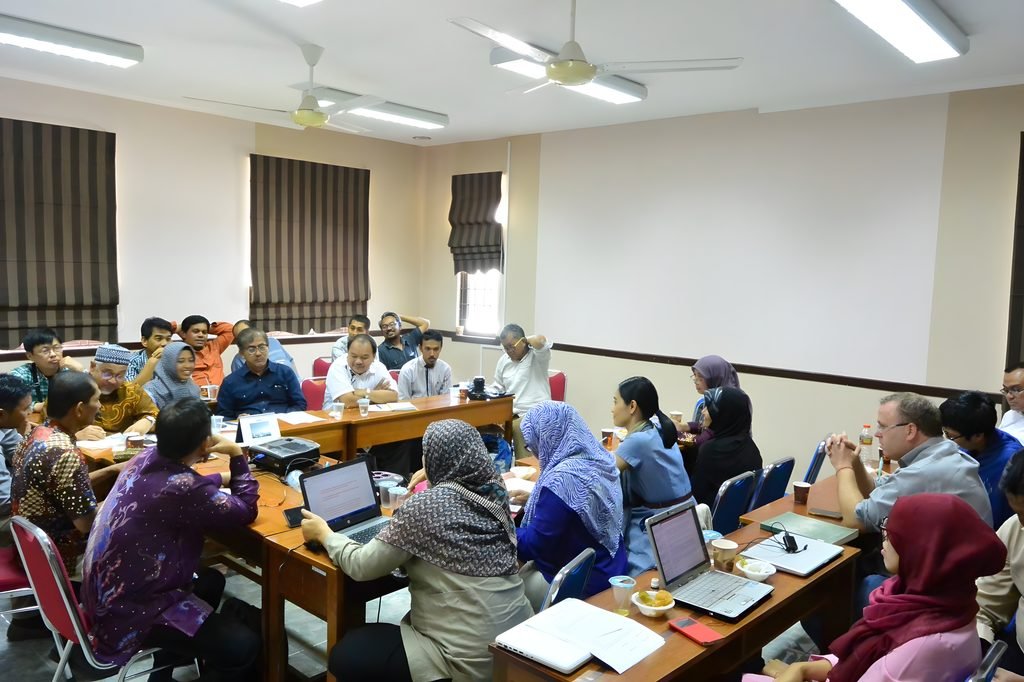
Later in 2017, Anna facilitated a knowledge exchange at the International Centre for Aceh and Indian Ocean Studies (ICAIOS), bringing together civil society organisations from Southern Thailand visiting Aceh. The exchange created an opportunity to share experiences and perspectives on peacebuilding, conflict, and post-conflict realities across the two regions. It also reflected the importance of connecting grassroots and civil society experiences across contexts, allowing lessons from Aceh's peace process to inform wider conversations on peace and women's participation.