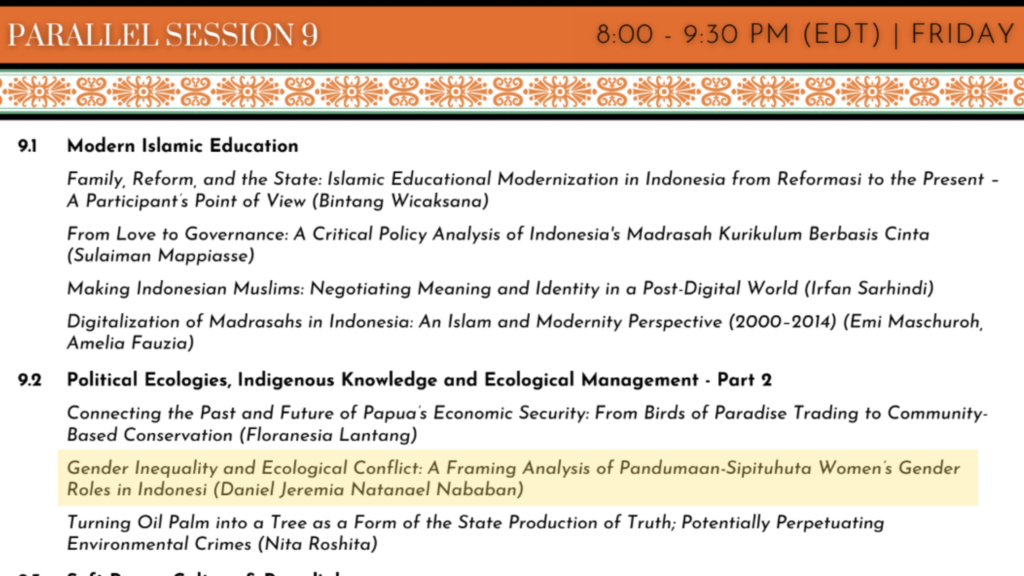
DEEP EnGender at the 15th International Conference on Public Organization (ICONPO) 2026

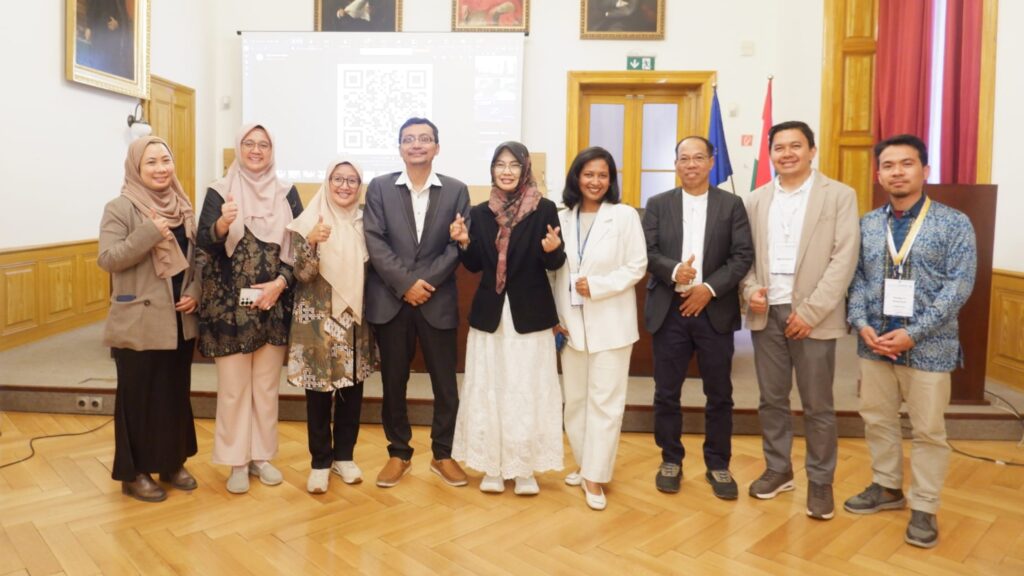
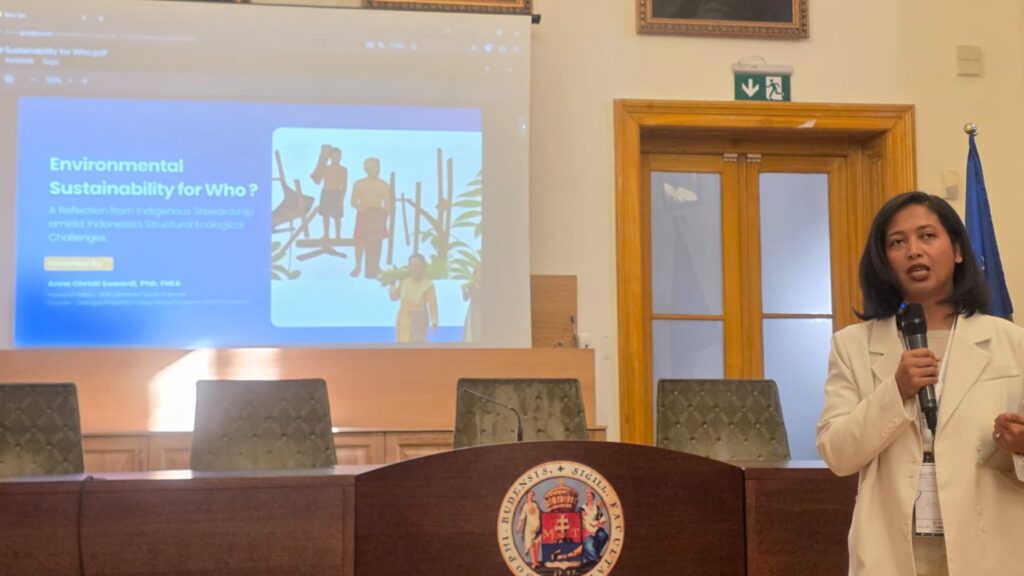
On May 28, 2026, our Founder and Chairperson, Dr. Anna Christi Suwardi, represented DEEP EnGender at the 15th International Conference on Public Organization (ICONPO 2026), held at Eötvös Loránd University (ELTE) in Budapest, Hungary. The conference brought together scholars, researchers, and practitioners from diverse backgrounds to exchange perspectives on technology, green energy, and environmental sustainability.

During the conference, Dr. Suwardi presented her paper titled “Environmental Sustainability for Whom?” Drawing from Indonesia’s ecological realities, the presentation challenged technocratic approaches to environmental governance and emphasized that ecological restoration is not only about ecosystems, but also about repairing relationships between people, land, knowledge, and governance.

The presentation explored Indigenous stewardship and community-based knowledge as important foundations for addressing Indonesia’s structural ecological challenges. It highlighted how sustainability is deeply connected to questions of justice, recognition, care, and the lived experiences of communities who continue to protect and sustain their environments.

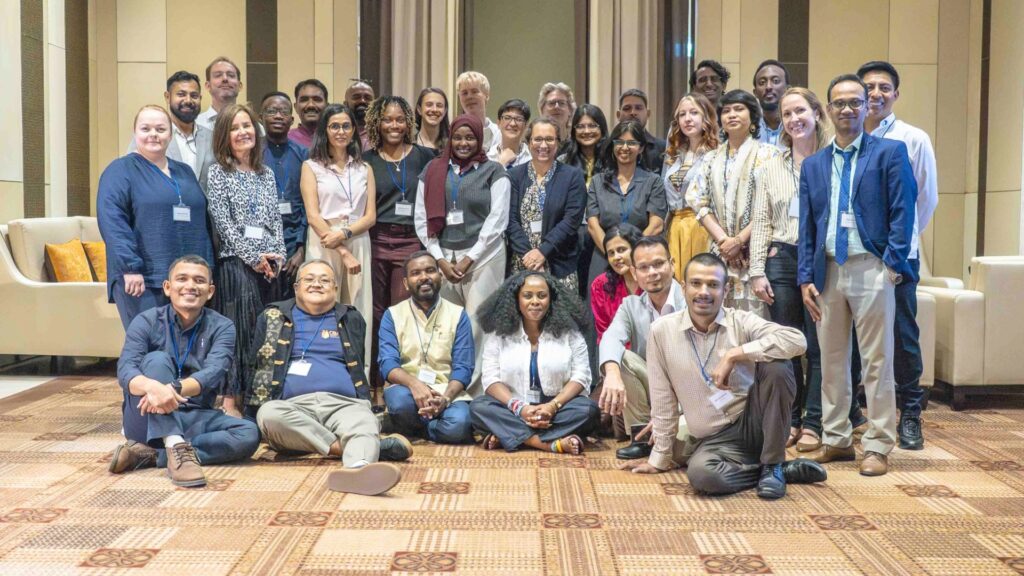
The conference brought together more than 70 international presenters from diverse disciplinary backgrounds, creating opportunities for meaningful exchange on environmental governance, sustainability, and social transformation. Through discussions with fellow participants, Dr. Suwardi reflected on the importance of placing local knowledge and community voices at the center of environmental solutions.

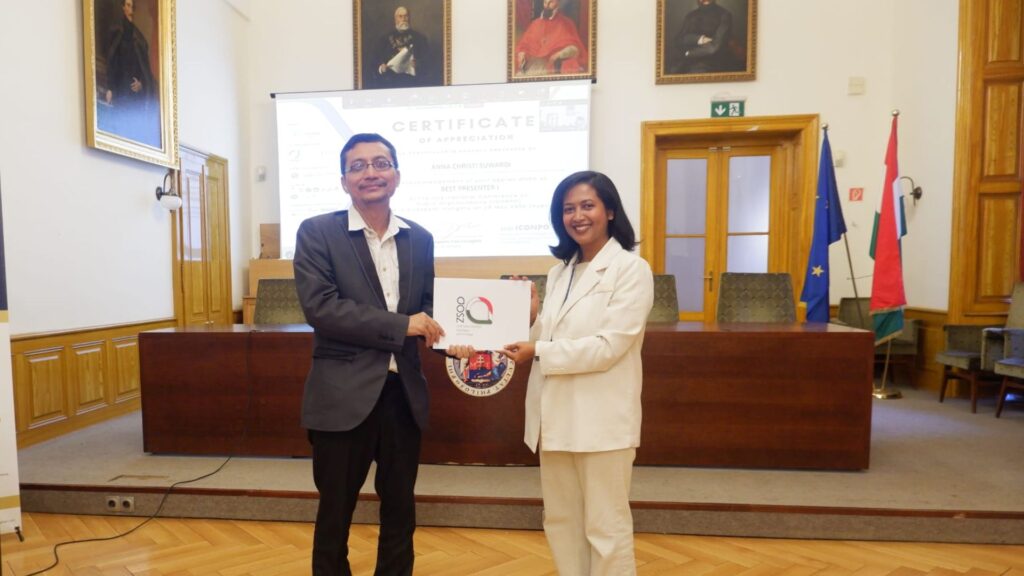
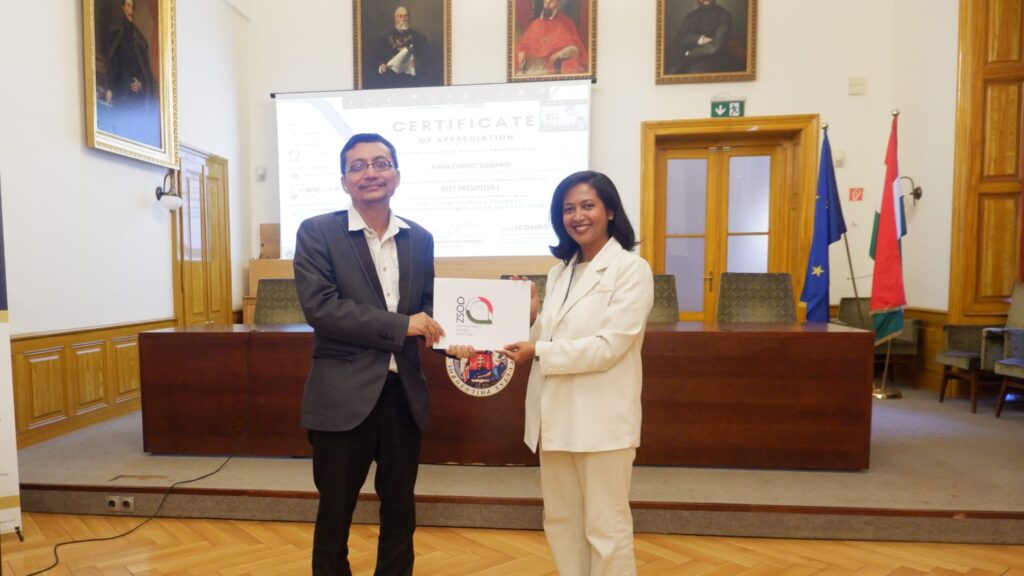
We are proud to share that Dr. Anna Christi Suwardi was awarded Best Presenter at ICONPO 2026, recognizing the significance and impact of her presentation among an international audience.

Participation in ICONPO 2026 strengthens DEEP EnGender’s commitment to advancing research and dialogue on ecological justice, Indigenous perspectives, and community-based knowledge systems. We believe that meaningful environmental futures can only be built when sustainability is approached not merely as a technical challenge, but as a collective responsibility grounded in justice, relationships, and care.

DEEP EnGender at the 15th International Conference on Public Organization (ICONPO) 2026 Read More »

World Bank carbon program risks further infringing upon rights of Indonesian Indigenous community (commentary)

This commentary examines how the World Bank’s carbon emissions reduction program in East Kalimantan risks further undermining the rights and sovereignty of the Dayak Bahau Indigenous community of Long Isun. While land disputes over customary territory remain unresolved, the program has moved forward by relying on state administrative maps that erase Indigenous governance, ancestral boundaries, and lived relationships with the forest.

Drawing on the community’s formal grievance submitted in November 2025, the article argues that climate finance mechanisms are not politically neutral. When Free, Prior and Informed Consent (FPIC) is treated as a technical checklist rather than a process grounded in recognition and equality, carbon projects can reinforce the very power structures that enabled dispossession in the first place. In this case, Indigenous communities are counted in carbon calculations, yet rendered invisible in benefit-sharing and decision-making frameworks.

The Long Isun case highlights a broader warning for global climate policy: climate solutions built on unresolved injustice cannot be legitimate. The authors call for a fundamental shift in approach, one that resolves customary land conflicts before launching carbon projects, recognizes Indigenous authority over forest governance, and understands sustainability as inseparable from justice, dignity, and Indigenous sovereignty.

Read the full article on Mongabay

DEEP EnGender Author

Fuat Edi Kurniawan / fuat.engender@globaldeepnetwork.org

Mr. Fuat Edi Kurniawan is an interdisciplinary researcher specializing in environmental governance, climate resilience, and social development. His research and practice span peatland and mangrove revitalization, Indigenous forest conservation, political ecology, and the green economy, while also advancing community resilience through refugee livelihoods, women’s digital empowerment, and social protection. He earned both his Bachelor’s and Master’s degrees in Sociology from Gadjah Mada University.

DEEP EnGender Co-authors

Sadar Ginting / sadar.engender@globaldeepnetwork.org

Anna Christi Suwardi / anna.engender@globaldeepnetwork.org

World Bank carbon program risks further infringing upon rights of Indonesian Indigenous community (commentary) Read More »

Environmental Justice: Rethinking Knowledge, Power, and Inequality in the Context of Climate Change and Agrarian Transitions in Southeast Asia

DEEP EnGender took part in the Environmental Justice Workshop titled “Environmental Justice: Rethinking Knowledge, Power, and Inequality in the Context of Climate Change and Agrarian Transitions in Southeast Asia” (24–29 January 2026), hosted by The Regional Center for Social Science and Sustainable Development (RCSD), Faculty of Social Sciences, Chiang Mai University.

The workshop brought together researchers and practitioners working across academic research, public communication, and alternative forms of knowledge production in Southeast Asia. From the outset, environmental justice was framed not as a technical issue, but as a deeply political and structural process shaped by unequal power relations, extractivist development, and epistemic hierarchies. This orientation closely resonates with DEEP EnGender’s approach to environmental justice as a lived, gendered, and historically situated experience.

Lorem Ipsum has been the industry's standard dummy text ever since the 1500s.

Across lectures, discussions, and field-based learning, environmental justice was explored as a relational practice that raises critical questions about whose knowledge is recognized, whose realities are legitimized, and whose lives are rendered expendable in the name of development. Sessions on epistemic agency, ontological conflict, and the political ecologies of land and water highlighted how injustice emerges not only through material dispossession, but also through the systematic marginalization of Indigenous and local ways of knowing and relating to the environment.

A field visit to Mae Ngud village offered a grounded encounter with environmental justice as lived experience. Listening to Karen community members reflect on the impacts of dams, water diversion projects, and agrarian transitions illustrated how development interventions reshape livelihoods as well as moral relationships with land and water. The use of People’s Environmental Impact Assessment (PEIA) demonstrated how communities actively produce their own knowledge to challenge state and corporate narratives. This approach aligns strongly with DEEP EnGender’s commitment to community-led knowledge practices.

Lorem Ipsum has been the industry's standard dummy text ever since the 1500s.

Within this collective learning space, Herlina Dedy Listiani (Researcher, DEEP EnGender) contributed reflections from DEEP EnGender’s engagements in Indonesia and from her ongoing research on myth and extractivism. She shared how narratives often categorized as “myth” or “belief” can operate as ethical and political frameworks through which communities understand ecological change, responsibility, and care, while also asserting alternative environmental futures beyond dominant development logics.

Insights from this workshop will contribute to DEEP EnGender’s ongoing research, internal learning processes, and public-facing knowledge production. This participation strengthens our commitment to environmental justice work that is culturally grounded, gender-sensitive, and attentive to Southeast Asia’s epistemic diversity.

Lorem Ipsum has been the industry's standard dummy text ever since the 1500s.

Environmental Justice: Rethinking Knowledge, Power, and Inequality in the Context of Climate Change and Agrarian Transitions in Southeast Asia Read More »

Scroll to Top