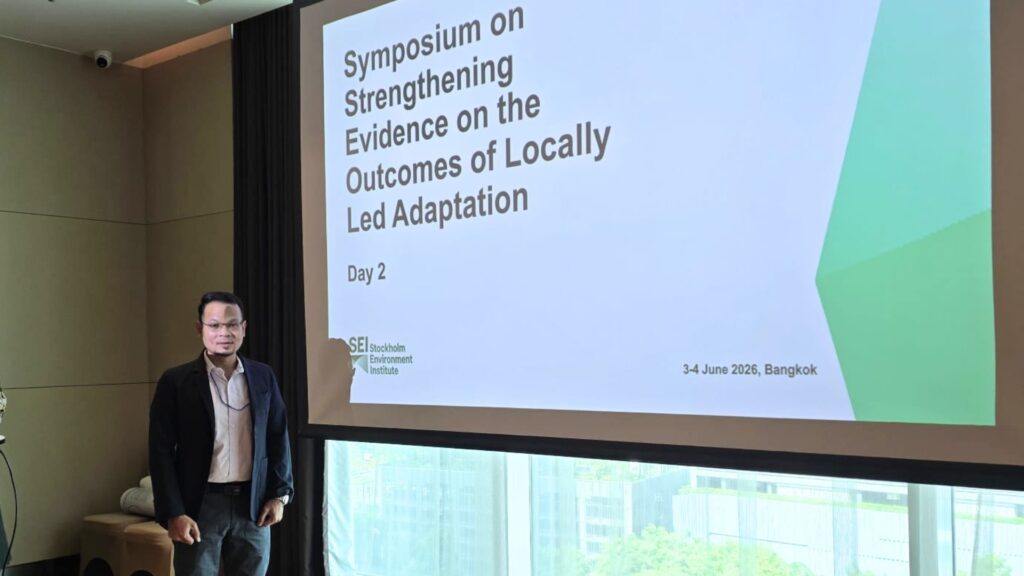
We are pleased to share that Sadar Ginting, DrPH, PhD, Co-Founder & Executive Director of DEEP EnGender, contributed to the Symposium on Strengthening Evidence on the Outcomes of Locally Led Adaptation (LLA), hosted by the Stockholm Environment Institute (SEI), held on June 3–4 in Bangkok, Thailand. The symposium brought together researchers, practitioners, and organizations committed to advancing knowledge and evidence on community-led responses to environmental and climate-related challenges.
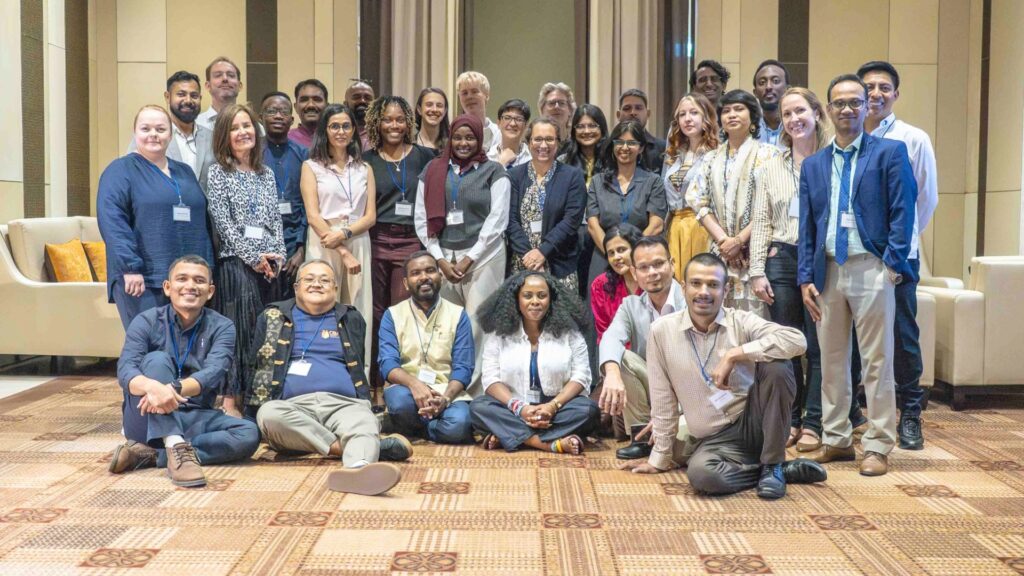
Drawing on DEEP EnGender’s engagement with Indigenous Suku Anak Dalam (SAD) communities. Sadar Ginting, DrPH, PhD, contribution explored how local communities understand and respond to environmental change through their own knowledge systems, food practices, and relationships with forests and rivers. The work highlighted the importance of recognizing Indigenous knowledge and lived experiences as valuable foundations for adaptation planning and environmental governance.
The contribution also examined the challenges faced by Suku Anak Dalam communities, including reduced access to forests, changes in traditional food systems, and the impacts of land conversion on community livelihoods. At the same time, it emphasized the resilience of Indigenous communities in maintaining ecological knowledge and adapting to changing environmental conditions while preserving their cultural identity and connection to the land.
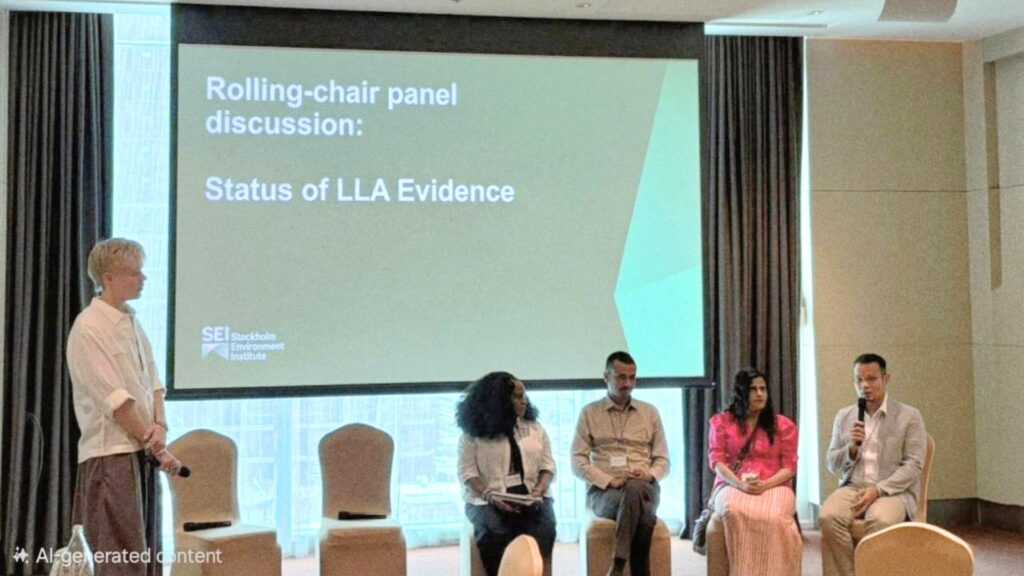
Through this symposium, DEEP EnGender contributed perspectives from Indonesia to broader international discussions on locally led adaptation, environmental justice, and community-based knowledge production. The event provided an important opportunity to share lessons from the field while learning from diverse adaptation practices across different regions and contexts.
Sadar Ginting, DrPH, PhD, participation reflects DEEP EnGender’s ongoing commitment to advancing research and advocacy that center Indigenous perspectives, ecological justice, and locally grounded solutions to environmental change. We look forward to continuing these conversations and strengthening collaborative efforts toward more inclusive and sustainable futures.