DEEP EnGender participated in the 9th Asia-Pacific Climate Change Adaptation Forum, held from 29 September to 3 October at the United Nations Conference Centre, Bangkok, under the theme “Resilience for All: Catalyzing Transformational Adaptation.”
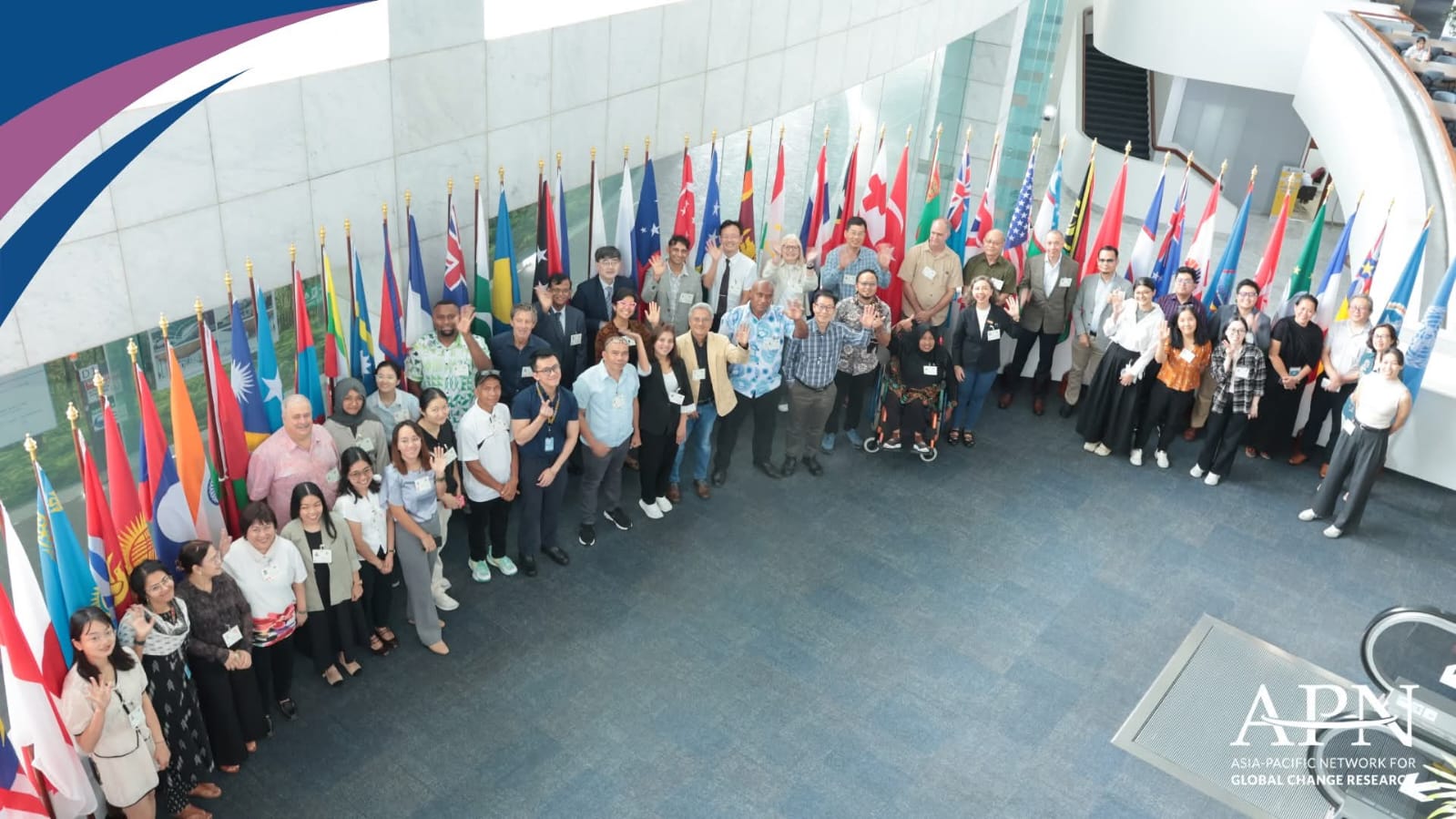
The forum provided a valuable space for exchange, particularly during the regional discussion on Developing a Blueprint for Upscaling Locally Led Adaptation (LLA) Built on Indigenous, Traditional, and Local Knowledge Systems, where diverse experiences and grounded lessons from across the region were shared.
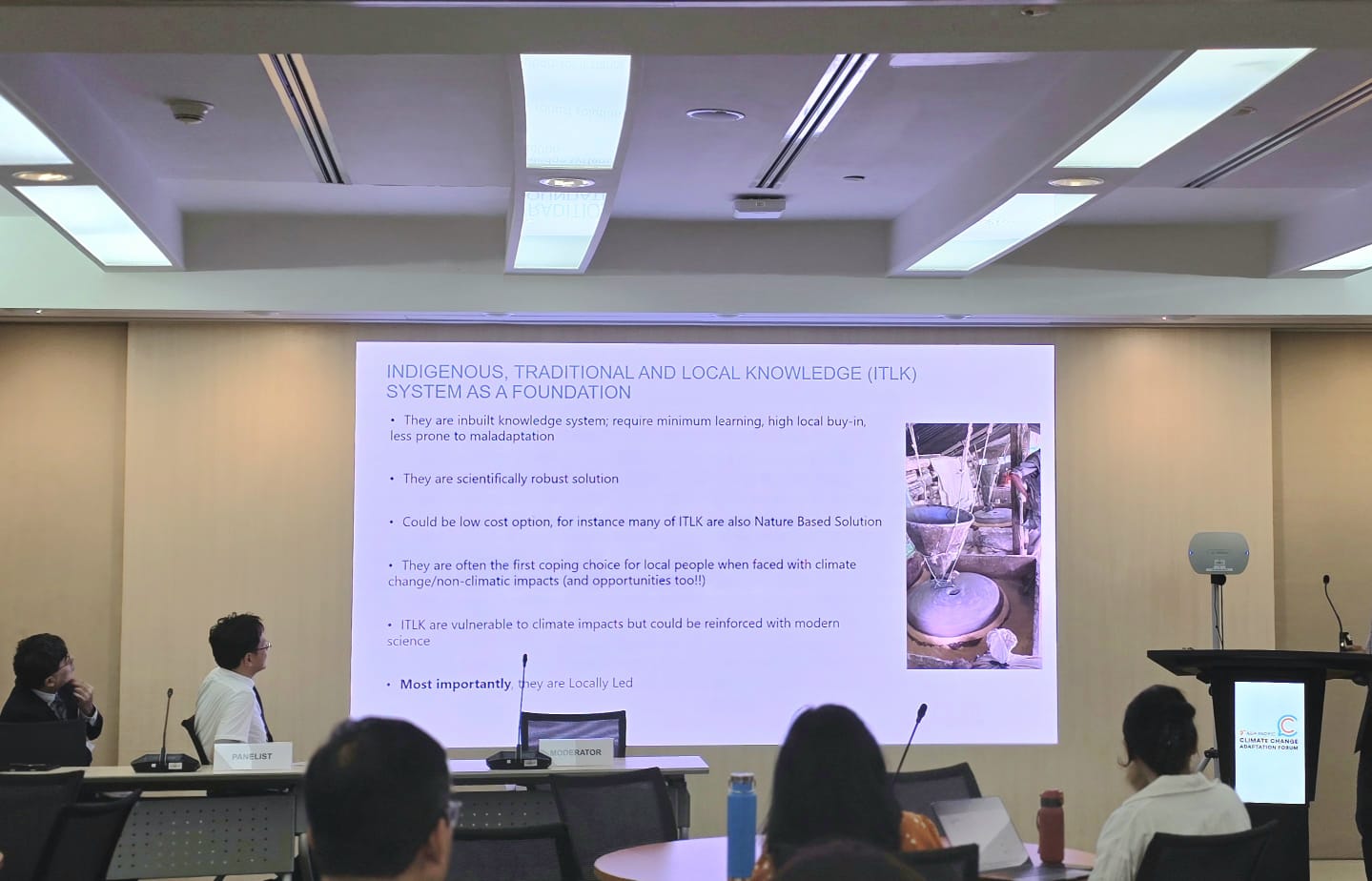
At the same time, a critical gap emerged. Many discussions emphasized tools, frameworks, and project implementation, yet paid limited attention to the root causes of vulnerability, including extractive development models, entrenched power asymmetries, and the ongoing erosion of Indigenous land rights.
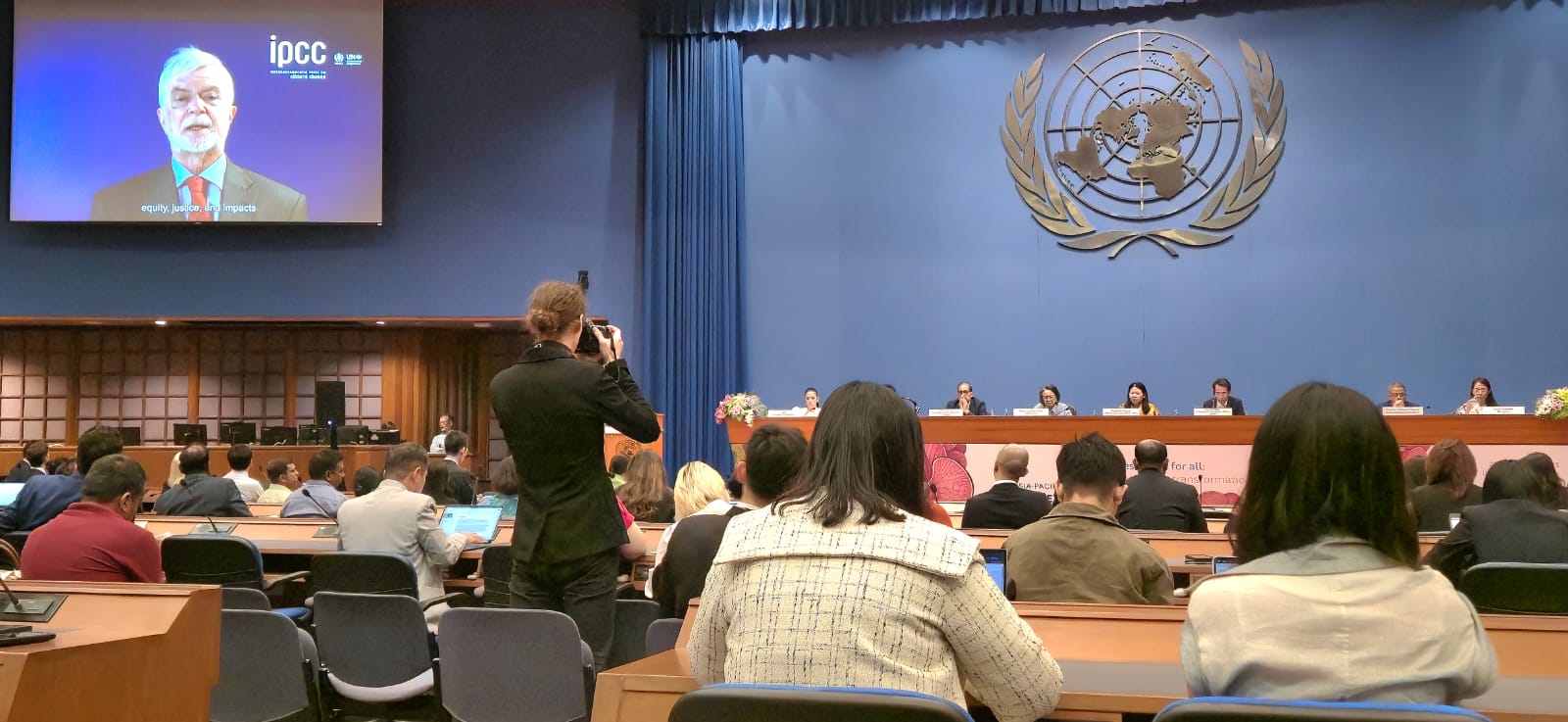
In this context, adaptation must move beyond technical and managerial solutions. Strengthening Indigenous rights to traditional territories, securing land tenure, and recognizing Indigenous governance systems are fundamental to just and lasting adaptation. These elements are also central to safeguarding Indigenous food systems, which are inseparable from ancestral lands, ecological knowledge, and cultural identity.
Looking ahead, climate adaptation must be repoliticized, centering Indigenous territorial rights, food sovereignty, and structural transformation, rather than relying solely on technical fixes.