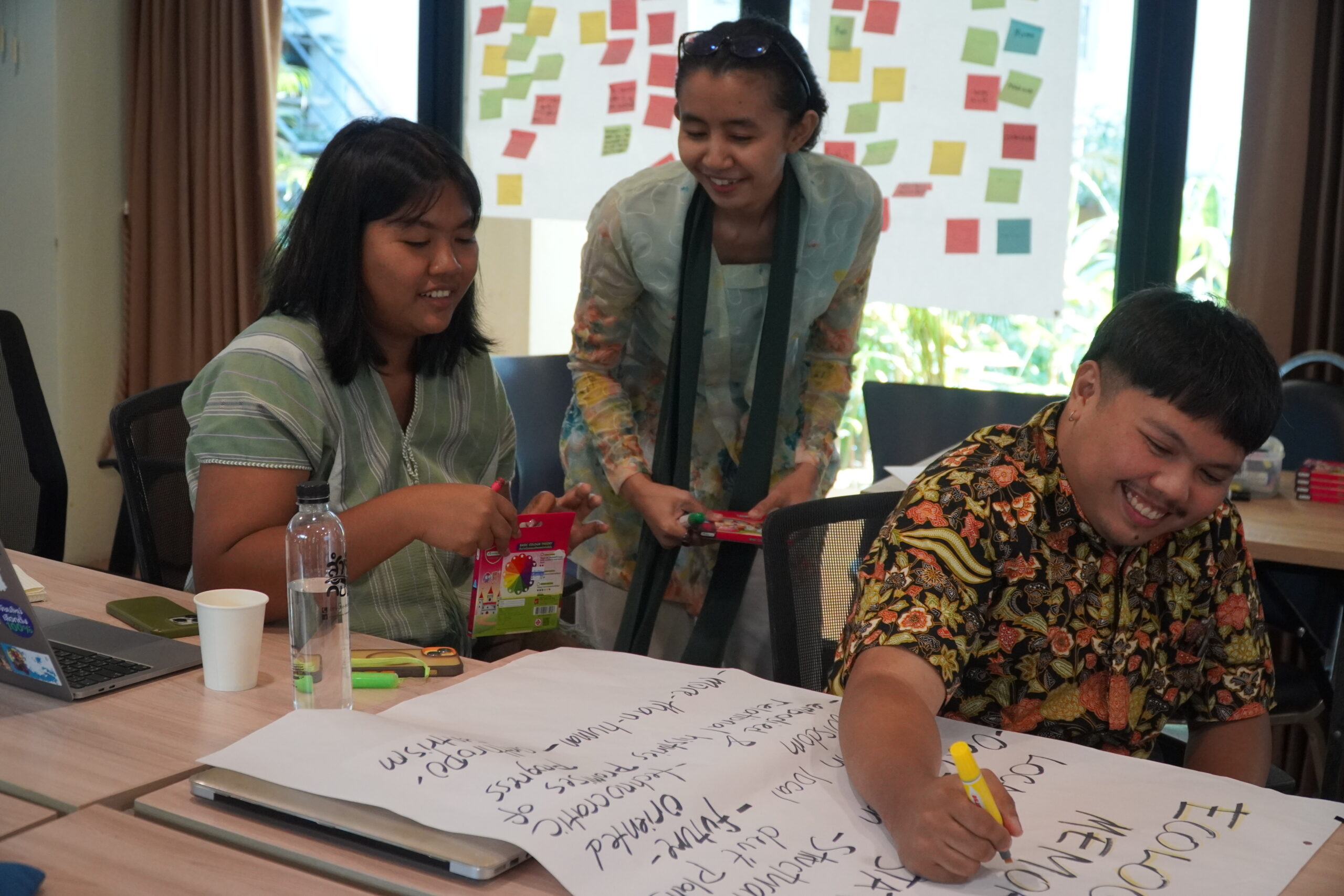
DEEP EnGender took part in the Environmental Justice Workshop titled “Environmental Justice: Rethinking Knowledge, Power, and Inequality in the Context of Climate Change and Agrarian Transitions in Southeast Asia” (24–29 January 2026), hosted by The Regional Center for Social Science and Sustainable Development (RCSD), Faculty of Social Sciences, Chiang Mai University.
The workshop brought together researchers and practitioners working across academic research, public communication, and alternative forms of knowledge production in Southeast Asia. From the outset, environmental justice was framed not as a technical issue, but as a deeply political and structural process shaped by unequal power relations, extractivist development, and epistemic hierarchies. This orientation closely resonates with DEEP EnGender’s approach to environmental justice as a lived, gendered, and historically situated experience.
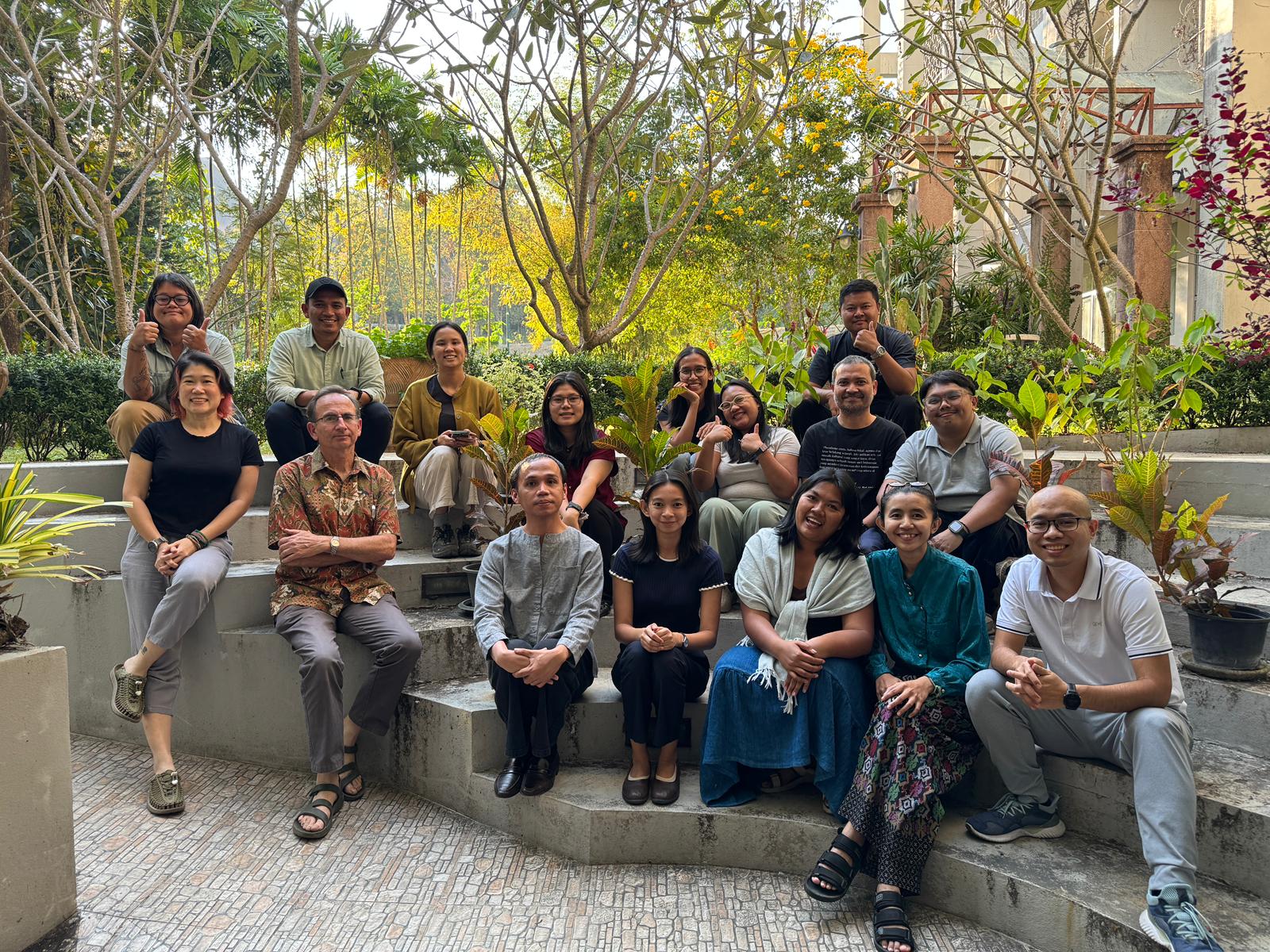
Across lectures, discussions, and field-based learning, environmental justice was explored as a relational practice that raises critical questions about whose knowledge is recognized, whose realities are legitimized, and whose lives are rendered expendable in the name of development. Sessions on epistemic agency, ontological conflict, and the political ecologies of land and water highlighted how injustice emerges not only through material dispossession, but also through the systematic marginalization of Indigenous and local ways of knowing and relating to the environment.
A field visit to Mae Ngud village offered a grounded encounter with environmental justice as lived experience. Listening to Karen community members reflect on the impacts of dams, water diversion projects, and agrarian transitions illustrated how development interventions reshape livelihoods as well as moral relationships with land and water. The use of People’s Environmental Impact Assessment (PEIA) demonstrated how communities actively produce their own knowledge to challenge state and corporate narratives. This approach aligns strongly with DEEP EnGender’s commitment to community-led knowledge practices.
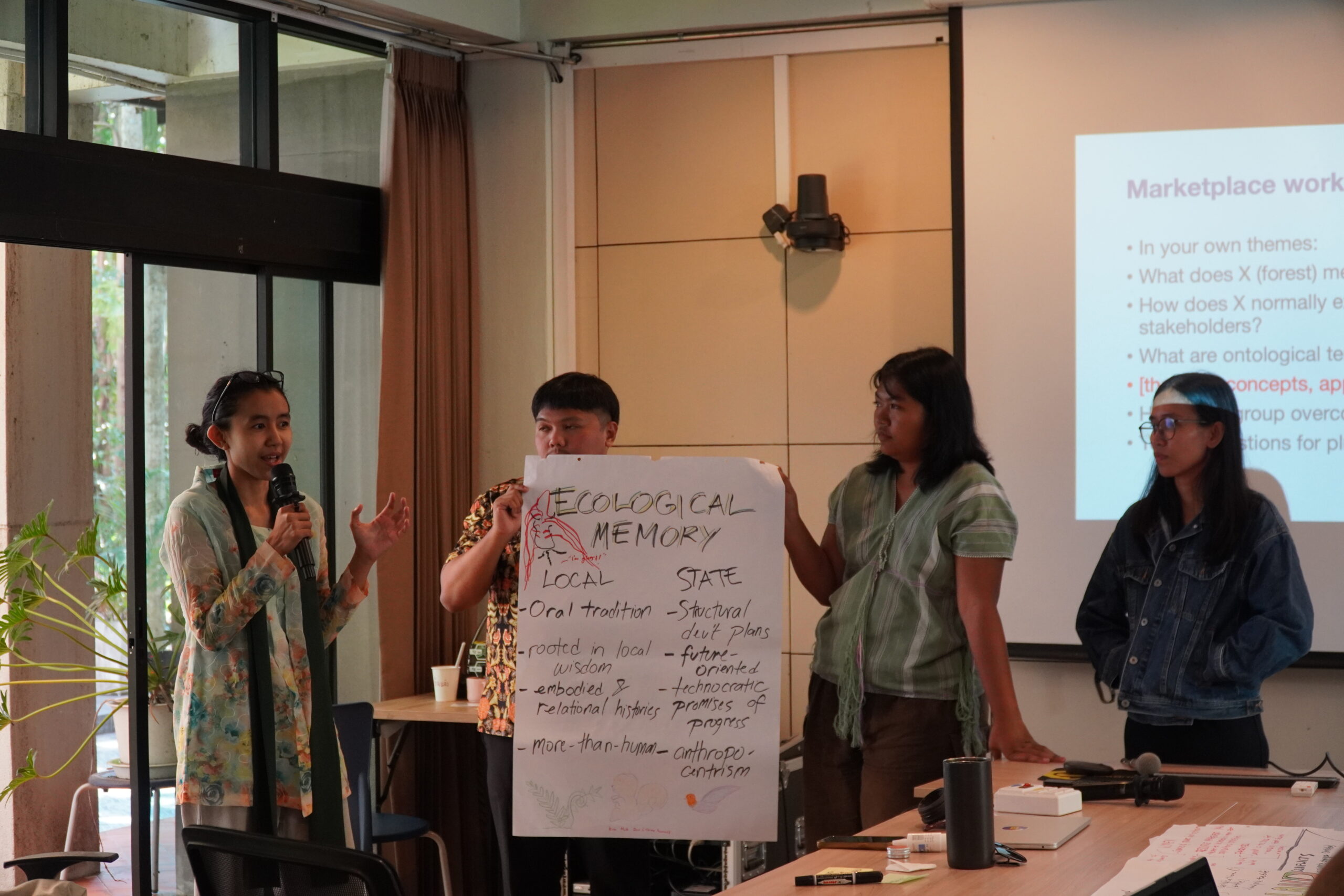
Within this collective learning space, Herlina Dedy Listiani (Researcher, DEEP EnGender) contributed reflections from DEEP EnGender’s engagements in Indonesia and from her ongoing research on myth and extractivism. She shared how narratives often categorized as “myth” or “belief” can operate as ethical and political frameworks through which communities understand ecological change, responsibility, and care, while also asserting alternative environmental futures beyond dominant development logics.
Insights from this workshop will contribute to DEEP EnGender’s ongoing research, internal learning processes, and public-facing knowledge production. This participation strengthens our commitment to environmental justice work that is culturally grounded, gender-sensitive, and attentive to Southeast Asia’s epistemic diversity.