DEEP EnGender Presented at Harvard University Workshop

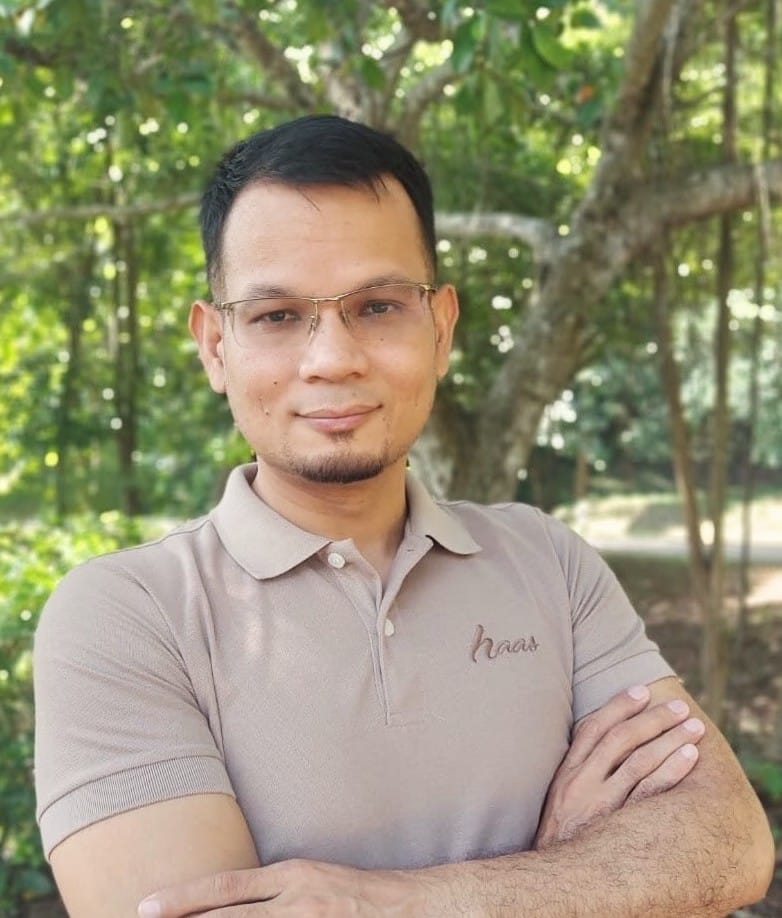
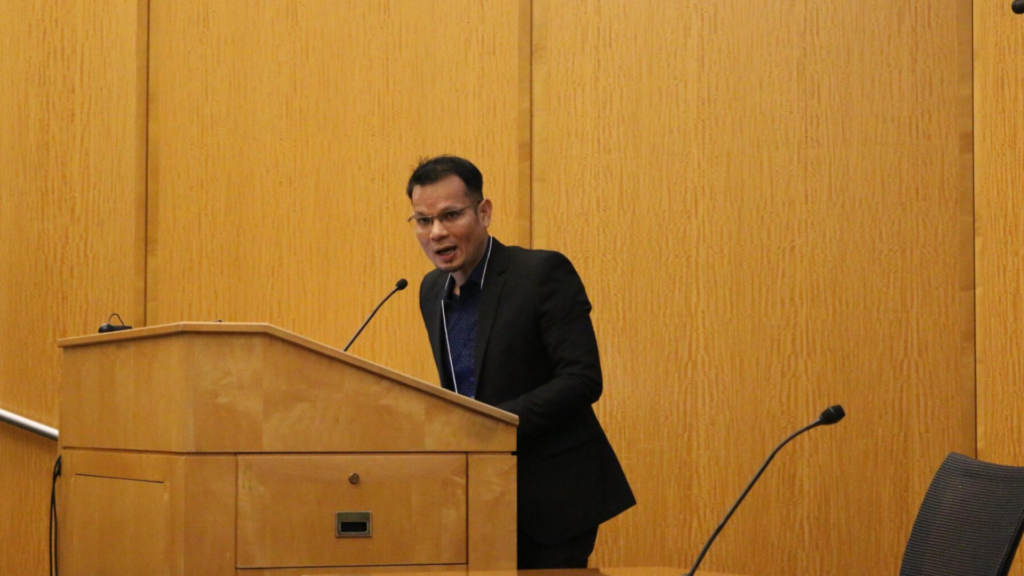
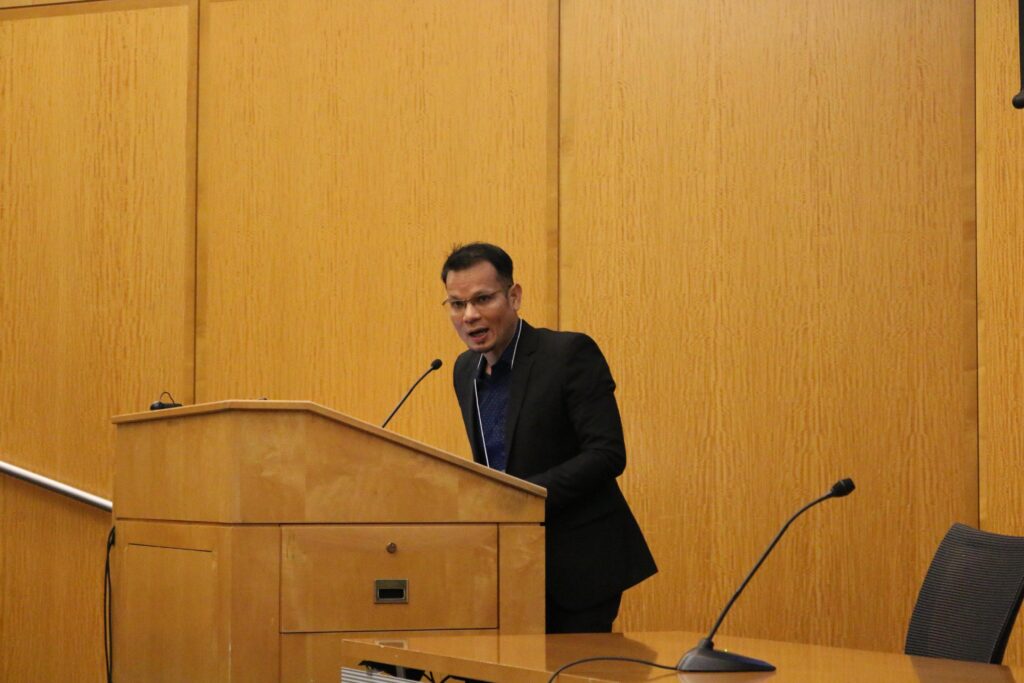
On July 25-27, 2024, Dr. Sadar Ginting, Project Coordinator for DEEP EnGender, attended the International Workshop on Climate-Resilient Development in Southeast Asia at Harvard University, Cambridge, USA. Dr. Ginting delivered an oral presentation on the topic: "Indigenous Epistemologies for Sustainable Futures: Insights from Indonesia’s Suku Anak Dalam on Climate Change Resilience, Food Sovereignty, and Health Equity."

The presentation highlighted Indigenous knowledge systems as crucial frameworks for addressing climate resilience, sustainable food systems, and equitable health policies. This participation underscores DEEP EnGender’s commitment to integrating Indigenous perspectives into global discussions on sustainability and resilience. We are proud of Dr. Ginting’s contribution to this critical dialogue and look forward to further collaborations in the field.

4340_0-768x1024

DEEP EnGender Presented at Harvard University Workshop Read More »

DEEP EnGender Presented at CHSS Symposium and Co-Convened Panel at AAS-in-Asia 2024

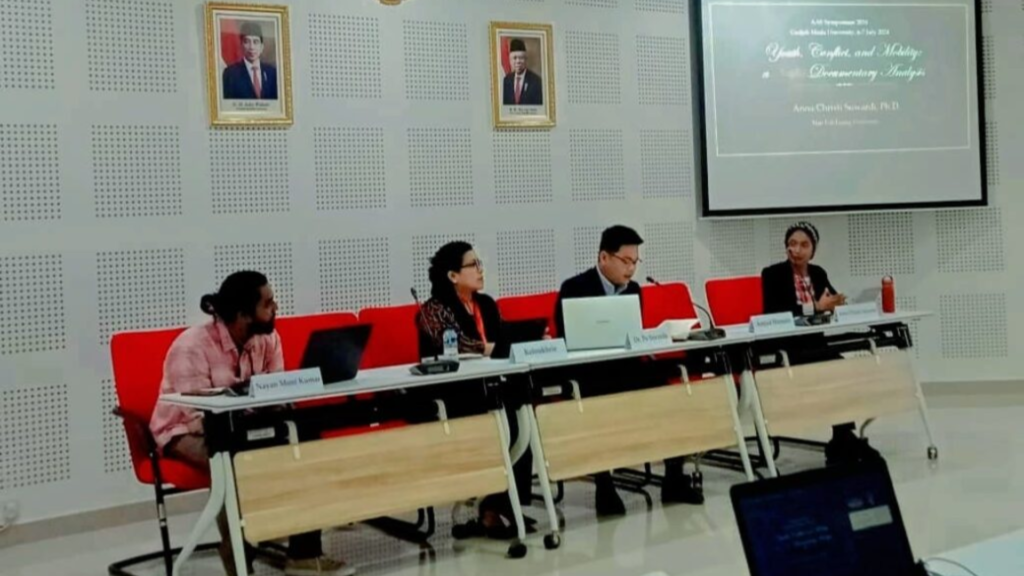
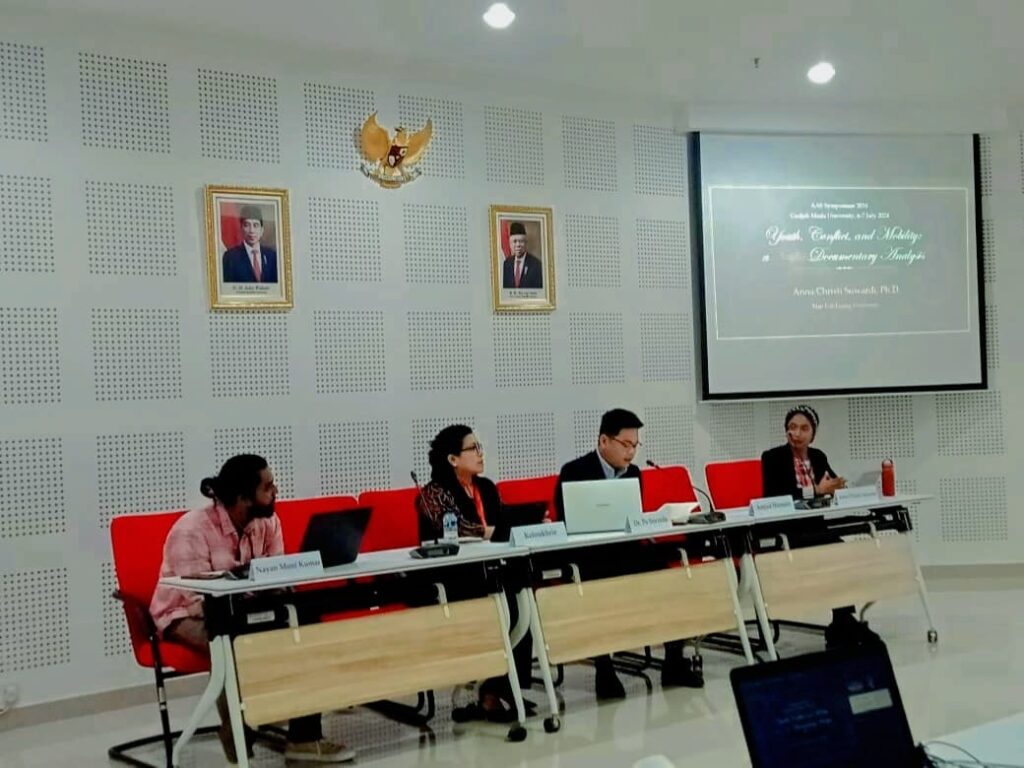
We are proud to highlight the continued academic contributions of Dr. Anna Christi Suwardi, Circle Initiator at DEEP EnGender and 2023 CHSS Fellow. On July 6–7, 2024, Dr. Suwardi presented her research at the CHSS Symposium hosted by Universitas Gadjah Mada (UGM) in Yogyakarta, Indonesia. Under the theme “Mobilities Beyond Boundaries: Social & Spatial Trajectories in Asia,” the symposium brought together interdisciplinary scholars to examine shifting movements and identities across the region.

Dr. Suwardi shared a presentation titled “Youth, Conflict, and Mobility: A Netflix Documentary Analysis,” offering a critical lens on contemporary visual narratives and the representation of conflict-affected youth in Asia. Her work highlights how digital media can shape—and be shaped by—realities of migration, resistance, and generational experience in unstable regions.

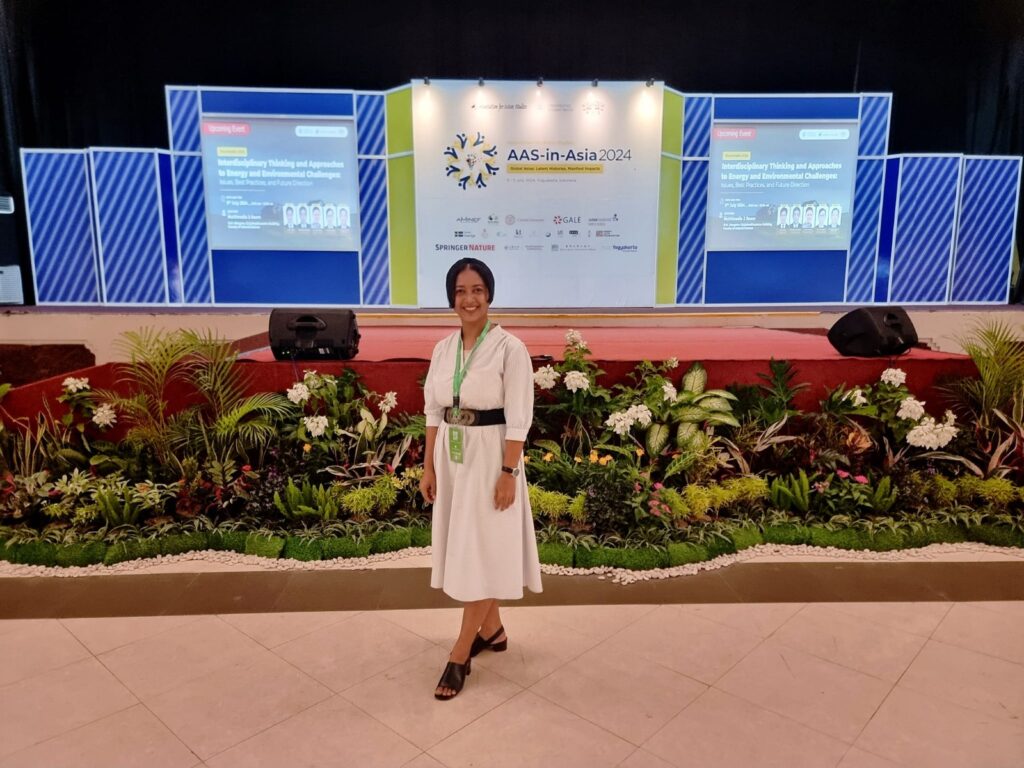
Following the symposium, from July 9–11, 2024, Dr. Suwardi participated in the AAS-in-Asia 2024 Conference, where she served as one of the panel convenors for “Decolonizing Research, Methods, Policy, and Practice in Conflict-Affected Regions in South and Southeast Asia.” In this forum, she also delivered a second research presentation titled “Historical Legacy and Ongoing Conflict,” further contributing to timely and critical conversations on structural violence, colonial continuities, and inclusive scholarship.

Dr. Suwardi’s active engagement across these international platforms reflects her enduring commitment to advancing socially conscious research that amplifies the lived experiences of marginalized communities. Her work continues to exemplify DEEP EnGender’s mission of integrating dialogue, empathy, ecology, and peace into scholarly and advocacy spaces.

We extend our congratulations to Dr. Suwardi for her continued leadership in decolonial scholarship and knowledge exchange across Asia.

DEEP EnGender Presented at CHSS Symposium and Co-Convened Panel at AAS-in-Asia 2024 Read More »

DEEP EnGender Presented at the 18th International Society of Ethnobiology Congress in Morocco

From 15–19 May 2024, Dr. Sadar Ginting, Project Coordinator for DEEP EnGender, participated in the 18th International Society of Ethnobiology (ISE) Congress, held at Cadi Ayyad University in Marrakech, Morocco. This globally recognized gathering brought together nearly 400 academics, activists, Indigenous leaders, and practitioners from over 70 countries under the theme: “Biodiversity and Cultural Landscapes: Scientific, Indigenous, and Local Perspectives.”

Dr. Ginting delivered a presentation titled "Indigenous Suku Anak Dalam (SAD) Sharing Knowledge: Challenges and Successes in Ethnobiological Research." His talk offered insights from long-term engagement with the Suku Anak Dalam Indigenous community in Indonesia, highlighting both the obstacles and breakthroughs encountered in conducting collaborative, respectful ethnobiological research. His work emphasized the importance of Indigenous knowledge systems and community-led research in safeguarding biodiversity and strengthening cultural resilience.

Dr. Ginting’s participation reflects DEEP EnGender’s ongoing commitment to centering Indigenous voices in environmental research and global dialogue. We are honored to support his contribution to this critical field and look forward to further collaborations that bridge science, Indigenous knowledge, and cultural integrity.

-1

DEEP EnGender Presented at the 18th International Society of Ethnobiology Congress in Morocco Read More »

Reviving Indigenous Farming Traditions

The main goal of the Sustainable Agriculture Revitalization Program (SARP) was to help Indigenous SAD communities. It did this by teaching them and supporting small-scale farming methods. The program aimed to improve food security in Jambi while encouraging sustainable farming and protecting the culture of these communities.

In the past, Indigenous SAD communities lived by hunting animals and gathering plants from the forest to meet their needs, rather than practicing settled farming. Their way of life was deeply connected to the forest, which provided everything they needed for survival. However, over time, outside forces disrupted this way of life. One major issue was being forced to leave their ancestral lands, which not only removed them from the forest but also made it difficult for them to pass down their traditional knowledge to future generations.

This loss of connection to their land and traditions led to a decline in their understanding of farming practices, which were already limited due to their focus on hunting and gathering. The forced displacement also weakened their cultural identity and community bonds, making it harder for them to adapt to new challenges. As a result, they began to lose both their indigenous agricultural knowledge and their cultural practices, leaving their communities in a vulnerable position.

In response to these problems, DEEP EnGender worked diligently to bring back small-scale farming to help Indigenous SAD communities. The goal was to reconnect them with farming, which could provide a steady source of food and improve food security in Jambi. These efforts focused on addressing the loss of traditional knowledge and the challenges caused by displacement and cultural changes.

SARP played a key role by offering targeted support, education, and farming tools. The program worked to teach the communities simple but effective farming methods that could be easily adopted. This not only helped improve their daily lives by providing more reliable food sources but also supported their independence and ability to take care of their families.

Date: 2-3 March, 2024

Reviving Indigenous Farming Traditions Read More »

“Re-Grow” Initiative

"Re-Grow" Initiative Empowers Indigenous SAD Communities

After many talks with different groups, including Tumenggung, the leaders of Indigenous SAD communities, DEEP EnGender turned plans into action with a program called "re-grow." This program was made to bring real help. As part of it, they visited three areas where SAD groups lived. During these visits, they planted fruit trees like avocado, mango, and matoa. The goal was to support the Indigenous SAD communities in caring for their environment and to help them get more food.

WhatsApp Image 2024-01-09 at 17.54.12

The importance of the "re-grow" program was more than just planting trees; it was a complete way to help the communities grow. The team made sure to include the SAD groups in every step of the planting process. They worked together, and the communities took an active part. This plan helped the program succeed and gave the Indigenous communities a feeling of ownership and strength.


WhatsApp Image 2024-01-10 at 16.46.13

We built partnerships with local leaders and a SAD teacher to work more closely with the SAD communities. We visited their living areas often and held regular learning sessions. During these sessions, we shared important information and worked to build strong trust with the communities. By combining helpful actions with regular education, we aimed to make a lasting difference in the lives of the Indigenous SAD communities.
WhatsApp Image 2025-02-16 at 23.47.06


Date: 12-14 January, 2024

“Re-Grow” Initiative Read More »

Synergizing Multisector Collaboration

WhatsApp Image 2025-02-16 at 23.30.40

Dialogue Towards Synergizing Multisector Collaboration to Enhance Indigenous Suku Anak Dalam Livelihood 

In Pamenang Selatan, Merangin District-Jambi, on January 3rd, 2024, DEEP EnGender held an important meeting to encourage teamwork between different sectors. These included leaders from the Indigenous Suku Anak Dalam (SAD), represented by five Tumenggung (SAD leader), six Village Chiefs, and representatives from the government sectors of Agriculture, Forestry, Health, Social Services, Community Empowerment, and Education. Local community members also joined, creating a strong and diverse group. This meeting went beyond formal talks and was a real effort to work together as a group. The main goal was clear: to coordinate actions in different areas, focusing on important issues like food security and restoring the environment. It was more than just following rules; it showed a shared promise to care for the community and the environment. The talks were lively and full of energy, with the Tumenggung, Chiefs, and ministry officials sharing ideas actively. They discussed both problems and opportunities, showing a strong and meaningful exchange. Each person’s voice was important, representing the hopes of the community and the need to care for the environment.    

WhatsApp Image 2025-02-16 at 23.25.35

This teamwork led to a clear action plan: starting a pilot project. The plan focused on planting fruit trees in carefully chosen villages where the Indigenous SAD lived. This project was more than just farming; it stood for growth, sustainability, and working together.

The decision-making process was active, like planting a seed in the soil of Pamenang Selatan. This seed was meant to grow into real, positive change. Choosing the pilot project was not only a smart step but also a strong statement of the goal to improve the land and people’s lives.

WhatsApp Image 2025-02-16 at 23.24.41

DEEP EnGender, leading this important project, did not stop there. With the support of many groups, the organization showed its strong commitment to helping the Indigenous SAD in a lasting way. This promise was not short-term but a long-term effort to build community strength, share knowledge, and support independence.

WhatsApp-Image-2024-01-05-at-12.11.50-2

 Date: January 3, 2024

Synergizing Multisector Collaboration Read More »

Indigenous wisdom for food sustainability

WhatsApp Image 2025-02-16 at 23.10.08

Deep in the palm fileds of Merangin District, Jambi, the Suku Anak Dalam have honed the art of food sustainability for generations. During our fieldwork from December 14 to 27, 2023, we had the rare opportunity to witness their remarkable ability to sustain themselves using indigenous knowledge passed down through time. Their approach to food isn’t just about survival—it’s about maintaining a balance between nature and community.

One of the most striking moments of our visit was sitting inside a traditional wooden hut, where an elder passionately explained the principles of foraging, hunting, and cultivating native crops. His animated storytelling wasn’t just about food; it was about harmony with the land. These lessons, shared orally from generation to generation, ensure that the community’s food system remains resilient and self-sufficient.

WhatsApp Image 2025-02-16 at 23.08.22

Unlike modern food systems, where individual ownership often prevails, the Suku Anak Dalam operate through a deeply communal approach. Food belongs to everyone, reinforcing sustainability through collective effort, shared knowledge, and equitable distribution. Women, elders, and children all play a role in food preparation and management, ensuring that no one goes hungry.

WhatsApp Image 2025-02-16 at 23.04.40

A striking example of sustainability in action was a young girl skillfully grating cassava—a staple food. At just ten years old, she already possessed valuable knowledge of food processing, ensuring that cassava is preserved through drying and fermentation. These techniques prevent waste, extend food availability, and fortify the community’s food security, especially during scarce seasons.

WhatsApp Image 2025-02-04 at 15.18.44

Image: A young girl carefully grates cassava, demonstrating an essential food preservation technique passed down through generations

One of the most fascinating aspects of the Suku Anak Dalam diet is their reliance on wild and naturally resilient crops. We observed their use of wild yam and cassava, foods that grow abundantly in the forest without the need for fertilizers or pesticides. These plants provide essential nutrients and are a testament to the community’s deep ecological knowledge. Their ability to thrive without external intervention makes them a powerful model for sustainable agriculture.

In a world increasingly challenged by food insecurity, climate change, and environmental degradation, the wisdom of the Suku Anak Dalam offers a blueprint for resilience. Their food system, built on nature’s rhythm, traditional wisdom, and communal values, stands as a powerful reminder that sustainability is more than just a concept—it’s a way of life.

As modern societies seek sustainable solutions, there’s much to learn from these indigenous communities. By respecting traditional knowledge and embracing eco-friendly food practices, we can move toward a future where food isn’t just consumed—it’s truly understood.

Fieldwork Location: Merangin District, Jambi

Research Period: December 14-27, 2023

Focus: Traditional food sustainability of the Suku Anak Dalam

Indigenous wisdom for food sustainability Read More »

Voices Unite for Peace

FGD and training on project design: optimizing resource mobilization and strengthening consolidation

A dynamic gathering of 10 inspiring women leaders, along with 2 resource persons, delved into the outcomes of two impactful activities. Held at the Prince of Songkla University Pattani Campus, this Focus Group Discussion was a powerhouse of insights, held in the spirit of collaboration and progress.

Exploring the results in-depth, the participants worked towards formulating key recommendations for enhancing collaboration among female peacebuilders in the Deep South of Thailand.

The session concluded with a set of succinct recommendations, paving the way for stronger ties and a united front in the pursuit of peace.

Thai-Buddhist and Malay-Muslim women have spoken, and their vision of peace resonates with justice, inner harmony, freedom from violence, and the fulfillment of basic needs.
Here are the powerful recommendations from these incredible women on how to achieve lasting peace:

  • Meaningful Participation: Women call for an enhanced role in the peace process, aligned with the Women, Peace, and Security (WPS) agenda. This includes appointing women to pivotal positions within the peace negotiation team.
  • Principles of Participation, Prevention, and Protection: Embrace the core principles of involving, preventing, and protecting women. This involves capacity building and empowerment at all levels, coupled with vigilant monitoring of the peace negotiation process.
  • DDR Advancement: Preliminary preparations are key! The call is to redefine and expand the meaning of Disarmament, Demobilization, and Reintegration (DDR). This particularly focuses on recovery, reconciliation, and reintegration, with a spotlight on advancing women’s roles as catalysts for change.

Date: 14 August 2023

Voices Unite for Peace Read More »

DEEP EnGender Initiator Selected for APSA Publishing Workshop in Southeast Asian Politics

We are proud to share that Dr. Anna Christi Suwardi, Circle Initiator at DEEP EnGender, was selected to participate in the American Political Science Association (APSA) Publishing Workshop for Southeast Asian Politics, held on July 31st, 2023, at Singapore Management University (SMU). In conjunction with this prestigious workshop, Dr. Suwardi was also invited to attend the SEAREG 2023 Summer Conference on August 1–2, further contributing to regional scholarly exchange.

The APSA Publishing Workshop was designed to strengthen research and publication efforts in the field of Southeast Asian politics. A total of 22 selected participants engaged in interactive sessions, research presentations, and career-focused discussions—including fieldwork navigation, mentorship, and network building.

Dr. Suwardi presented her ongoing research on the development of women’s organizations in multicultural societies as agents of peacebuilding. Her work highlights the role of inclusive, community-driven movements in fostering long-term social transformation, drawing from both political science and peace studies perspectives.

The workshop was facilitated by a distinguished panel of scholars: Walid Jumblatt Abdullah (Nanyang Technological University), Yuko Kasuya (Keio University), Nathanael Sumaktoyo (National University of Singapore), and Risa Toha (Wake Forest University)—all of whom provided guidance on advancing regional scholarship for global publication.

Dr. Suwardi’s participation reflects DEEP En-Gender’s commitment to supporting feminist leadership and peacebuilding scholarship in Southeast Asia. We celebrate her achievements and look forward to the impact of her work in shaping more inclusive activist networks across the region.

DEEP EnGender Initiator Selected for APSA Publishing Workshop in Southeast Asian Politics Read More »

Unveiling the Stories of Female Peacebuilders!

Profiling Intergenerational Voices of Female Peacebuilders: Embracing the Past, Reaching the Future

Embarking on a transformative journey, we immersed ourselves in the vibrant tapestry of Pattani and Yala provinces, capturing the untold narratives of female peacebuilders. In a whirlwind two-day fieldwork project, we intimately connected with seven remarkable women, transcending the boundaries of religion and age.

From the soothing cadence of Thai conversations, we distilled a universal essence, interpreting and crafting a mosaic of stories in English for a compelling short documentary. Muslims and Buddhists, seniors and juniors, seamlessly shared their experiences, painting a nuanced picture of resilience. Watch the Video Here

Our documentary unfolds as a testament to unity. It echoes the imperative of understanding conflict roots, showcasing the diverse roles of women in promoting peace. Seniors and juniors, Muslims and Buddhists—each voice contributes to a harmonious symphony of shared wisdom.

Date: 29–30 May 2023

Unveiling the Stories of Female Peacebuilders! Read More »

Scroll to Top