Reclaiming Food Through Dialogue

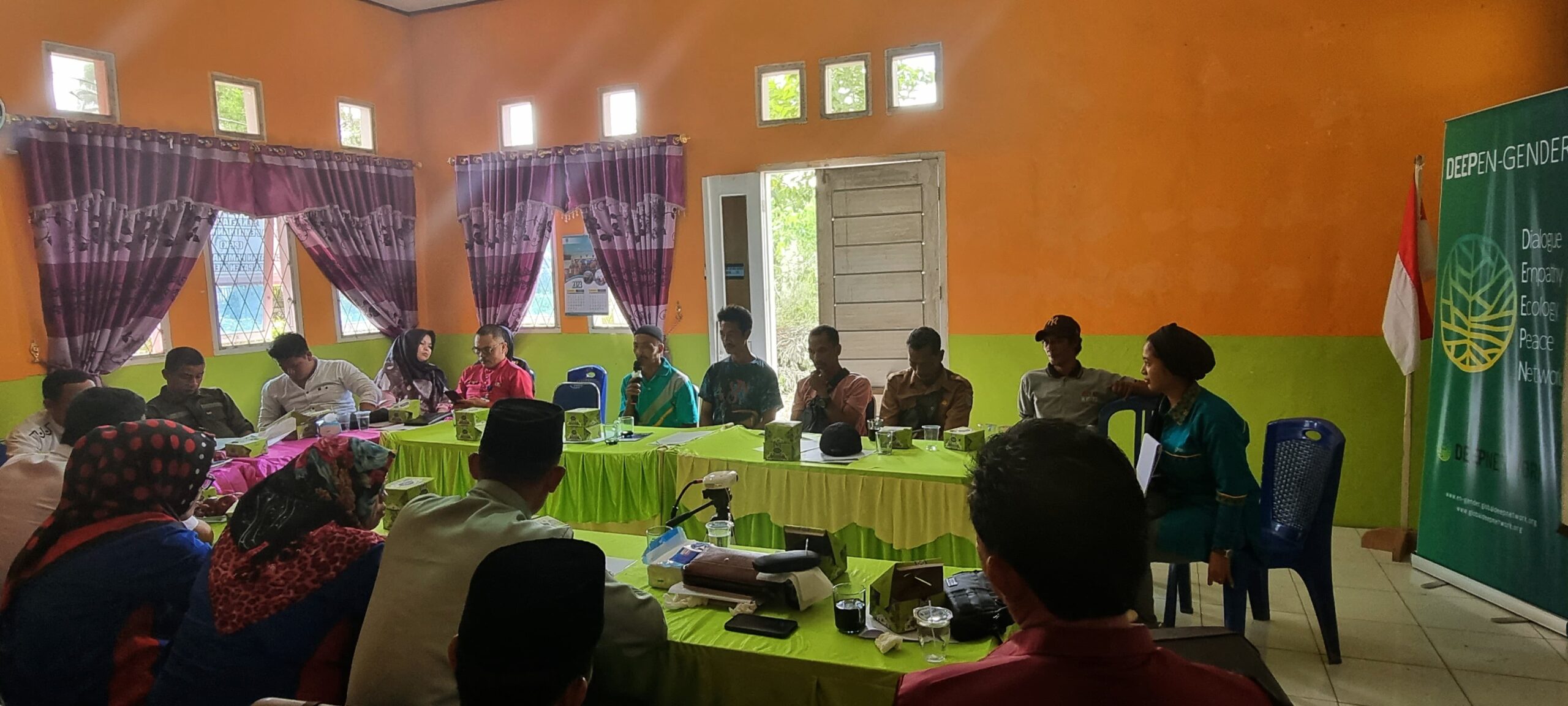
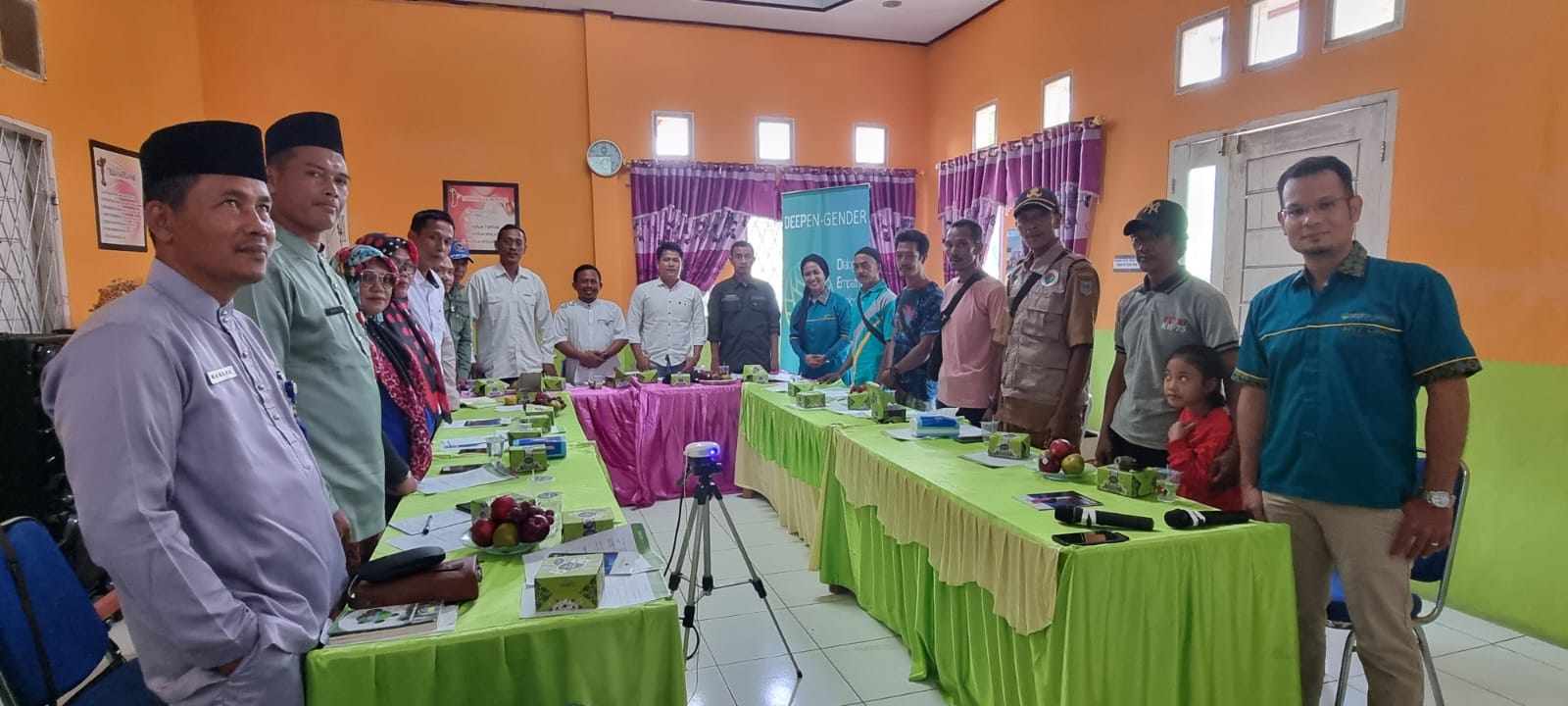
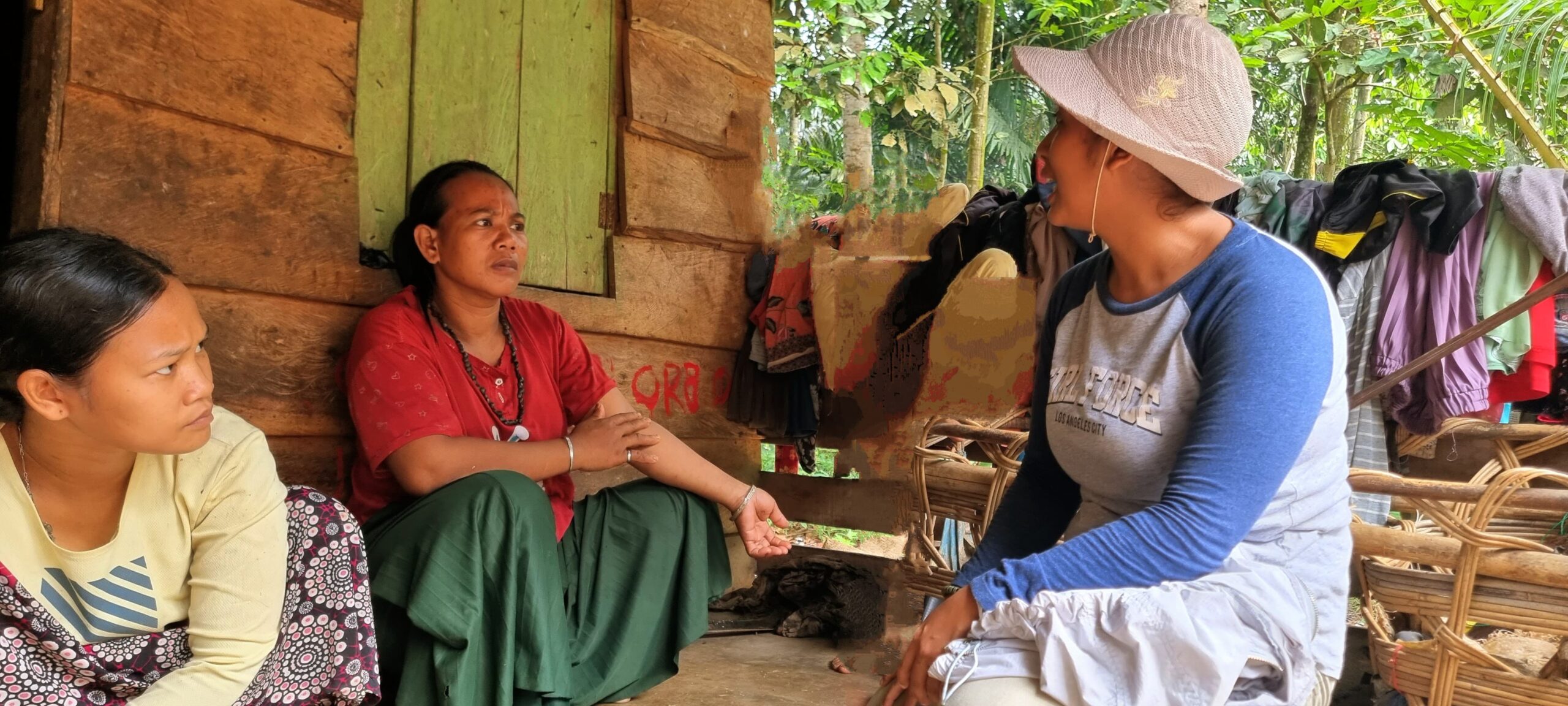
Who decides what people eat when the forest can no longer decide for them? This question guided our time sitting together in a circle in Jambi, where DEEP EnGender researchers, a SAD facilitator, village officials from Lantak Seribu, the Tumenggung, the Induk SAD, and community members gathered without hierarchy.  People began by speaking about what has changed. Hunting, once reliable, is no longer certain. Forest paths have disappeared or become inaccessible. These were not framed as problems to be quickly solved, but as realities to be collectively understood. As the discussion deepened, women’s voices shifted the focus toward everyday life such as what is cooked, what is accepted, what children will eat, and what remains possible. In that moment, food becomes something grounded in care, practice, and continuity.

No one rushed to offer solutions. The facilitator, Mas Trophy, held the flow of conversation, allowing pauses and returns. Representatives of village officials listened without directing, and our team followed rather than led. Authority moved within the circle, shared between customary leaders, women, and community members, each shaping the direction in their own way. Ideas emerged slowly, tested through discussion rather than imposed, ensuring that any path forward remained rooted in the community itself. What took shape is  a way of deciding that values listening over instruction and collective reflection over speed. In the end, food sovereignty is not only about what is eaten, but about who has the power to decide, and in this circle, in this dialogue, that power is shared.

Highlights

  • Food sovereignty is shaped through collective decision-making, not imposed solutions.
  • The circle redistributes authority across community members, leaders, and women.
  • Everyday knowledge, especially from women, grounds what is possible.
  • Dialogue manifests a method,  the process through which change takes form.

Reclaiming Food Through Dialogue Read More »

Food and Autonomy of Suku Anak Dalam (SAD) : An Indigenous Response to Loss

It was a sunny Friday morning in April 2026 when a new, empty pond was first unveiled in the Lantak Seribu village, one young man grinned and joked in Indonesian, “Wah, kolamnya cocok untuk beradu ayam!” (This pond looks made for a cockfight), he laughed. We joined in the laughter. At that moment, the pond was nothing practical, not yet a source of food or livelihood. It was just an unfamiliar patch of water in the ground. It felt out of place. And that mattered.

The setting is Jambi, on the island of Sumatra, where the land has already been reshaped. For the Suku Anak Dalam  (SAD) (literally the Children of the Forest) the jungle was more than just land. It was a living pantry, a library of knowledge, and the heart of their identity. Hunting wild game, gathering fruits and roots, moving with the seasons of the forest – these weren’t mere chores. They were the SAD way of life itself. But the forest isn’t as it once was. Oil palm plantations have crept into their territory, swallowing trees and pathways. As the green depths of the jungle give way to rows of palms, many SAD families can no longer reach the groves and streams where they once hunted and foraged. It’s not just fish and game that are lost. It’s autonomy, the freedom to choose how to feed themselves and live by their own traditions.

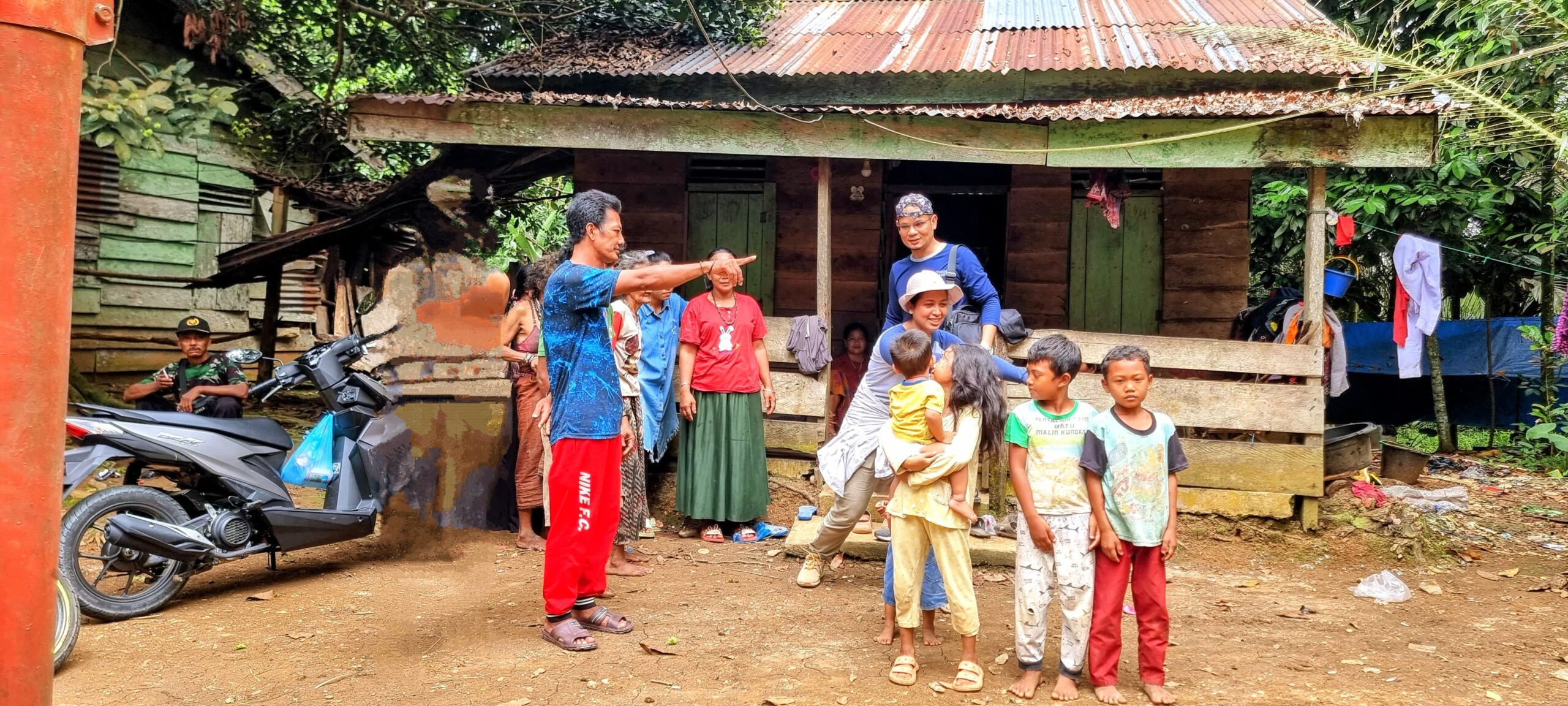
When our team from DEEP EnGender began working on our new project called Digital Re-Grow Initiative with the SAD communities here, we didn’t walk in with ready-made answers or blueprints. We came with questions, and with open ears. We spent time in the village not rushing from project to project, but sitting in the shade listening to stories. We talked with everyone, the young men and women, the Induk (the female elders), and the Tumenggung (the community’s chief). Through their stories of change, of loss, of how they adapt each day, a shared concern emerged: How could they respond to the shrinking forest without sacrificing their dignity, their knowledge, and their collective agency?

Suddenly, quoting Virginia Woolf that everything came back to food. In a place where the old forest ways were disappearing, what could be grown or raised? What made sense not only economically but culturally? Together, we asked ourselves: What food project would the community accept as their own? We heard about the crops and animals they knew, but one idea kept surfacing. The SAD people didn’t normally count on fish for meals, except for one familiar kind: the catfish, or lele. It’s a fish they know and like, a fish that felt possible in these circumstances. So the idea of the pond took root. But this was not an outsider saying “Here is your solution.” It was a conversation we shaped together. Through ongoing talks with village leaders and the government, a collective plan emerged: build a catfish pond together. In the end, we prepared the pond and stocked it with two thousand catfish seedlings. Twenty-four SAD households shared in taking care of the pond. Notice how leadership came about: it was not imposed by us, or by distant experts. It came from within the community guided by the Tumenggung, the Induk SAD, and local coordinators from the village.

And yet, the pond itself was only half the story. What truly matters is how it happened. We didn’t run one-way trainings or hand down a rulebook. Instead, we organized simple workshops as circles of exchange. In those circles, modern fish-farming techniques met the community’s own ecological wisdom. Every practice was put on the table to discuss: no assumption was made. A conversation might go like this: a scientist explains a method, and then an elder raises her hand to add, “In my childhood, I remember this way might fit here.” We all learned together: the SAD, our DEEP EnGender team, and the local officials.

This was indeed a manifestation of DEEP EnGender value where decolonization is in action.There was not just buzzwords, but practice. It meant choosing to listen instead of dictating, recognizing that knowledge doesn’t only flow from universities; it lives in people’s daily lives. In this project, we made space for voices that are often overlooked: women, youth, and the people whose everyday experience is this village. For example, when a young mother spoke up about which plants she grows in her garden or an Induk told a memory of fishing in a nearby stream, those insights mattered. We honored those ideas as much as any technical advice we brought. That’s also how a feminist approach works: by centering those voices in the decision-making.

Even the laughter by the pond  “cockfight pond!”  was part of the process. It was a way for everyone to test ideas, to joke and question something new together. In fact, seeing how the community responded with curiosity and humor helped shape our path forward. Now, the pond has turned into a space of negotiation and possibility. The village government has promised to visit every month, to sit together and discuss how it’s going. This ensures the pond project isn’t a one-time gift from outsiders, but an evolving journey led by the people who live with it. The catfish are still growing in that pond. And something else is growing, too. A new way of working together. A different way of imagining indigenous food systems – not as things to be replaced by outside ideas, but as living traditions that can adapt on their own terms, even when much is lost. Rebuilding a future here is about holding space for what still remains, for what is changing, and for what can emerge next, together.

Food and Autonomy of Suku Anak Dalam (SAD) : An Indigenous Response to Loss Read More »

Reviving Indigenous Farming Traditions

The main goal of the Sustainable Agriculture Revitalization Program (SARP) was to help Indigenous SAD communities. It did this by teaching them and supporting small-scale farming methods. The program aimed to improve food security in Jambi while encouraging sustainable farming and protecting the culture of these communities.

In the past, Indigenous SAD communities lived by hunting animals and gathering plants from the forest to meet their needs, rather than practicing settled farming. Their way of life was deeply connected to the forest, which provided everything they needed for survival. However, over time, outside forces disrupted this way of life. One major issue was being forced to leave their ancestral lands, which not only removed them from the forest but also made it difficult for them to pass down their traditional knowledge to future generations.

This loss of connection to their land and traditions led to a decline in their understanding of farming practices, which were already limited due to their focus on hunting and gathering. The forced displacement also weakened their cultural identity and community bonds, making it harder for them to adapt to new challenges. As a result, they began to lose both their indigenous agricultural knowledge and their cultural practices, leaving their communities in a vulnerable position.

In response to these problems, DEEP EnGender worked diligently to bring back small-scale farming to help Indigenous SAD communities. The goal was to reconnect them with farming, which could provide a steady source of food and improve food security in Jambi. These efforts focused on addressing the loss of traditional knowledge and the challenges caused by displacement and cultural changes.

SARP played a key role by offering targeted support, education, and farming tools. The program worked to teach the communities simple but effective farming methods that could be easily adopted. This not only helped improve their daily lives by providing more reliable food sources but also supported their independence and ability to take care of their families.

Date: 2-3 March, 2024

Reviving Indigenous Farming Traditions Read More »

“Re-Grow” Initiative

"Re-Grow" Initiative Empowers Indigenous SAD Communities

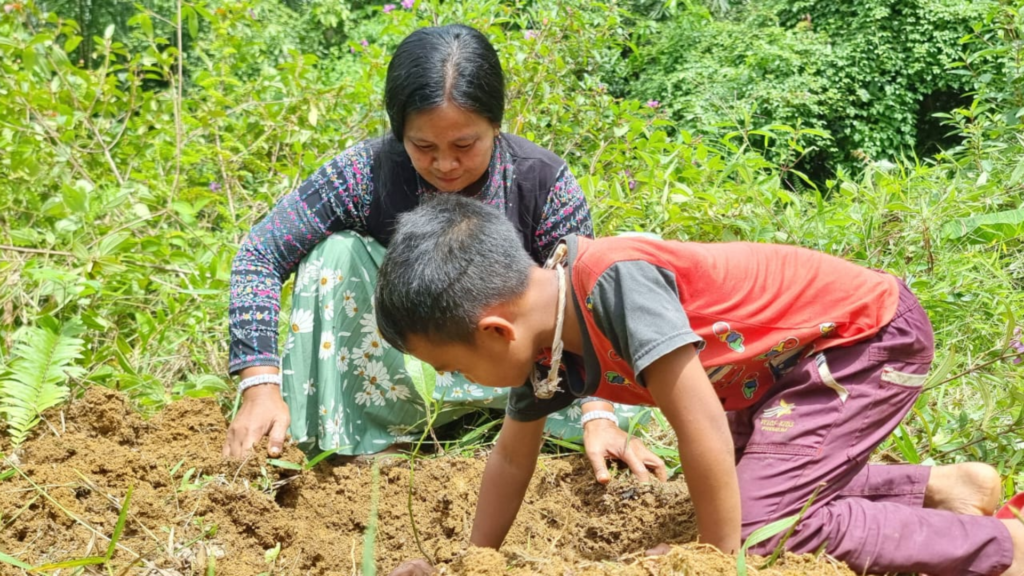
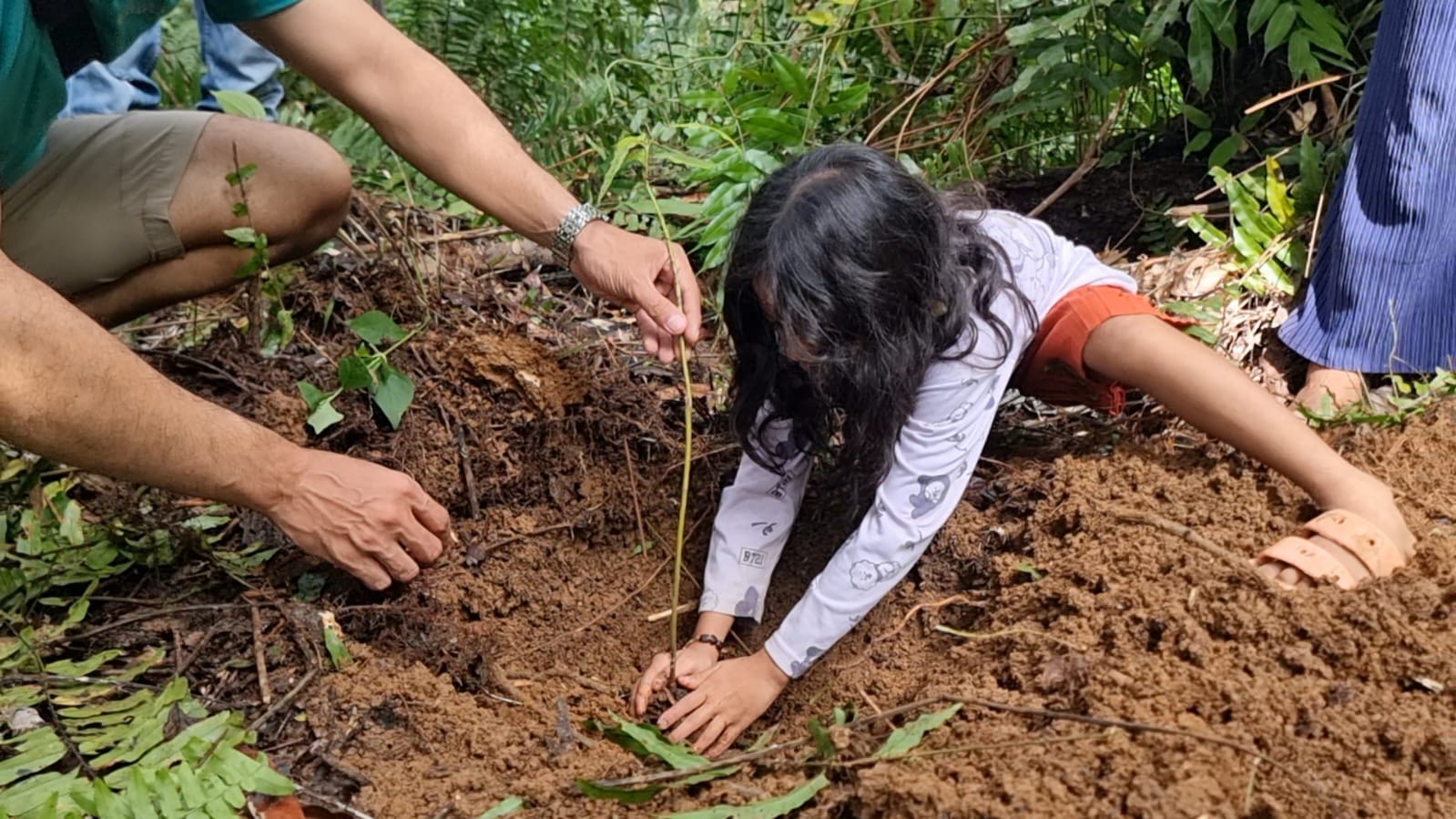
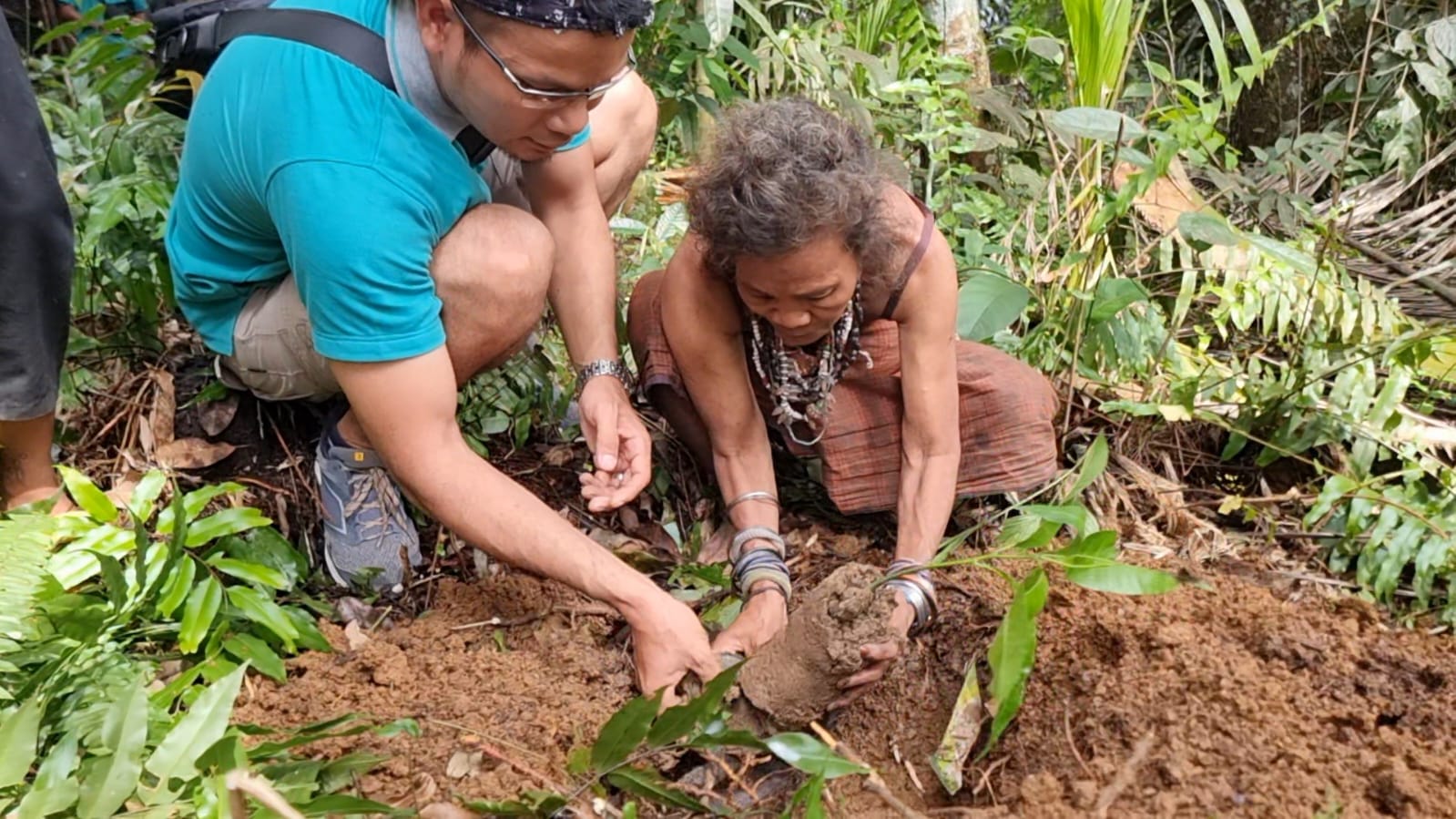
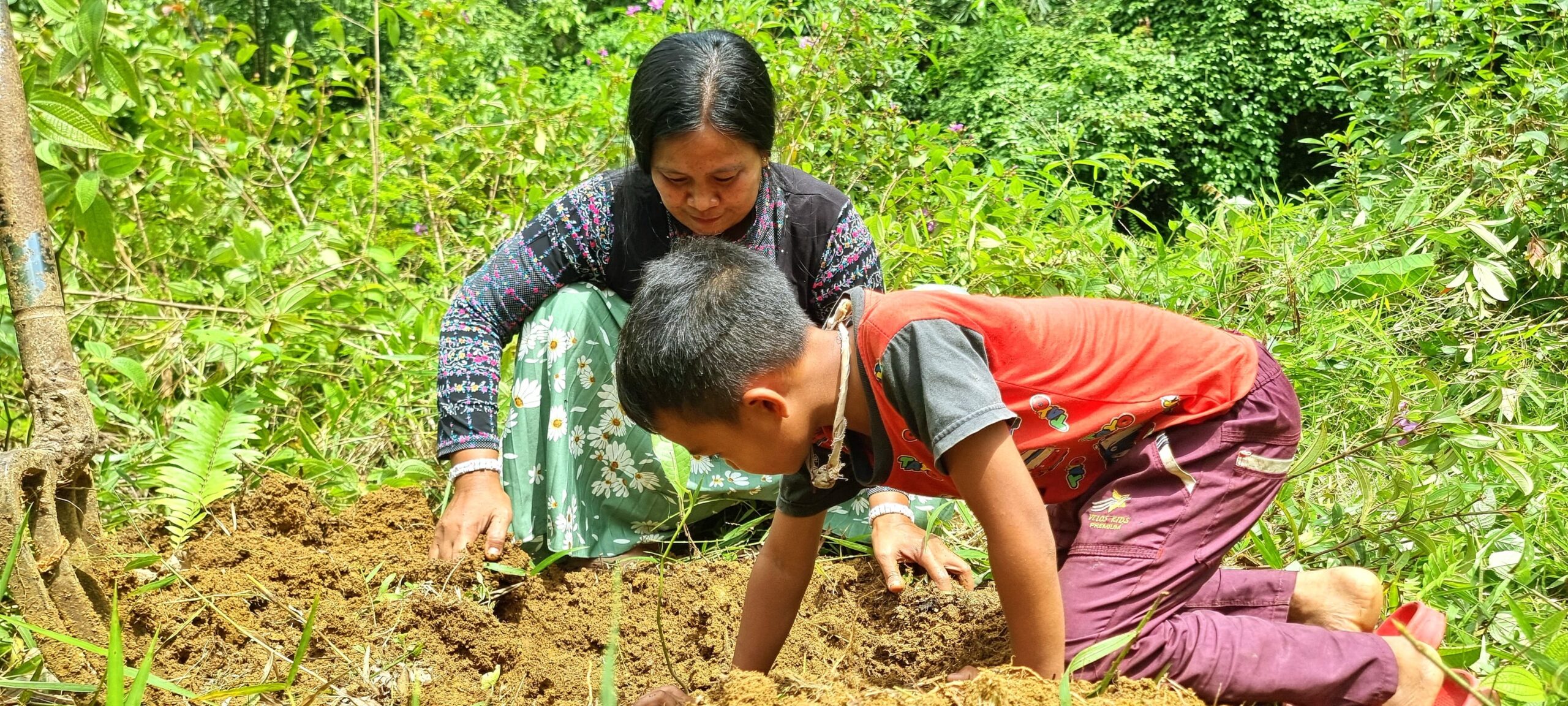
After many talks with different groups, including Tumenggung, the leaders of Indigenous SAD communities, DEEP EnGender turned plans into action with a program called "re-grow." This program was made to bring real help. As part of it, they visited three areas where SAD groups lived. During these visits, they planted fruit trees like avocado, mango, and matoa. The goal was to support the Indigenous SAD communities in caring for their environment and to help them get more food.

Lorem Ipsum has been the industry's standard dummy text ever since the 1500s.


The importance of the "re-grow" program was more than just planting trees; it was a complete way to help the communities grow. The team made sure to include the SAD groups in every step of the planting process. They worked together, and the communities took an active part. This plan helped the program succeed and gave the Indigenous communities a feeling of ownership and strength.

Lorem Ipsum has been the industry's standard dummy text ever since the 1500s.


We built partnerships with local leaders and a SAD teacher to work more closely with the SAD communities. We visited their living areas often and held regular learning sessions. During these sessions, we shared important information and worked to build strong trust with the communities. By combining helpful actions with regular education, we aimed to make a lasting difference in the lives of the Indigenous SAD communities.

Lorem Ipsum has been the industry's standard dummy text ever since the 1500s.

“Re-Grow” Initiative Read More »

Synergizing Multisector Collaboration

Lorem Ipsum has been the industry's standard dummy text ever since the 1500s.

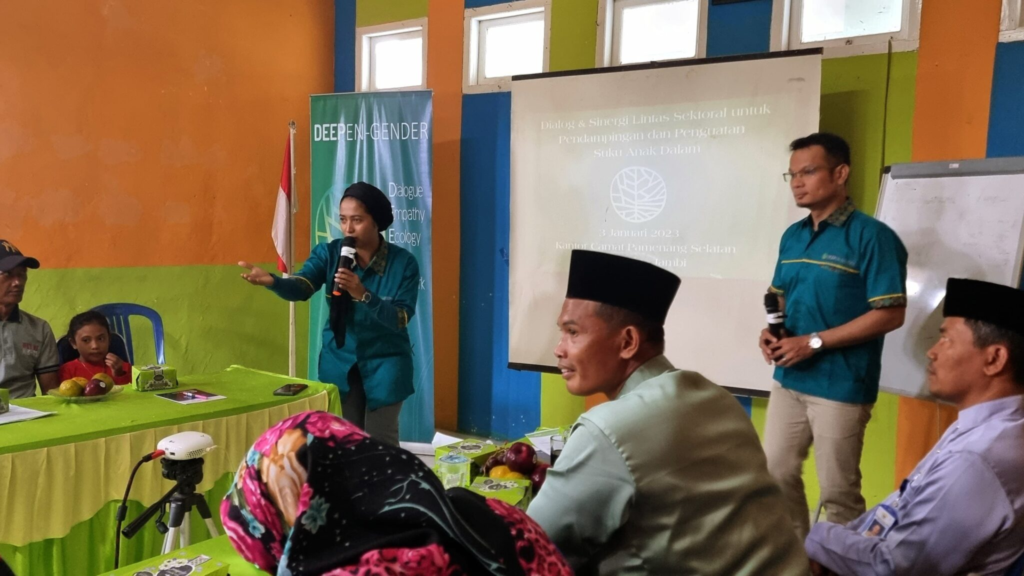
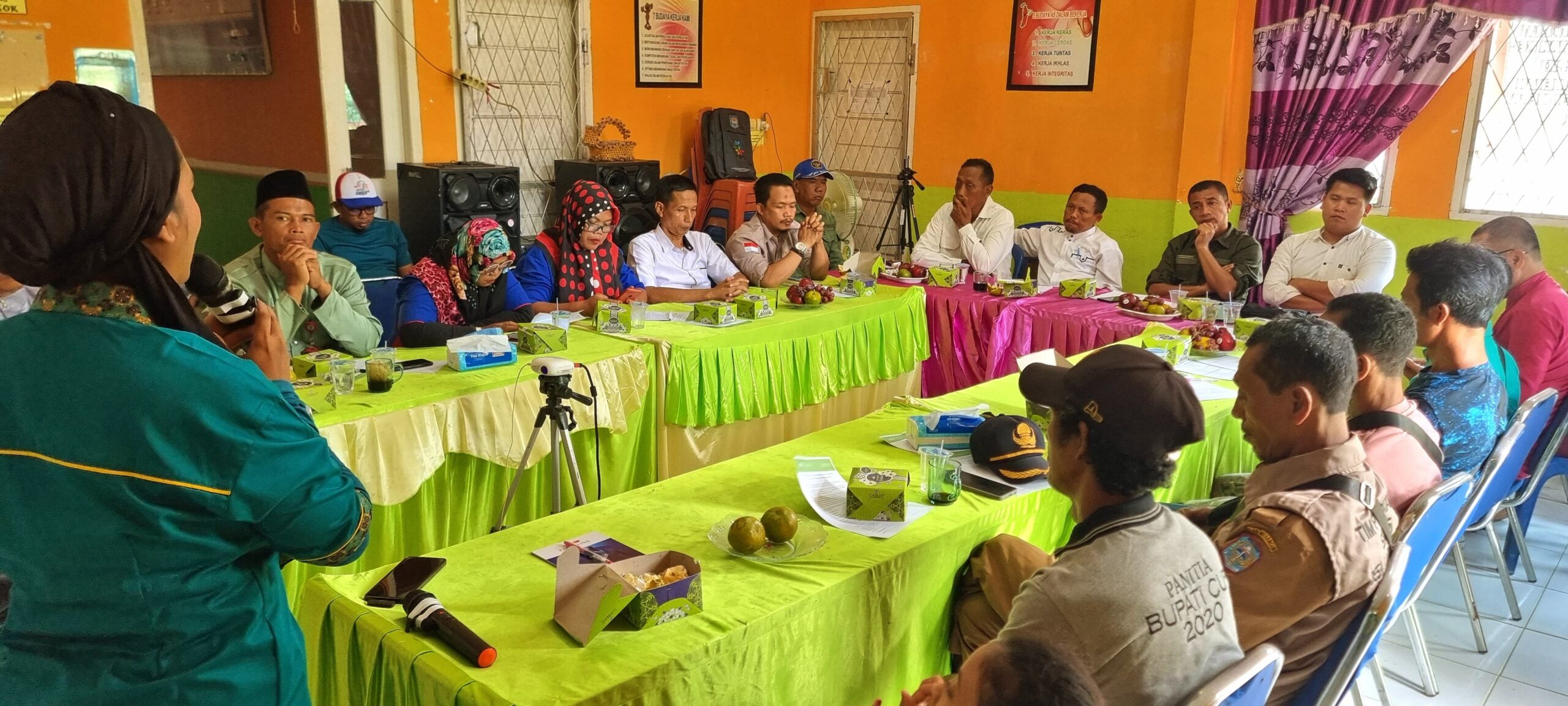
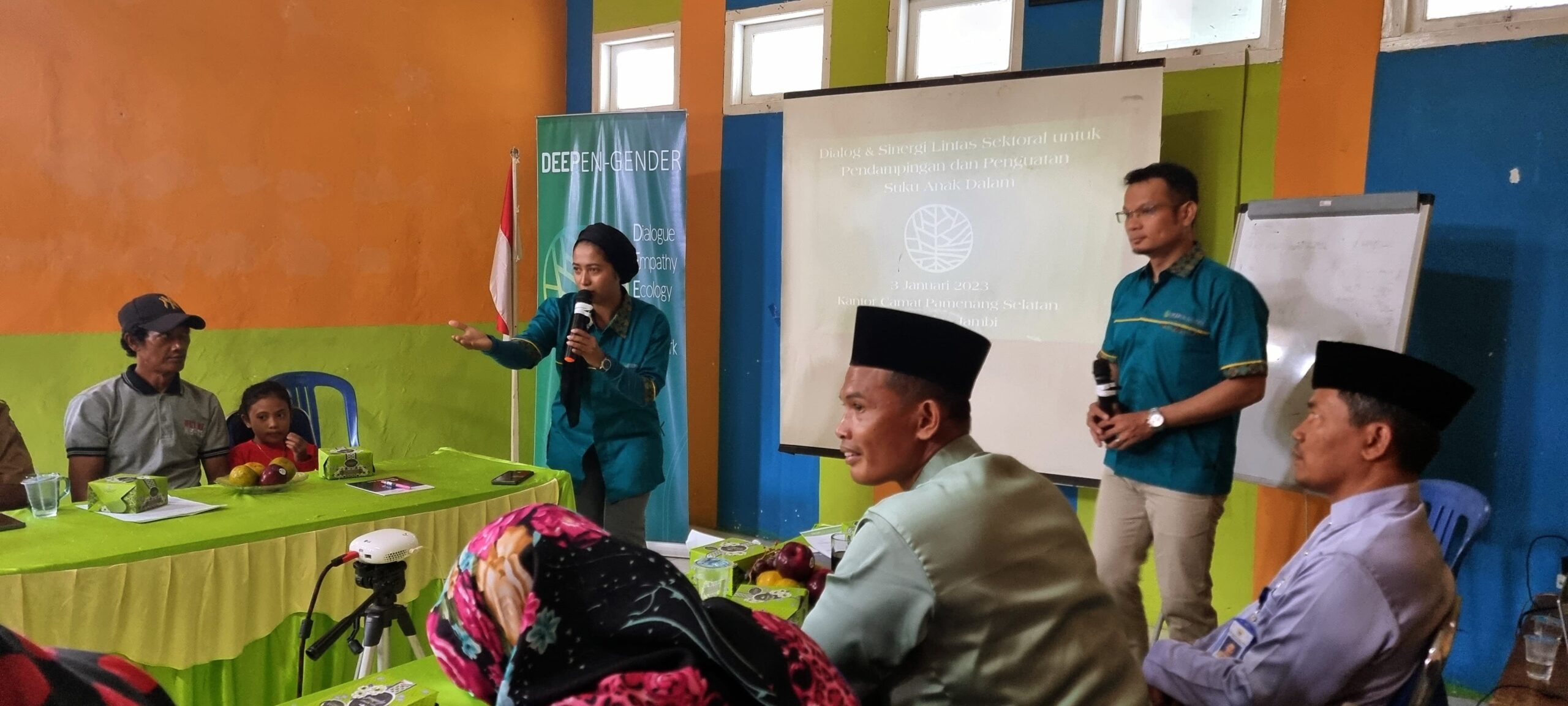
Dialogue Towards Synergizing Multisector Collaboration to Enhance Indigenous Suku Anak Dalam Livelihood 

In Pamenang Selatan, Merangin District-Jambi, on January 3rd, 2024, DEEP EnGender held an important meeting to encourage teamwork between different sectors. These included leaders from the Indigenous Suku Anak Dalam (SAD), represented by five Tumenggung (SAD leader), six Village Chiefs, and representatives from the government sectors of Agriculture, Forestry, Health, Social Services, Community Empowerment, and Education. Local community members also joined, creating a strong and diverse group. This meeting went beyond formal talks and was a real effort to work together as a group. The main goal was clear: to coordinate actions in different areas, focusing on important issues like food security and restoring the environment. It was more than just following rules; it showed a shared promise to care for the community and the environment. The talks were lively and full of energy, with the Tumenggung, Chiefs, and ministry officials sharing ideas actively. They discussed both problems and opportunities, showing a strong and meaningful exchange. Each person’s voice was important, representing the hopes of the community and the need to care for the environment.    

Lorem Ipsum has been the industry's standard dummy text ever since the 1500s.

This teamwork led to a clear action plan: starting a pilot project. The plan focused on planting fruit trees in carefully chosen villages where the Indigenous SAD lived. This project was more than just farming; it stood for growth, sustainability, and working together.

The decision-making process was active, like planting a seed in the soil of Pamenang Selatan. This seed was meant to grow into real, positive change. Choosing the pilot project was not only a smart step but also a strong statement of the goal to improve the land and people’s lives.

Lorem Ipsum has been the industry's standard dummy text ever since the 1500s.

DEEP EnGender, leading this important project, did not stop there. With the support of many groups, the organization showed its strong commitment to helping the Indigenous SAD in a lasting way. This promise was not short-term but a long-term effort to build community strength, share knowledge, and support independence.

Lorem Ipsum has been the industry's standard dummy text ever since the 1500s.

 Date: January 3, 2024

Synergizing Multisector Collaboration Read More »

Indigenous wisdom for food sustainability

Lorem Ipsum has been the industry's standard dummy text ever since the 1500s.

Deep in the palm fileds of Merangin District, Jambi, the Suku Anak Dalam have honed the art of food sustainability for generations. During our fieldwork from December 14 to 27, 2023, we had the rare opportunity to witness their remarkable ability to sustain themselves using indigenous knowledge passed down through time. Their approach to food isn’t just about survival—it’s about maintaining a balance between nature and community.

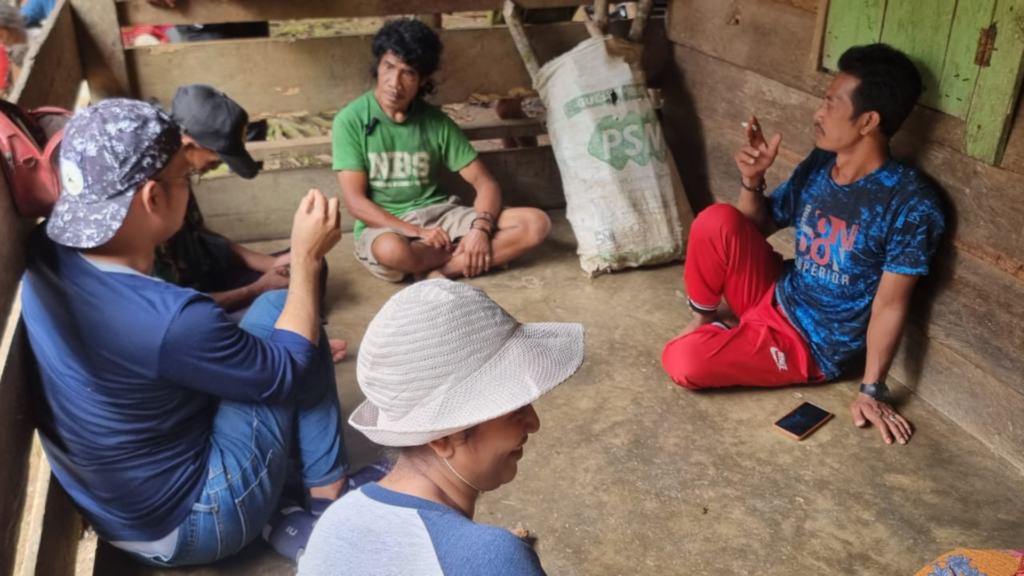
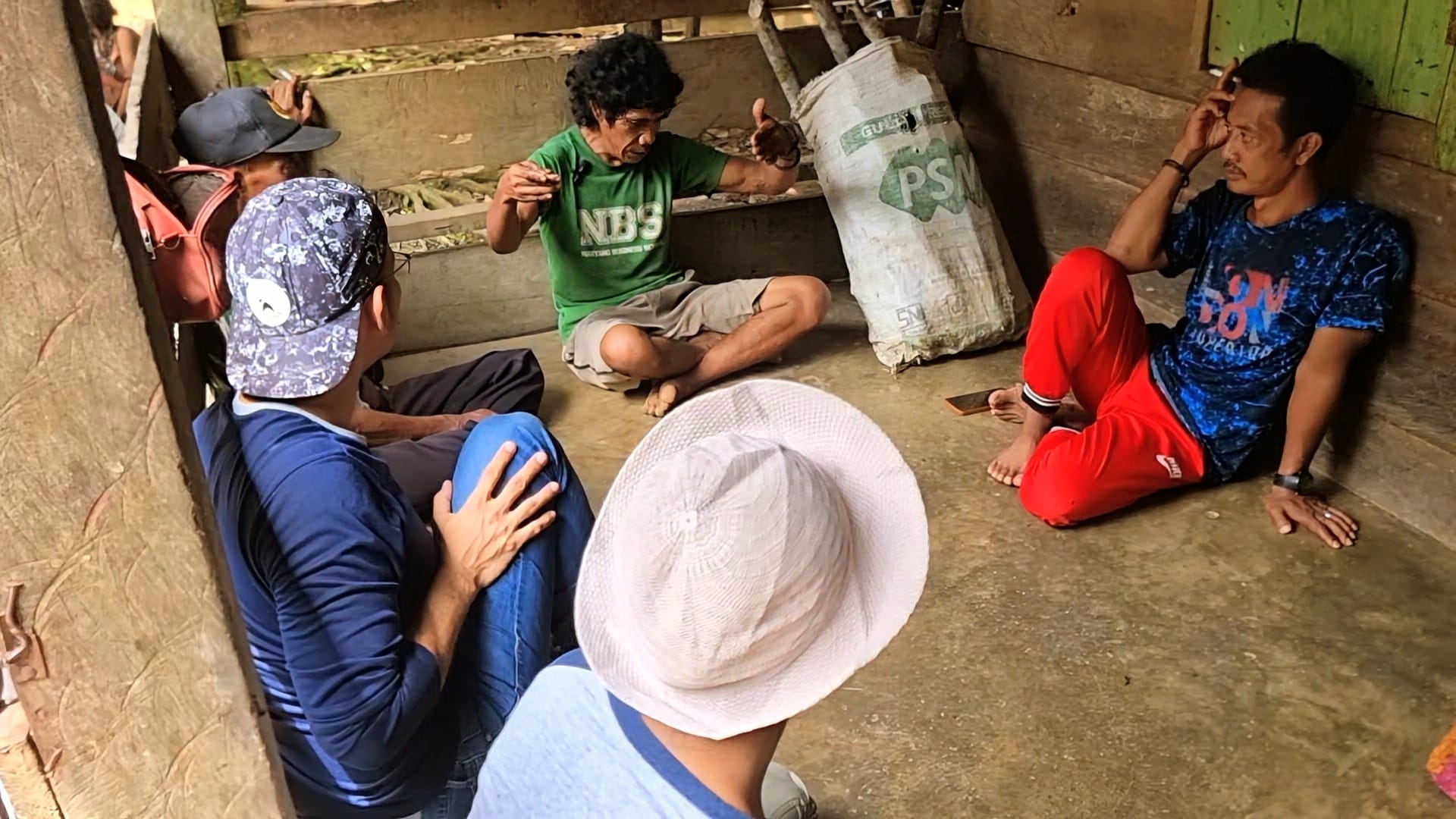
One of the most striking moments of our visit was sitting inside a traditional wooden hut, where an elder passionately explained the principles of foraging, hunting, and cultivating native crops. His animated storytelling wasn’t just about food; it was about harmony with the land. These lessons, shared orally from generation to generation, ensure that the community’s food system remains resilient and self-sufficient.

Lorem Ipsum has been the industry's standard dummy text ever since the 1500s.

Unlike modern food systems, where individual ownership often prevails, the Suku Anak Dalam operate through a deeply communal approach. Food belongs to everyone, reinforcing sustainability through collective effort, shared knowledge, and equitable distribution. Women, elders, and children all play a role in food preparation and management, ensuring that no one goes hungry.

Lorem Ipsum has been the industry's standard dummy text ever since the 1500s.

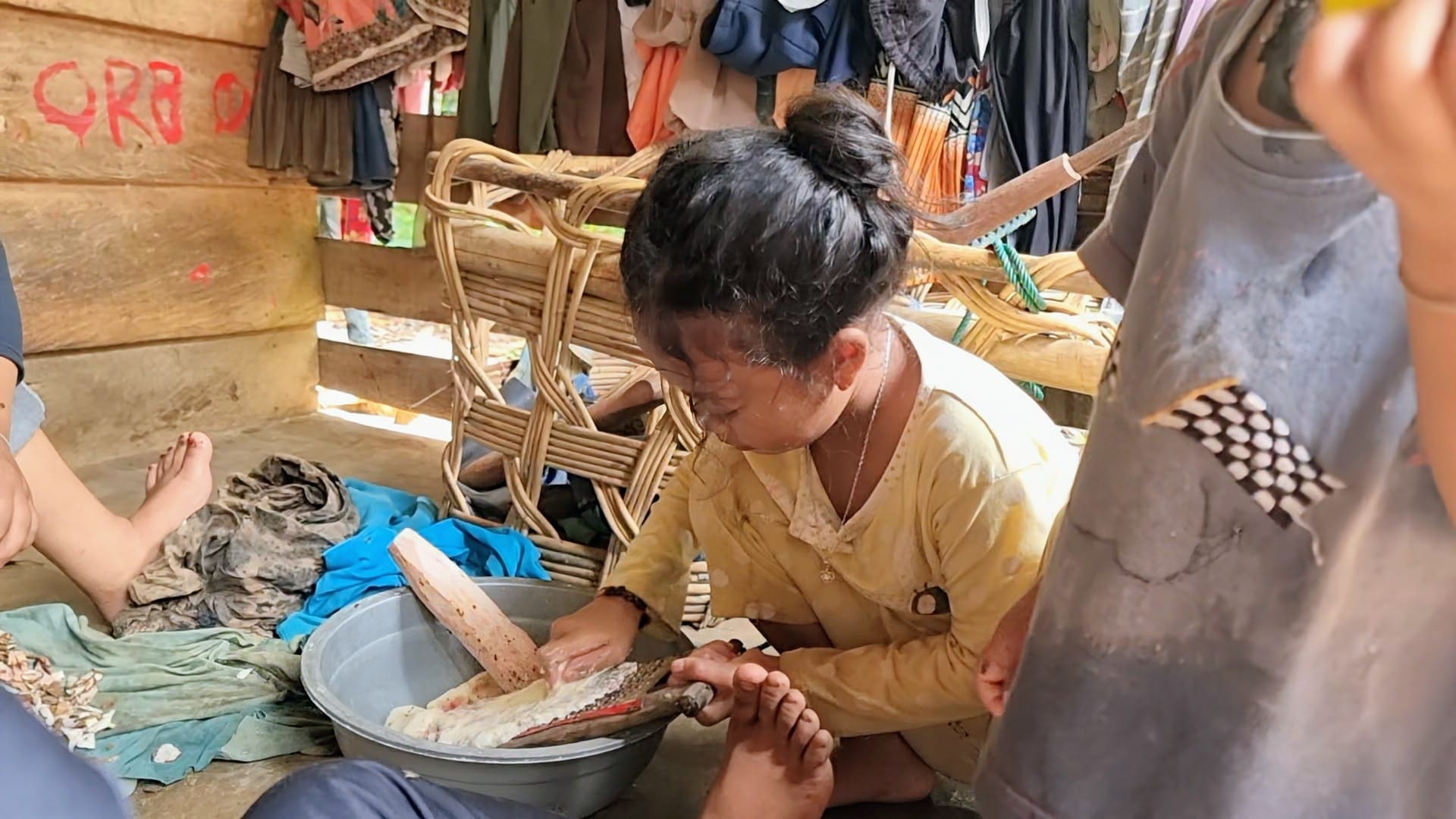
A striking example of sustainability in action was a young girl skillfully grating cassava—a staple food. At just ten years old, she already possessed valuable knowledge of food processing, ensuring that cassava is preserved through drying and fermentation. These techniques prevent waste, extend food availability, and fortify the community’s food security, especially during scarce seasons.

Lorem Ipsum has been the industry's standard dummy text ever since the 1500s.

One of the most fascinating aspects of the Suku Anak Dalam diet is their reliance on wild and naturally resilient crops. We observed their use of wild yam and cassava, foods that grow abundantly in the forest without the need for fertilizers or pesticides. These plants provide essential nutrients and are a testament to the community’s deep ecological knowledge. Their ability to thrive without external intervention makes them a powerful model for sustainable agriculture.

In a world increasingly challenged by food insecurity, climate change, and environmental degradation, the wisdom of the Suku Anak Dalam offers a blueprint for resilience. Their food system, built on nature’s rhythm, traditional wisdom, and communal values, stands as a powerful reminder that sustainability is more than just a concept—it’s a way of life.

As modern societies seek sustainable solutions, there’s much to learn from these indigenous communities. By respecting traditional knowledge and embracing eco-friendly food practices, we can move toward a future where food isn’t just consumed—it’s truly understood.

Fieldwork Location: Merangin District, Jambi

Research Period: December 14-27, 2023

Focus: Traditional food sustainability of the Suku Anak Dalam
Indigenous wisdom for food sustainability Read More »

Scroll to Top