The Youth-Inclusive Learning Academy (YILA Academy) is a regional initiative dedicated to strengthening inclusive education, ecological literacy, and peacebuilding among youth in Southeast Asia. Conceptualized under DEEP EnGender in 2025, YILA Academy provides a co-learning space for young people aged 16–25, particularly those from marginalized and underrepresented communities, to co-generate knowledge, share lived experiences, and develop community-based responses to social, ecological, and peace-related challenges.
Building on this foundation, the YILA Academy Special Batch 2026 is implemented as part of the Rotary Peace Fellowship Social Change Initiative (SCI), with support from Rotary International and the Otto & Fran Walter Rotary Peace Center at Bahçeşehir University. Through this collaboration, YILA Academy aligns its youth-led learning model with the Positive Peace Framework and Rotary’s global peacebuilding agenda.
Why This Programme Matters
Across Southeast Asia, young people continue to face overlapping structural challenges, including limited access to quality education, restricted civic participation, economic precarity, and the uneven impacts of climate change. These conditions are further intensified in conflict and post-conflict contexts, where social trust is fragile and opportunities for intercultural dialogue remain limited.
YILA Academy responds to these realities by reframing education as a relational and peace-oriented process. Rather than treating learning as purely technical or outcome-driven, the programme emphasizes empathy, communication, ethical reflection, and dialogue as foundational capacities for sustaining peace and social cohesion. Youth are positioned not as passive beneficiaries, but as active partners in shaping knowledge, narratives, and collective action.
Programme Overview and Structure
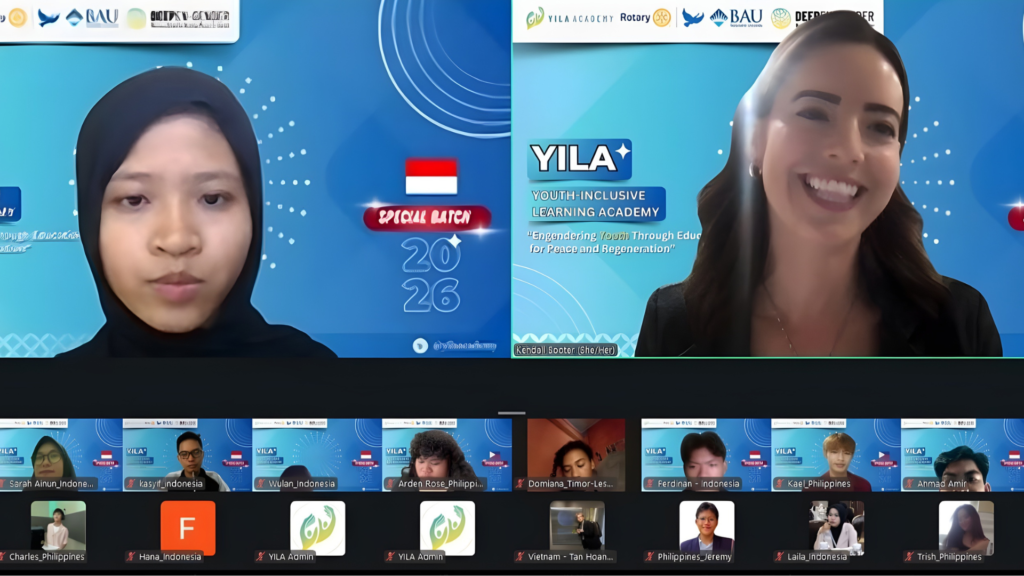
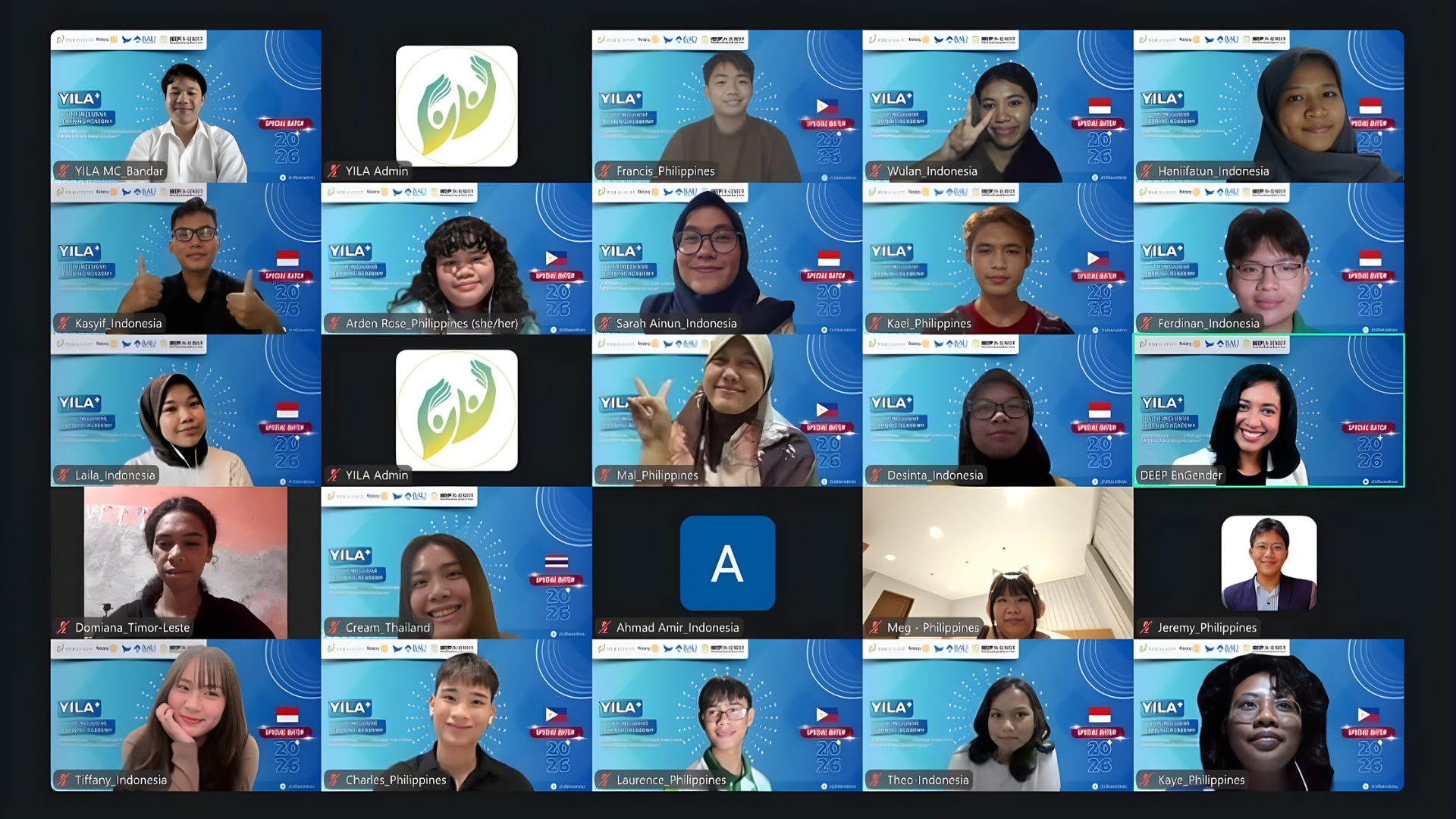
The YILA Academy Special Batch 2026 brings together 30 youth participants aged 16–25 from Southeast Asia and officially began on 17 January 2026. The programme consists of 10 structured online sessions, designed as an integrated learning journey combining dialogue, practice, and reflection.
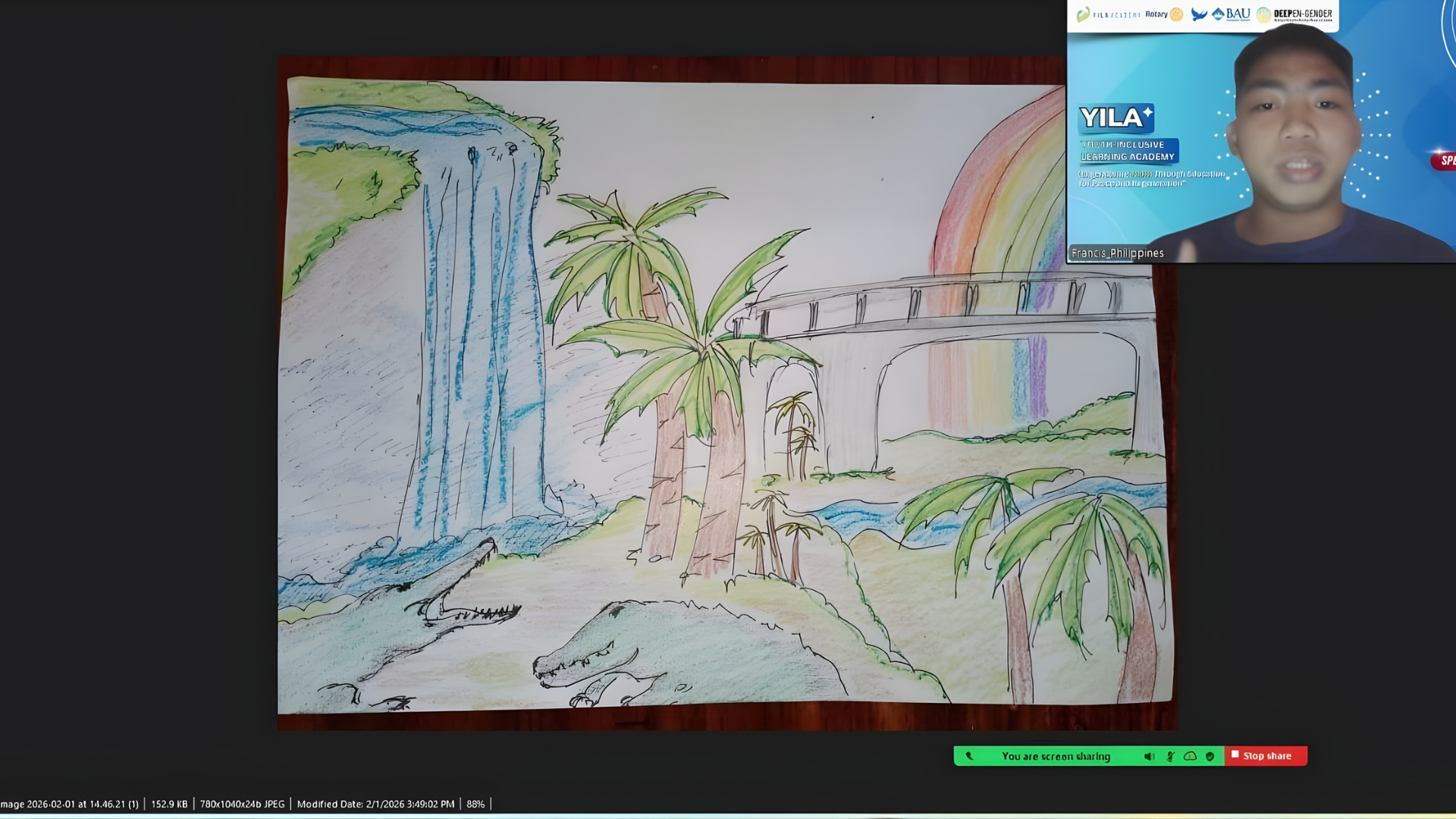
A significant portion of the programme is dedicated to storytelling, which receives the largest share of learning time across the ten sessions. Storytelling is treated not merely as a communication technique, but as a peacebuilding practice that supports empathy, voice, ethical awareness, and intercultural understanding. Through story listening and story sharing, participants learn to articulate lived experiences, recognize difference without hierarchy, and build trust across social and national boundaries.
The opening remarks were delivered by Prof. Nilüfer Narlı, Chair of the Department of Sociology and Director of the Center for Society, Health, Behaviour and Preventive Studies at the Otto and Fran Walter Rotary Peace Center, Bahçeşehir University (Istanbul, Türkiye).
Mentors and Learning Facilitation
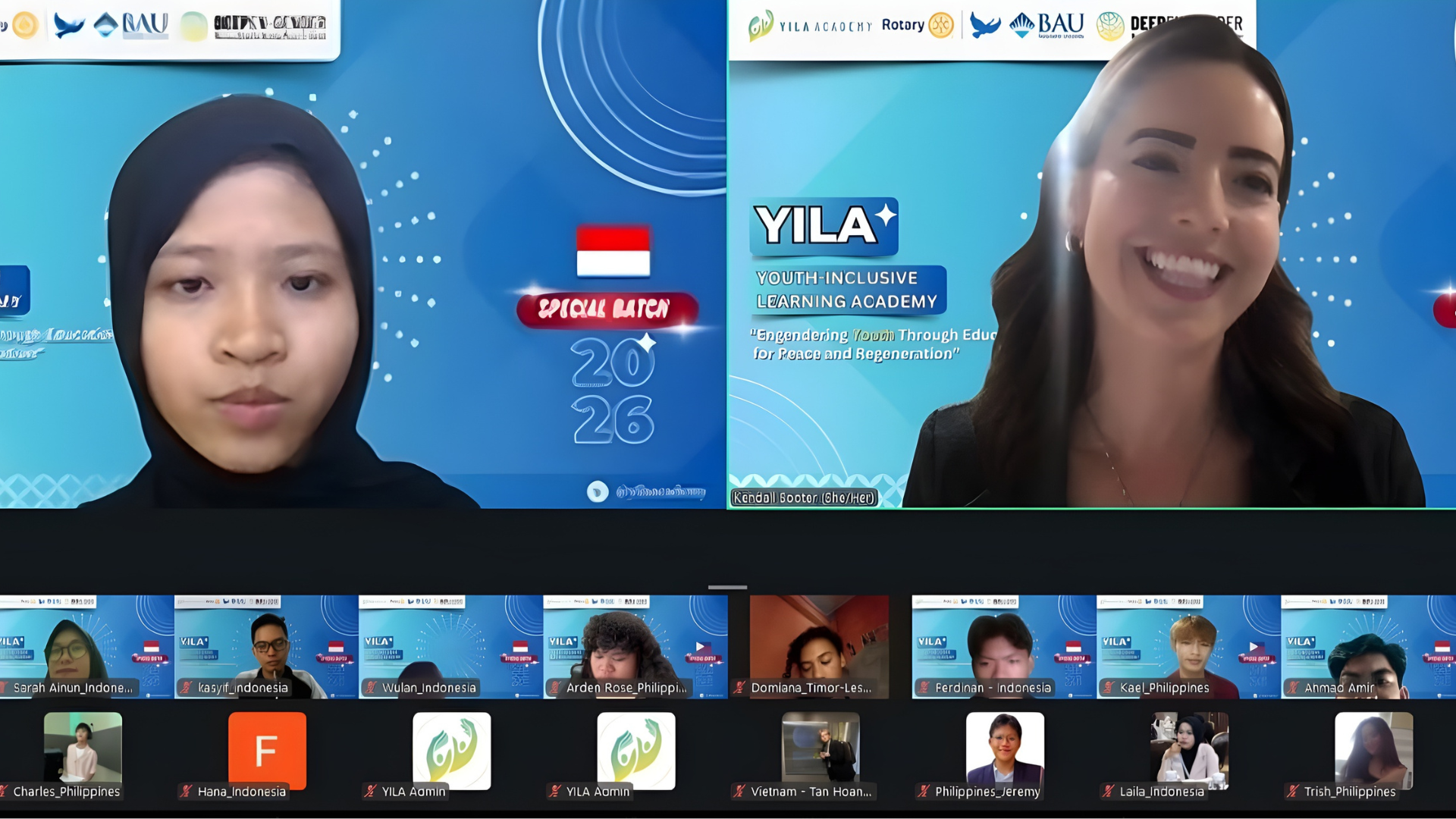
The Special Batch features guest mentor sessions that strengthen participants’ practical communication and leadership capacities. Kendall Sooter, a tenured professor of Communication Studies and Environmental Science and Engineering at Cabrillo College (California, USA), leads a dedicated session on the art of storytelling, focusing on narrative clarity, ethical voice, and public meaning-making.
Simran Rawat, Global Environments Networks (GEN) Programmes Lead and Communications Liaison at Global Diversity Foundation, facilitates a session on public speaking, supporting participants to communicate confidently, responsibly, and persuasively in public and civic spaces.
Most sessions are led by Anna Christi Suwardi, PhD, FHEA, YILA Academy mentor and Rotary Peace Fellow, ensuring continuity, reflective facilitation, and a safe learning environment grounded in inclusive and dialogical pedagogy.
Learning Focus and Expected Outcomes
Across its ten sessions, YILA Academy Special Batch supports participants in developing capacities that extend beyond the programme itself. These include:
- empathic communication and nonviolent engagement
- storytelling and story listening as tools for peace and social understanding
- intercultural dialogue across diverse identities and contexts
- ecological awareness connected to lived experience and responsibility
- youth-led initiative design that translates learning into community action
The emphasis on storytelling throughout the programme enables participants to connect personal narratives with broader social and ecological realities, strengthening both individual confidence and collective awareness.
Connection to Positive Peace and the SDGs
As a Social Change Initiative within the Rotary Peace Fellowship framework, the Special Batch contributes directly to SDG 4 (Quality Education) by advancing inclusive, participatory, and values-based learning. It supports SDG 13 (Climate Action) by fostering ecological literacy and narrative-based engagement with climate realities. It also advances SDG 16 (Peace, Justice, and Strong Institutions) by strengthening youth participation, intercultural trust, and everyday peace practices.
The programme reflects the Positive Peace approach developed by the Institute for Economics and Peace, particularly in its focus on human capital development, acceptance of others’ rights, and constructive relationships across communities.
Looking Ahead
YILA Academy Special Batch 2026 represents an important step in expanding youth-led peace education that is grounded, relational, and action-oriented. Through its ten-session structure, strong emphasis on storytelling, and regional diversity of participants, the programme strengthens a growing network of young people committed to inclusive education, ecological responsibility, and positive peace in Southeast Asia.
Beyond the cohort, YILA Academy continues to build sustainability through alumni networks, shared learning resources, and community-based replication of dialogue and storytelling practices. In this way, YILA Academy is not only a programme, but an evolving platform for youth to practice peace through empathy, communication, and collective action.