When Music Becomes a Space for Knowledge, Gender, and Resistance
What happens when music becomes more than something we listen to?
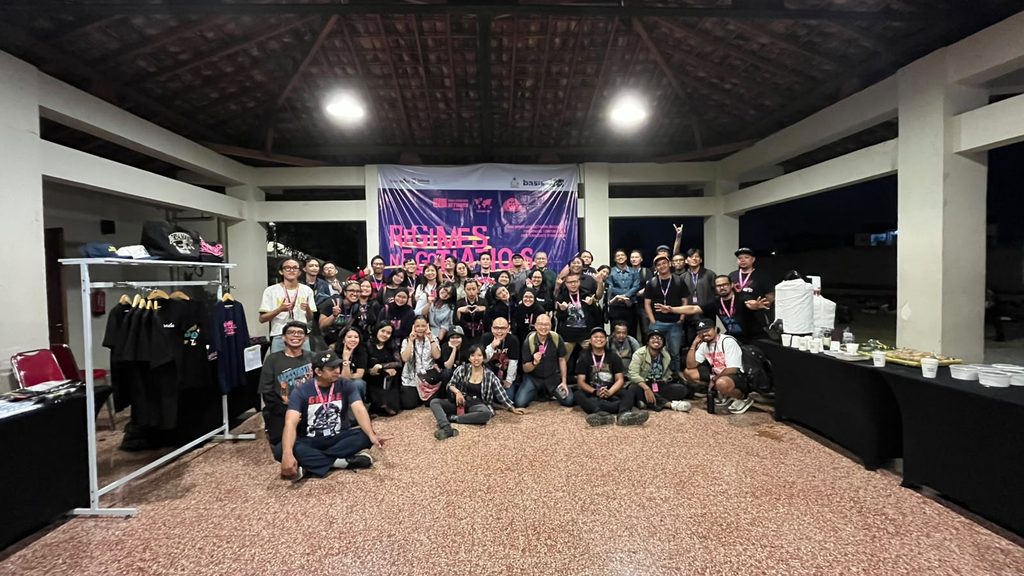
This question emerged from the recent participation of Jawahirus Saniah, DEEP EnGender Researcher, in the Punk Scholars Network (PSN) and IASPM SEA Conference. The conference brought together scholars and cultural practitioners working across popular music, culture, identity, gender, peace, and ecology.
For DEEP EnGender, the conversations offered useful ways to think about how music can become a space for producing and transmitting knowledge.
Exploring Gender Through Popular Music
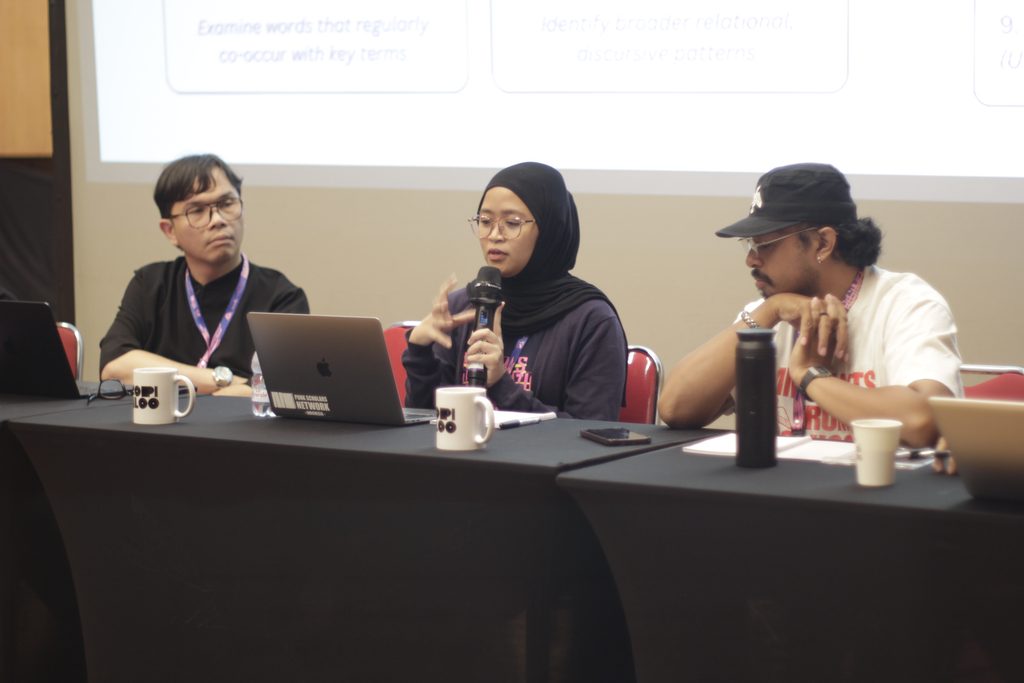
In the Timurnesia panel, Saniah presented research on Bugis-Makassar popular songs and how men negotiate masculinity through the cultural concept of siri’. The presentation placed popular music alongside broader discussions of identity, peace, and gender in Eastern Indonesia.
Other presentations explored how music travels across geographical boundaries and how regional identity is continually shaped through popular culture. Yosia Pongohi, for example, discussed the circulation of East Nusa Tenggara popular music through digital platforms and its movement into the national music industry.
Yogie Mofun examined rap as a medium for peacebuilding among young people in post-conflict Ambon. Together, the presentations showed how popular music can provide a way to examine identity, social relationships, and cultural negotiations that are often difficult to capture through conventional categories.
Music, Ecology, and Resistance
One of the conference discussions that connected strongly with DEEP EnGender's work was the use of music in ecological resistance.
A study of Wiji Kendeng examined how young followers of the Samin tradition used tembang macapat alongside punk music in their resistance to cement factory expansion in the Kendeng Mountains. Traditional and contemporary musical forms became part of a wider struggle over land, identity, solidarity, and ecological futures.
This resonates with DEEP EnGender's interest in local ecological knowledge and cultural practices. Music can carry memories and knowledge across generations, while also creating solidarity around environmental struggles.
The discussion also connects with Saniah's ongoing research on women's singing as a practice of care and ecological knowledge transmission among the Bugis community. Singing can be understood as a practice through which relationships with people, places, and environments are remembered and transmitted.
Expanding How We Listen
The conference also raised questions about inclusion. For Deaf communities, music can be experienced through vibration, lyrics, and visual forms. This challenges narrow assumptions about what it means to experience music and reminds us that accessibility is also part of knowledge production.
The Visual Ethnography Workshop offered another way to think about this question. Its central idea, "When words can't tell, pictures will," opened possibilities for using photographs, drawings, and videos as forms of knowledge rather than simply illustrations.
For DEEP EnGender, these approaches can expand the meaning of dialogue by creating more ways for communities to communicate their experiences and knowledge.
A Little Bit Punk
Perhaps the most unexpected takeaway was the connection between the spirit of punk and DEEP EnGender.
Punk's emphasis on critical thinking, equality, grassroots knowledge, and questioning established structures resonates with a research practice that values community knowledge and interdisciplinary collaboration.
Perhaps, alongside being fun, DEEP EnGender can also be a little bit punk. 🤘
When Music Becomes a Space for Knowledge, Gender, and Resistance Read More »