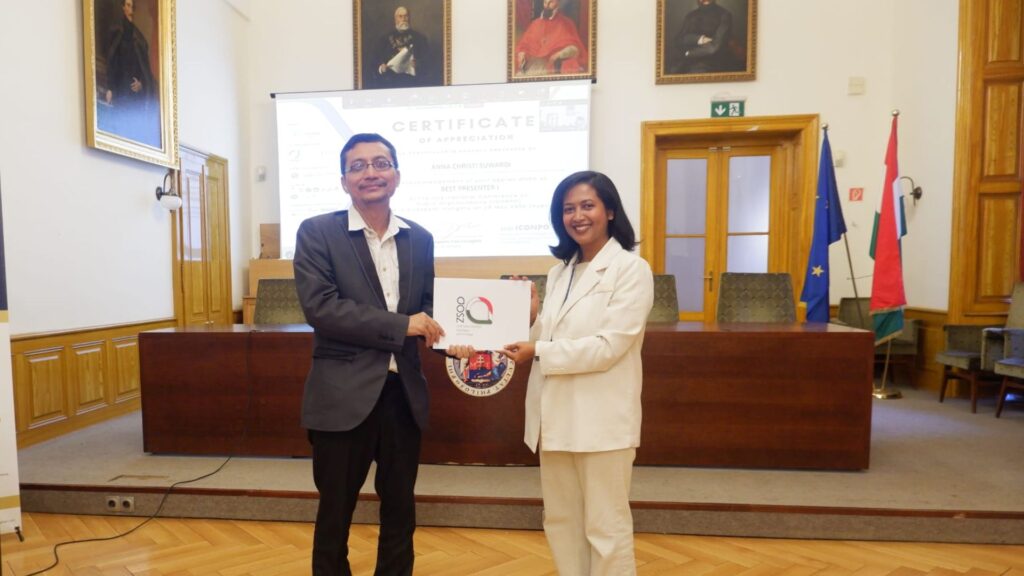
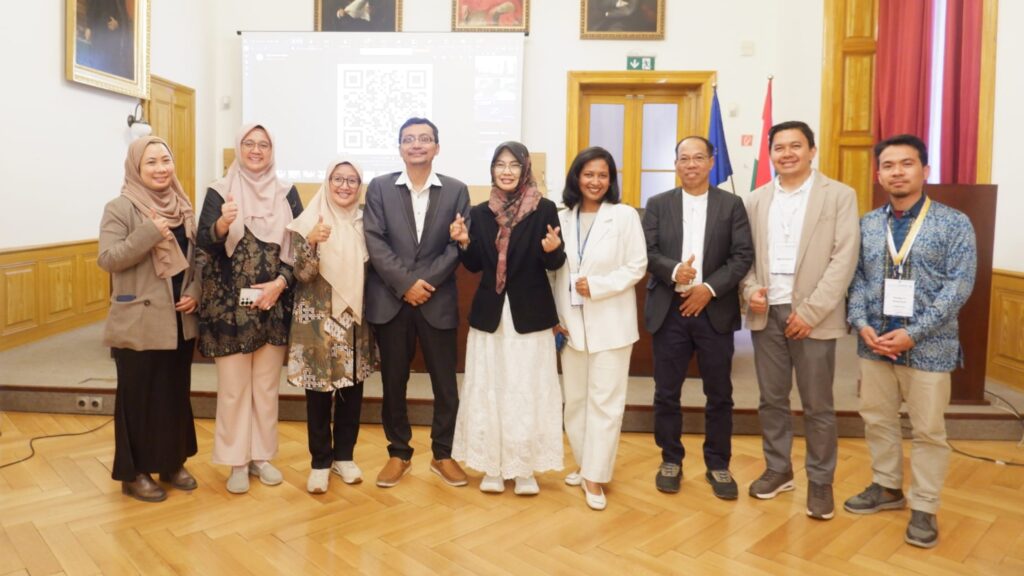
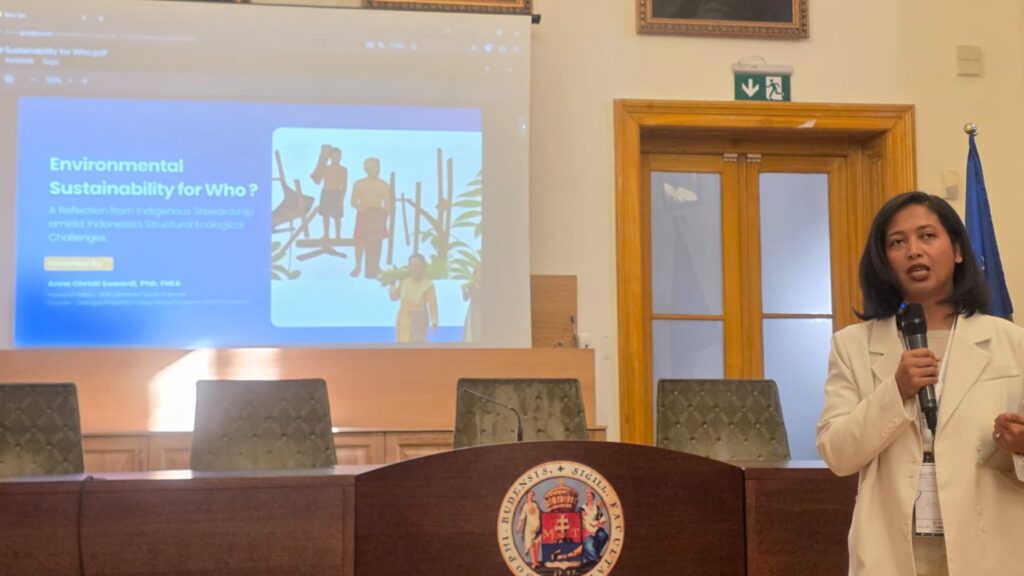
On May 28, 2026, our Founder and Chairperson, Dr. Anna Christi Suwardi, represented DEEP EnGender at the 15th International Conference on Public Organization (ICONPO 2026), held at Eötvös Loránd University (ELTE) in Budapest, Hungary. The conference brought together scholars, researchers, and practitioners from diverse backgrounds to exchange perspectives on technology, green energy, and environmental sustainability.
During the conference, Dr. Suwardi presented her paper titled “Environmental Sustainability for Whom?” Drawing from Indonesia’s ecological realities, the presentation challenged technocratic approaches to environmental governance and emphasized that ecological restoration is not only about ecosystems, but also about repairing relationships between people, land, knowledge, and governance.
The presentation explored Indigenous stewardship and community-based knowledge as important foundations for addressing Indonesia’s structural ecological challenges. It highlighted how sustainability is deeply connected to questions of justice, recognition, care, and the lived experiences of communities who continue to protect and sustain their environments.
The conference brought together more than 70 international presenters from diverse disciplinary backgrounds, creating opportunities for meaningful exchange on environmental governance, sustainability, and social transformation. Through discussions with fellow participants, Dr. Suwardi reflected on the importance of placing local knowledge and community voices at the center of environmental solutions.
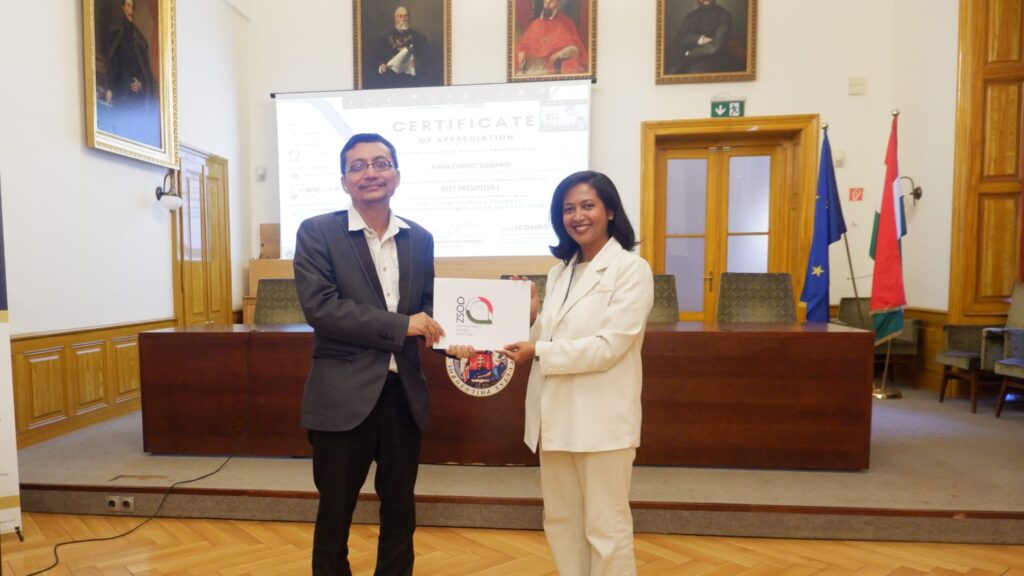
We are proud to share that Dr. Anna Christi Suwardi was awarded Best Presenter at ICONPO 2026, recognizing the significance and impact of her presentation among an international audience.
Participation in ICONPO 2026 strengthens DEEP EnGender’s commitment to advancing research and dialogue on ecological justice, Indigenous perspectives, and community-based knowledge systems. We believe that meaningful environmental futures can only be built when sustainability is approached not merely as a technical challenge, but as a collective responsibility grounded in justice, relationships, and care.
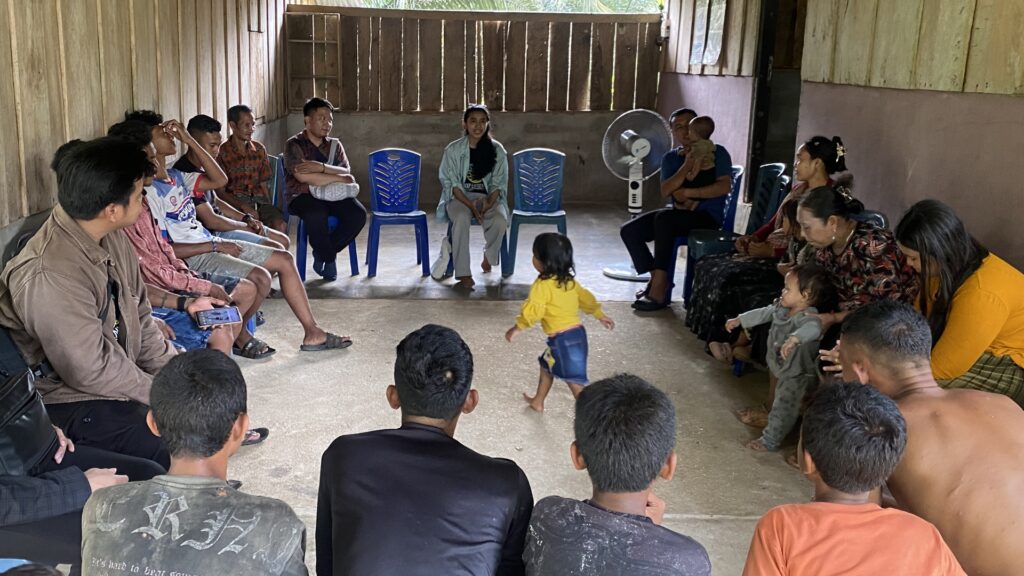
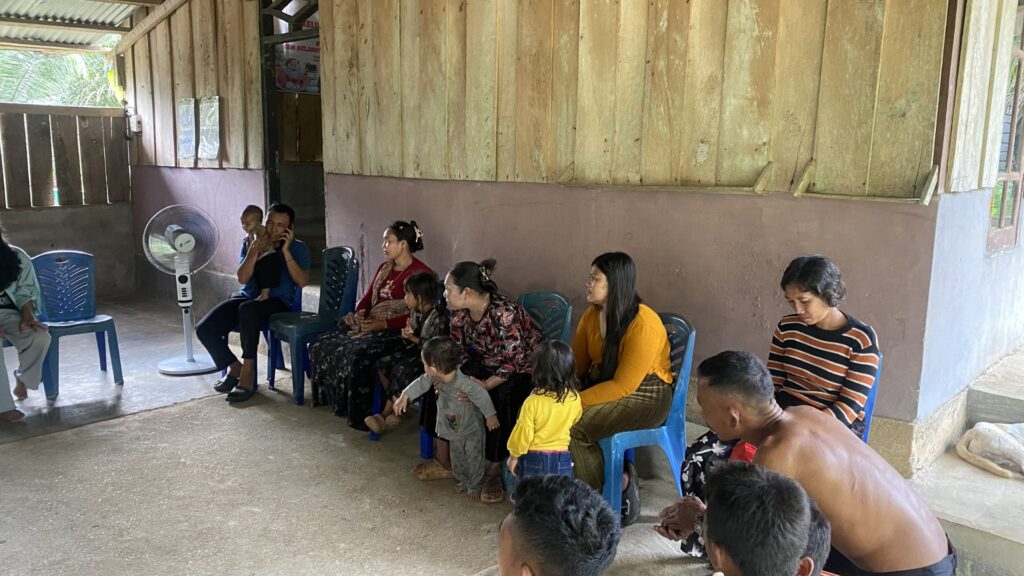
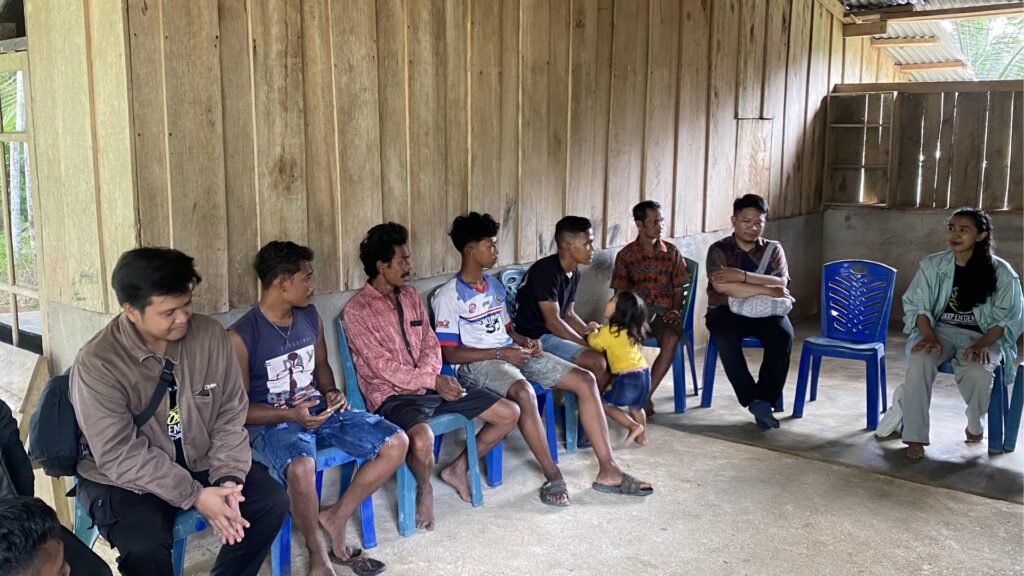
Who decides what people eat when the forest can no longer decide for them? This question guided our time sitting together in a circle in Jambi, where DEEP EnGender researchers, a SAD facilitator, village officials from Lantak Seribu, the Tumenggung, the Induk SAD, and community members gathered without hierarchy. People began by speaking about what has changed. Hunting, once reliable, is no longer certain. Forest paths have disappeared or become inaccessible. These were not framed as problems to be quickly solved, but as realities to be collectively understood. As the discussion deepened, women’s voices shifted the focus toward everyday life such as what is cooked, what is accepted, what children will eat, and what remains possible.In that moment, food becomes something grounded in care, practice, and continuity.
No one rushed to offer solutions. The facilitator, Mas Trophy, held the flow of conversation, allowing pauses and returns. Representatives of village officials listened without directing, and our team followed rather than led. Authority moved within the circle, shared between customary leaders, women, and community members, each shaping the direction in their own way. Ideas emerged slowly, tested through discussion rather than imposed, ensuring that any path forward remained rooted in the community itself. What took shape is a way of deciding that values listening over instruction and collective reflection over speed. In the end, food sovereignty is not only about what is eaten, but about who has the power to decide, and in this circle, in this dialogue, that power is shared.
Highlights
Food sovereignty is shaped through collective decision-making, not imposed solutions.
The circle redistributes authority across community members, leaders, and women.
Everyday knowledge, especially from women, grounds what is possible.
Dialogue manifests a method, the process through which change takes form.
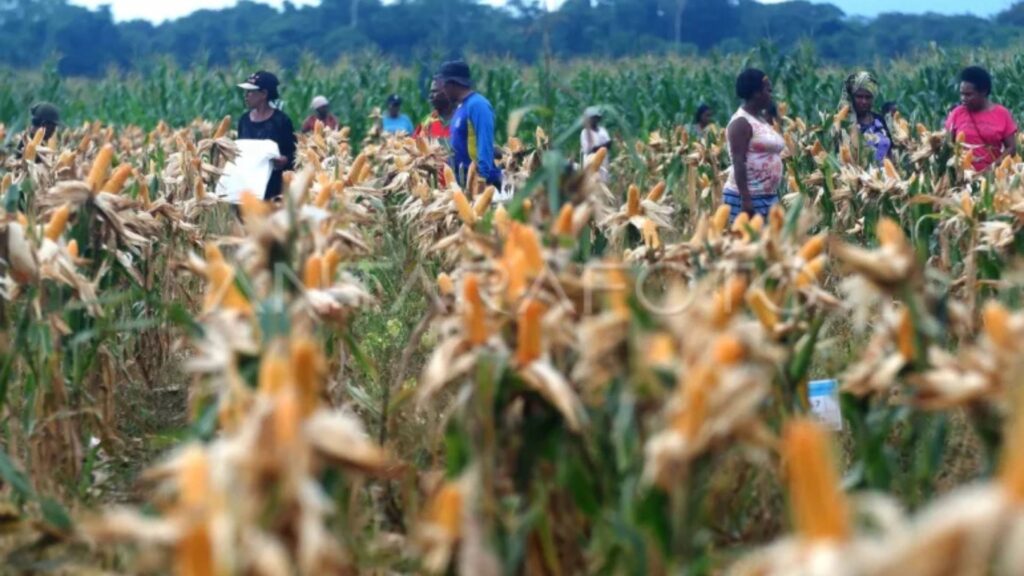
The article highlights the lived realities of Indigenous women in Papua as large-scale food estate projects framed as national food security solutions transform their sources of livelihood and everyday food systems. It brings attention to the experiences of mama Papua, whose survival has long depended on forests, sago, and locally rooted ecological knowledge.
It reveals a growing disconnect between state-driven development approaches and community-based food systems. While the government views land as a resource for maximizing production, Indigenous women understand it as a living space that provides food, medicine, and cultural continuity. This difference in perspective creates significant challenges when forests are cleared for monoculture agriculture.
The piece illustrates how these changes disproportionately impact women. As natural food sources become scarce, they must travel farther, spend more time securing food, and adapt to unfamiliar economic systems. This increases their workload while simultaneously eroding traditional systems that once ensured food sovereignty and community resilience.
Despite these challenges, the article underscores the vital role of Indigenous women as knowledge holders and caretakers of sustainable food systems. Their practices especially around sago and forest management offer alternative models that are more aligned with environmental balance and long-term resilience.
In the end, the article calls for a shift in how food security is understood and implemented. It emphasizes the need to recognize Indigenous women’s roles, protect ecological systems, and ensure that development policies are inclusive, just, and grounded in local realities.
Mr. Yorizal Tri Marzuki Gulo specializes in Public Administration focusing on community empowerment, gender-responsive governance, and digital innovation. His work explores inclusive education and women’s leadership through participatory approaches. He has authored articles and co-authored a book on women’s empowerment. Yorizal earned his Bachelor’s and Master’s degrees in Public Administration from Medan Area University and Lambung Mangkurat University, respectively.
The article tells the story of women in rural Balodano who sustain their households and communities through care work that often goes unseen and unrecognized. It brings forward lived experiences of women who, in the absence of stable male income due to migration, step into the role of primary breadwinners while continuing to carry the full weight of domestic responsibilities.
It highlights how these women navigate a “double burden,” balancing income-generating activities such as farming and informal work with unpaid care duties like childcare, elder care, and household management. Despite their central role in maintaining family wellbeing and local economies, their contributions are rarely acknowledged within formal economic systems or policy frameworks.
At the same time, the piece emphasizes women’s resilience and agency. Through their everyday labor, they ensure food security, sustain social networks, and keep communities functioning in the face of economic uncertainty. Their knowledge and adaptive strategies reflect a deep understanding of local conditions and survival mechanisms.
However, the article also draws attention to persistent structural inequalities that limit women’s access to resources, financial support, and decision-making spaces. It calls for stronger recognition of care work and the need for gender-responsive policies that support and redistribute these responsibilities more fairly.
Ultimately, the article underscores that recognizing women as “invisible breadwinners” is essential for advancing gender justice and building more inclusive and sustainable community economies.
Mr. Yorizal Tri Marzuki Gulo specializes in Public Administration focusing on community empowerment, gender-responsive governance, and digital innovation. His work explores inclusive education and women’s leadership through participatory approaches. He has authored articles and co-authored a book on women’s empowerment. Yorizal earned his Bachelor’s and Master’s degrees in Public Administration from Medan Area University and Lambung Mangkurat University, respectively.
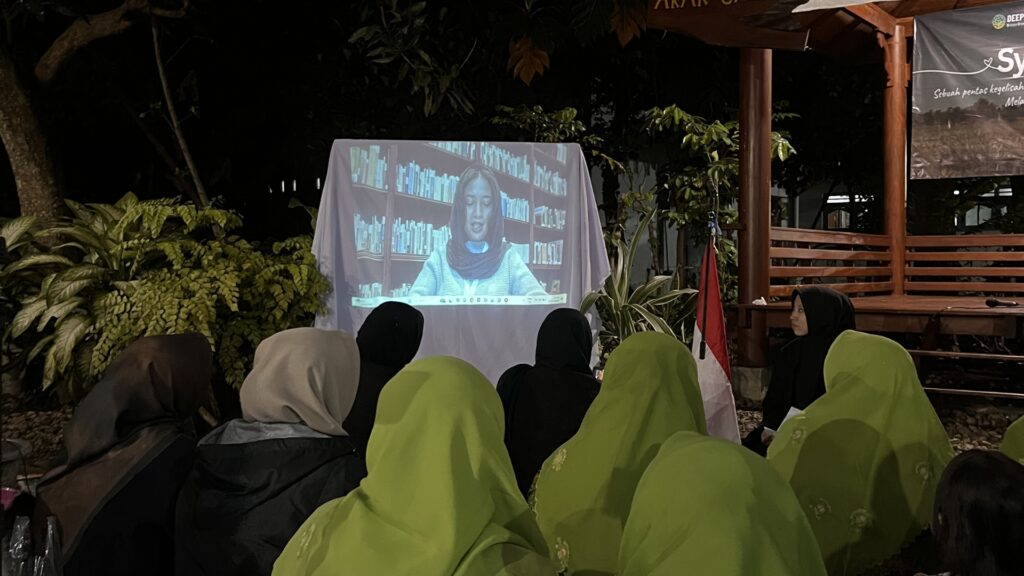
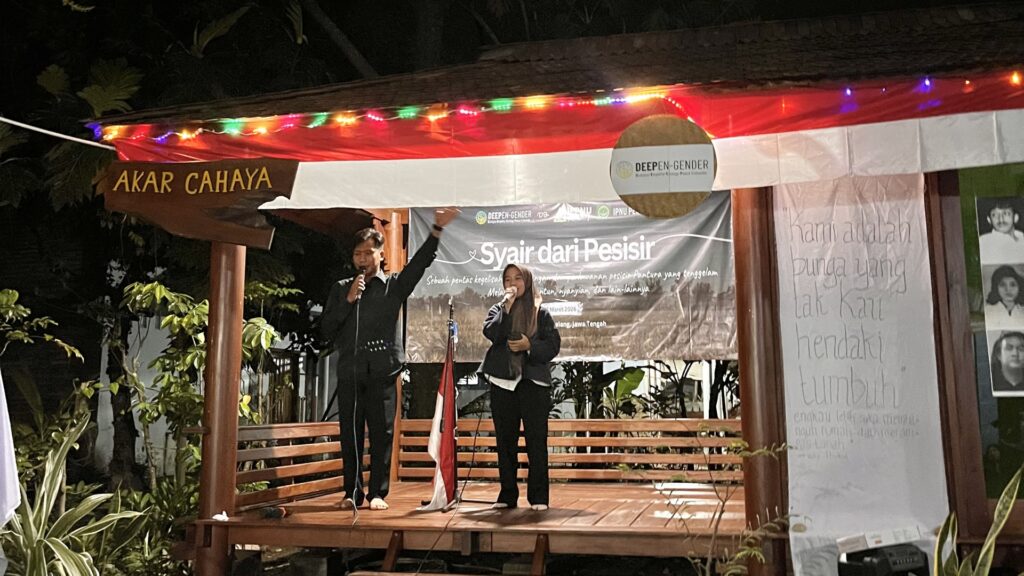
One of rural coastal areas in Pemalang, Central Java became a meeting point for lives shaped by the shifting boundary between land and water. Organized by DEEP EnGender in collaboration with Akar Cahaya Indonesia, and supported by IPNU–IPPNU Pemalang, Syair dari Pesisir brought together 64 participants spanning from women, youth, performers, village representatives, and community members. On the evening of 27 March 2026, they gathered to inhabit a shared space formed by everyday experiences of flooding, uncertainty, and survival.
In some northern coast (Pantura: Pantai Utara) areas in Pemalang and Pekalongan, flood is a condition that recurs, enters homes, interrupts routines, and reshapes how people organize their lives. These realities are often narrated differently. Flood becomes a matter of rainfall, a technical issue, a statistic to be recorded, or an “impact” to be assessed. In this translation, the complexity of lived experience is reduced, and the structures that produce vulnerability are obscured. The more the phenomenon is measured, the less it is understood in relation to the lives it transforms. What unfolded during Syair dari Pesisir moved against this tendency. The evening began with familiar expressions of the locals such as Kasidah music, greetings, and shared presence, but gradually, the space shifted in function. The stage became a site where experiences could be articulated in their own terms. Through poetry, storytelling, humor, and performance, locals brought forward fragments of everyday life that, when placed in relation to one another, began to reveal patterns.
A poem questioned the relationship between citizens and the state, asking where responsibility resides when crises persist. A retold folktale unsettled the assumption that environmental damage is accidental, instead suggesting that it is produced through human action and decision. A young participant spoke of water not as a temporary disruption, but as inheritance something carried forward across generations, unresolved and ongoing. In another moment, a woman stood on stage and made the audience laugh as she spoke of flooded kitchens, economic pressure, and the fatigue of continuing. The laughter did not diminish the weight of her words; it made them collectively recognizable. Humor became a way of holding together what might otherwise remain unspoken.
These expressions did not simply describe reality; they interpreted it. What is often categorized as personal experience began to function as a form of analysis. The flood, as it appeared through these narratives, was no longer singular or natural. It was revealed as something shaped over time, inter alia, through environmental degradation, extractive practices, and decisions that unevenly distribute risk. Those who carry its consequences most directly are often those with the least capacity to influence these processes.
This initiative, from lived experience toward structural understanding, resonates with what Anna Tsing describes as the importance of attending to how people live within damaged environments, not as passive subjects but as active interpreters of their conditions. In Pemalang, the everyday is a site where knowledge is produced. At the same time, the gathering challenges the assumption that valid knowledge must be abstracted from place. Taking this discourse further, what emerged aligns with Arturo Escobar’s argument that communities generate their own ways of understanding the world in a sense that do not separate ecological processes from social relations, nor experience from analysis.
In addition, the prominence of women’s voices throughout the evening further unsettled dominant frameworks of knowledge. The realities they articulated were not detached observations, but embodied understandings shaped through care work, labor, and repetition. Flood is known through cooking in waterlogged kitchens, through maintaining households under strain, through sustaining life under conditions that are neither temporary nor accidental. In this sense, the gathering echoes what Vandana Shiva has long emphasized, that ecological knowledge is deeply embedded in everyday practices of sustaining life, and that those most affected are not merely victims, but central producers of knowledge about the crisis.
As the evening progressed, the distinction between performer and audience began to dissolve. Participants moved beyond the curated program, adding their voices, continuing songs, and sharing stories in response to one another. The space became increasingly collective, not defined by presentation but by relation. What emerged was not a single narrative, but a shared recognition that individual experiences are interconnected and that their meaning deepens when they are held together. Departed from here, Syair dari Pesisir cannot be understood simply as a cultural event. It functioned as a space where lived realities were not extracted, but articulated; where knowledge was not imposed, but generated; and where experiences that are often fragmented were allowed to gather into a collective voice. For DEEP EnGender, this reflects an approach that places cultural practice at the center of engagement, recognizing that ecological and gender justice cannot be separated from how knowledge is produced, shared, and recognized.
In a broader context where ecological crises are frequently framed as technical or inevitable, what emerged in Pemalang offers a different perspective. It insists that these crises are shaped by histories, decisions, and power relations. It shows that those who live through them are not passive recipients of impact, but active interpreters of their conditions. And it demonstrates that when these interpretations are brought together, they can begin to form the basis of collective understanding and action.
Because what is often called “natural” is, in fact, structured. And what is structured can be named, contested, and therefore, ultimately, transformed.
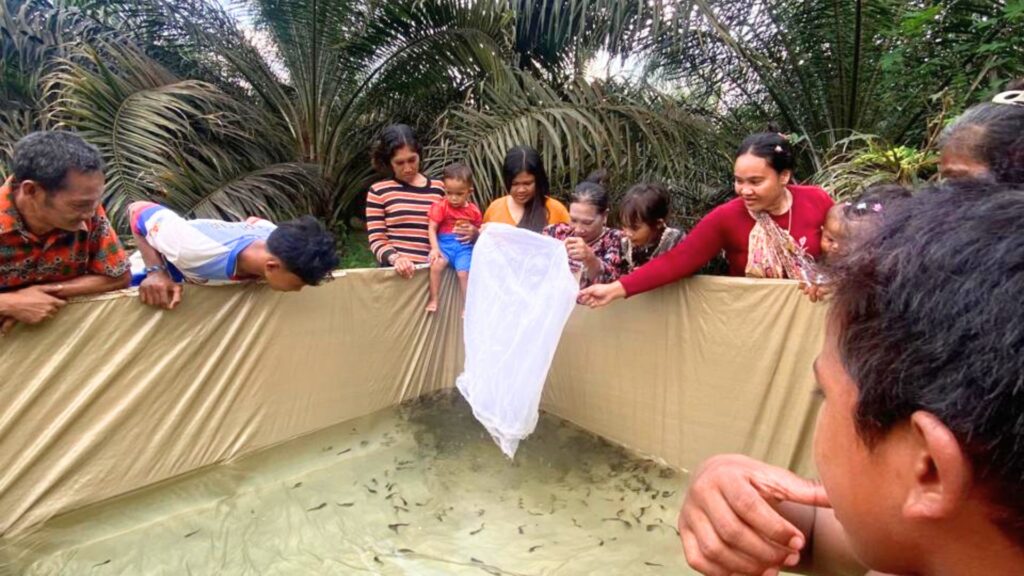
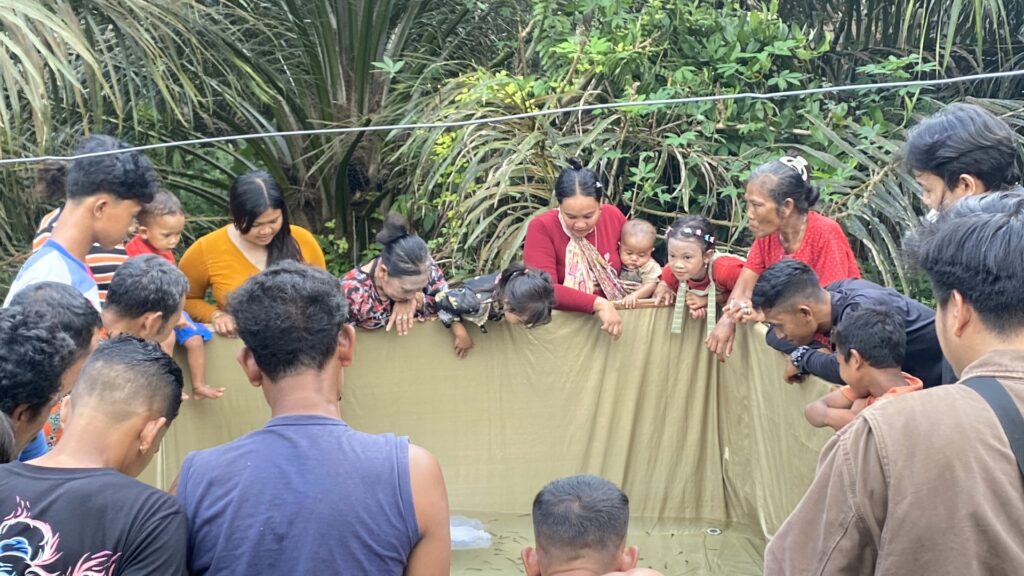
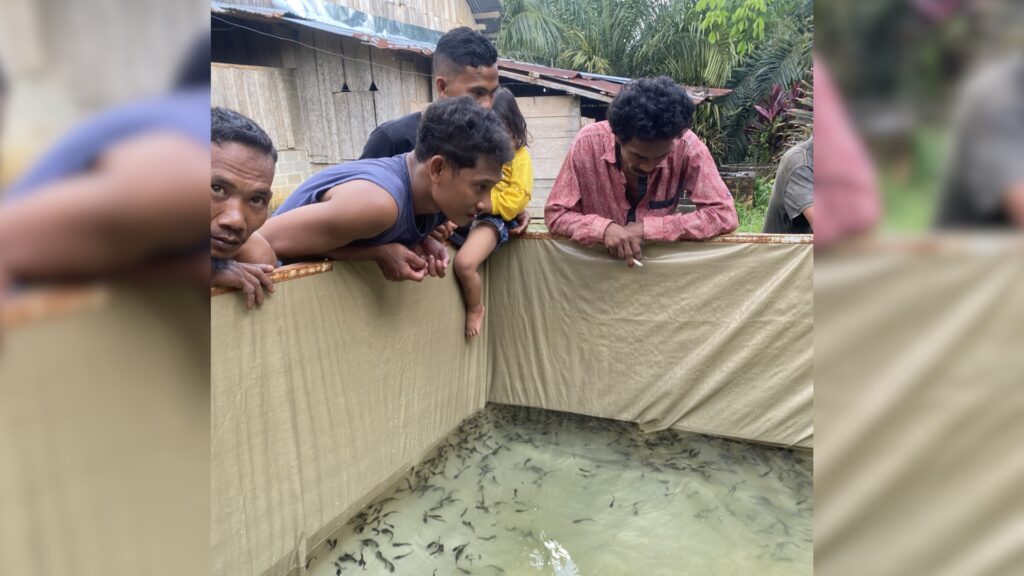
It was a sunny Friday morning in April 2026 when a new, empty pond was first unveiled in the Lantak Seribu village, one young man grinned and joked in Indonesian, “Wah, kolamnya cocok untuk beradu ayam!” (This pond looks made for a cockfight), he laughed. We joined in the laughter. At that moment, the pond was nothing practical, not yet a source of food or livelihood. It was just an unfamiliar patch of water in the ground. It felt out of place. And that mattered.
The setting is Jambi, on the island of Sumatra, where the land has already been reshaped. For the Suku Anak Dalam (SAD) (literally the Children of the Forest) the jungle was more than just land. It was a living pantry, a library of knowledge, and the heart of their identity. Hunting wild game, gathering fruits and roots, moving with the seasons of the forest – these weren’t mere chores. They were the SAD way of life itself. But the forest isn’t as it once was. Oil palm plantations have crept into their territory, swallowing trees and pathways. As the green depths of the jungle give way to rows of palms, many SAD families can no longer reach the groves and streams where they once hunted and foraged. It’s not just fish and game that are lost. It’s autonomy, the freedom to choose how to feed themselves and live by their own traditions.
When our team from DEEP EnGender began working on our new project called Digital Re-Grow Initiative with the SAD communities here, we didn’t walk in with ready-made answers or blueprints. We came with questions, and with open ears. We spent time in the village not rushing from project to project, but sitting in the shade listening to stories. We talked with everyone, the young men and women, the Induk (the female elders), and the Tumenggung (the community’s chief). Through their stories of change, of loss, of how they adapt each day, a shared concern emerged: How could they respond to the shrinking forest without sacrificing their dignity, their knowledge, and their collective agency?
Suddenly, quoting Virginia Woolf that everything came back to food. In a place where the old forest ways were disappearing, what could be grown or raised? What made sense not only economically but culturally? Together, we asked ourselves: What food project would the community accept as their own? We heard about the crops and animals they knew, but one idea kept surfacing. The SAD people didn’t normally count on fish for meals, except for one familiar kind: the catfish, or lele. It’s a fish they know and like, a fish that felt possible in these circumstances. So the idea of the pond took root. But this was not an outsider saying “Here is your solution.” It was a conversation we shaped together. Through ongoing talks with village leaders and the government, a collective plan emerged: build a catfish pond together. In the end, we prepared the pond and stocked it with two thousand catfish seedlings. Twenty-four SAD households shared in taking care of the pond. Notice how leadership came about: it was not imposed by us, or by distant experts. It came from within the community guided by the Tumenggung, the Induk SAD, and local coordinators from the village.
And yet, the pond itself was only half the story. What truly matters is how it happened. We didn’t run one-way trainings or hand down a rulebook. Instead, we organized simple workshops as circles of exchange. In those circles, modern fish-farming techniques met the community’s own ecological wisdom. Every practice was put on the table to discuss: no assumption was made. A conversation might go like this: a scientist explains a method, and then an elder raises her hand to add, “In my childhood, I remember this way might fit here.” We all learned together: the SAD, our DEEP EnGender team, and the local officials.
This was indeed a manifestation of DEEP EnGender value where decolonization is in action.There was not just buzzwords, but practice. It meant choosing to listen instead of dictating, recognizing that knowledge doesn’t only flow from universities; it lives in people’s daily lives. In this project, we made space for voices that are often overlooked: women, youth, and the people whose everyday experience is this village. For example, when a young mother spoke up about which plants she grows in her garden or an Induk told a memory of fishing in a nearby stream, those insights mattered. We honored those ideas as much as any technical advice we brought. That’s also how a feminist approach works: by centering those voices in the decision-making.
Even the laughter by the pond “cockfight pond!” was part of the process. It was a way for everyone to test ideas, to joke and question something new together. In fact, seeing how the community responded with curiosity and humor helped shape our path forward. Now, the pond has turned into a space of negotiation and possibility. The village government has promised to visit every month, to sit together and discuss how it’s going. This ensures the pond project isn’t a one-time gift from outsiders, but an evolving journey led by the people who live with it. The catfish are still growing in that pond. And something else is growing, too. A new way of working together. A different way of imagining indigenous food systems – not as things to be replaced by outside ideas, but as living traditions that can adapt on their own terms, even when much is lost. Rebuilding a future here is about holding space for what still remains, for what is changing, and for what can emerge next, together.
This article examines how prostitution in West Java must be understood within the broader context of urban inequality and uneven development. While urbanization is frequently promoted as a marker of economic progress, driven by industrial expansion, infrastructure, and investment, it has simultaneously produced new forms of marginalization. Women migrating from rural areas to cities such as Bekasi, Bandung, and Bogor often encounter exclusion from formal labor markets and limited livelihood opportunities. In this context, prostitution emerges not as an isolated moral issue, but as a survival strategy shaped by structural inequality, labor precarity, and gendered vulnerabilities.
Urban development in West Java has not eliminated poverty but redistributed it. Declining agrarian livelihoods and persistent gender inequality push women into migration, yet urban economies fail to absorb them into stable employment. As a result, poverty is reconfigured across space, concentrating opportunity in certain zones while displacing vulnerability into peri-urban areas. Within these conditions, prostitution becomes one of the limited options available to women with constrained social and economic capital. Framing it solely as a matter of morality or public order obscures its structural roots and the ways it is embedded within broader political and economic systems.
This condition is reinforced by gaps in governance. Limited labor protections and weak regulatory oversight expose women to exploitation, health risks, and trafficking. Empirical data supports the structural nature of this precarity. According to Statistics Indonesia (BPS), West Java has the highest number of commercial sex workers in the country, with 79 villages and subdistricts identified in 2024, and it also ranks among the provinces with the highest unemployment rates. These patterns reflect how urban growth, when not accompanied by inclusive policies, reproduces inequality rather than resolving it.
At the same time, prostitution is closely linked to the dynamics of capitalist development. As lower-income populations are displaced from productive spaces, they are relocated into more marginal environments where livelihoods are precarious. State interventions such as raids and evictions regulate visibility without addressing underlying causes. Drawing on Giorgio Agamben’s concept of homo sacer, sex workers can be understood as populations that are simultaneously included in and excluded from the social order, subject to control while remaining economically functional. Prostitution also forms part of the political economy of leisure. As argued by Truong Thanh-Dam, leisure under capitalism is organized and commodified, and sexual services become embedded within systems that sustain both consumption and the reproduction of labor.
In rapidly urbanizing areas such as Bekasi, Bogor, and Bandung, prostitution is often concealed within formal economic spaces, including massage and spa services. This spatial reorganization reduces visibility while leaving structural inequalities intact. Local governance, in this sense, does not eliminate marginality but manages and redistributes it, allowing economic growth to appear orderly while underlying vulnerabilities persist.
Addressing prostitution therefore requires moving beyond moral judgment toward a structural understanding of inequality. It should be approached as a consequence of socio-economic conditions rather than an individual failing. Expanding access to stable employment, strengthening labor protections, reducing stigma, and improving access to education, healthcare, and social protection are essential steps. Without such measures, urban development will continue to reproduce the very vulnerabilities it claims to overcome.
Mr. Daniel Jeremia Natanael Nababan is a social researcher focusing on environmental governance and climate policy, with particular attention to European Union–ASEAN relations. His academic work examines the political dimensions of climate governance, including the mechanisms of European Union climate hegemony toward ASEAN countries and the implementation of EU forest fire policies in the post-pandemic context. He holds a Bachelor of Social Sciences in Sociology from Universitas Negeri Jakarta and a Master of Science in European Studies from Universitas Indonesia.
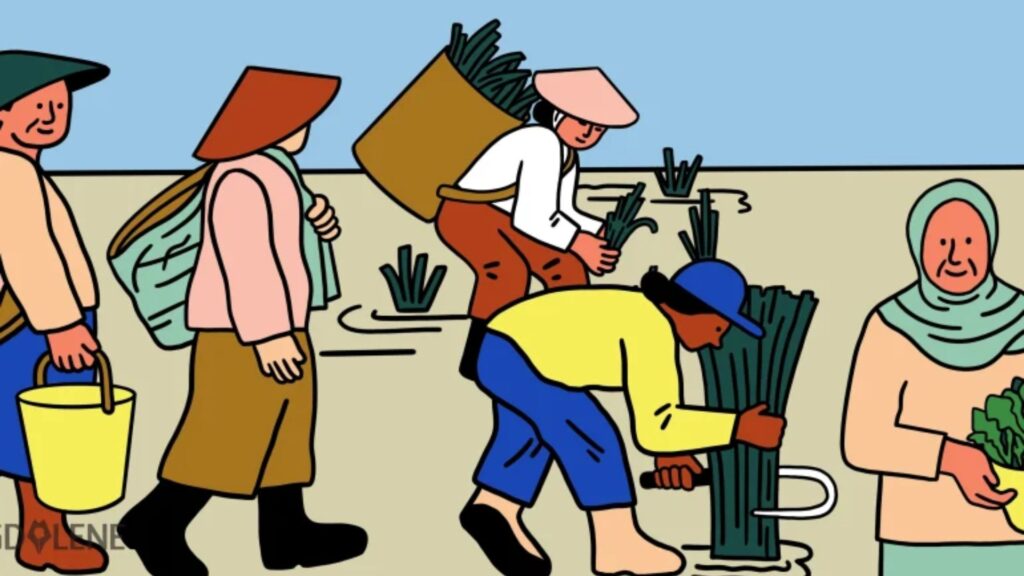
This article explores the everyday realities faced by women farmers in Sirnabakti Village, Garut, West Java, where women increasingly sustain agricultural production while men migrate to cities for work. The daily routine of many women begins before dawn with household responsibilities such as cooking and childcare, followed by hours of labor in the rice fields. Even after returning home, domestic work continues, often accompanied by additional income-generating activities. In this setting, women’s labor moves constantly between the household and the fields, creating overlapping responsibilities that rarely pause.
Although women now make up a larger share of agricultural laborers in the village, this does not translate into improved welfare. Many women farmers are landless or own only very small plots, leaving them dependent on selling their labor to landowners. Wages remain unequal, with women typically paid significantly less than men for different agricultural tasks. Their work is often framed as supplementary income for the household, even though it frequently plays a crucial role in sustaining family livelihoods.
Beyond wage inequality, women also face structural barriers to technology and mobility. Cultural norms restrict women from using certain farming tools or operating machinery, which limits their participation in higher-paid or technologically assisted tasks. As a result, women remain concentrated in labor-intensive activities such as planting, harvesting, and weeding.
Despite these constraints, women in Sirnabakti demonstrate resilience and collective agency. Through community organizations and local networks, they share agricultural knowledge, manage household finances, and support each other in navigating economic pressures.
The article concludes that addressing these inequalities requires structural change, including equal wages, improved access to technology, and stronger recognition of women’s central role in agriculture. Without such reforms, the burdens carried by women farmers will continue to shape both rural livelihoods and the opportunities available to future generations.
Mr. Daniel Jeremia Natanael Nababan is a social researcher focusing on environmental governance and climate policy, with particular attention to European Union–ASEAN relations. His academic work examines the political dimensions of climate governance, including the mechanisms of European Union climate hegemony toward ASEAN countries and the implementation of EU forest fire policies in the post-pandemic context. He holds a Bachelor of Social Sciences in Sociology from Universitas Negeri Jakarta and a Master of Science in European Studies from Universitas Indonesia.
This article examines why gender sensitivity is essential for effective disaster risk reduction in Indonesia. It argues that the country’s disaster responses, illustrated by the COVID-19 pandemic and the 2025 floods in Sumatra and Aceh, have largely been shaped by centralized, command-driven governance that prioritizes speed, control, and visible state authority. While these approaches aim to manage emergencies efficiently, they often overlook gender-responsive planning and the everyday realities faced by women during crises.
In many disaster contexts, women experience disproportionate impacts. During the pandemic and post-flood recovery, women carried heavier burdens of unpaid care work, faced heightened risks of gender-based violence, and encountered barriers in accessing aid and recovery programs. Emergency shelters and relief systems frequently lacked adequate attention to privacy, reproductive health services, childcare, and safety, issues that directly affect women’s wellbeing. At the same time, the article highlights that women are not simply vulnerable victims. Across Indonesia, women have demonstrated strong grassroots leadership in disaster response. They organize community kitchens, coordinate local relief networks, care for children and elderly residents, and help maintain social cohesion during crises. Indigenous women also contribute important ecological knowledge that supports long-term environmental stewardship and community resilience.
Despite these contributions, women’s roles remain underrecognized in formal disaster governance. The article therefore calls for stronger integration of gender perspectives in emergency policies, including gender-disaggregated data, women’s participation in decision-making, and the recognition of Indigenous women’s knowledge in environmental and climate policies. Strengthening gender-sensitive governance, the article concludes, is not only a matter of equity but also a practical step toward building more resilient and sustainable disaster responses in Indonesia.rticle explores why gender sensitivity is crucial for disaster risk reduction in Indonesia.
The piece highlights how disaster governance in Indonesia often relies on centralized and militaristic approaches that overlook gender perspectives. As a result, women’s specific vulnerabilities and contributions in crisis response remain underrecognized. The article emphasizes that women are not only among the most affected during disasters, but also play critical roles in community resilience organizing mutual aid, managing shelters, supporting livelihoods, and sustaining local knowledge. Strengthening gender-responsive disaster governance is therefore essential to build more just and resilient communities.
Mr. Daniel Jeremia Natanael Nababan is a social researcher focusing on environmental governance and climate policy, with particular attention to European Union–ASEAN relations. His academic work examines the political dimensions of climate governance, including the mechanisms of European Union climate hegemony toward ASEAN countries and the implementation of EU forest fire policies in the post-pandemic context. He holds a Bachelor of Social Sciences in Sociology from Universitas Negeri Jakarta and a Master of Science in European Studies from Universitas Indonesia.
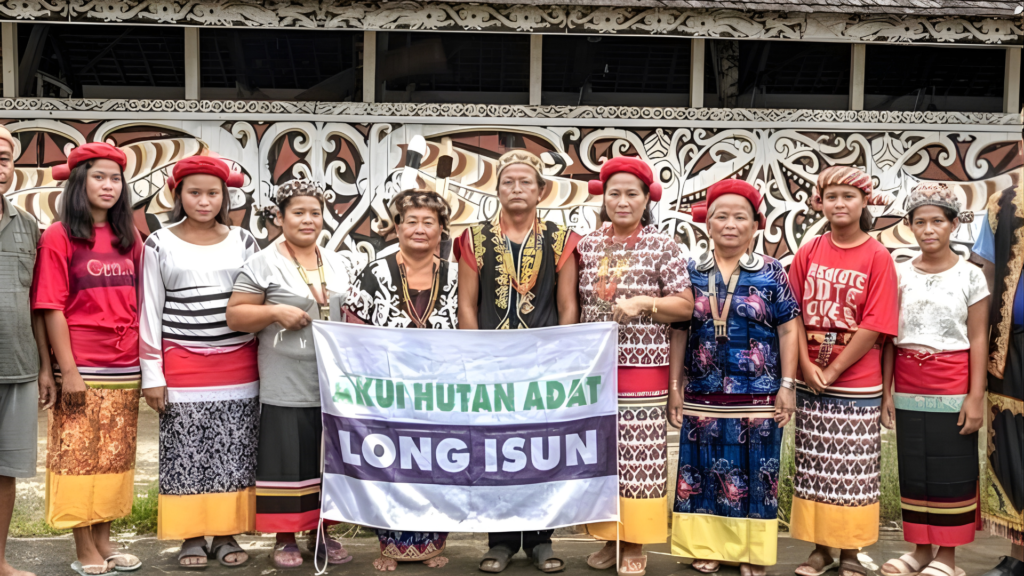
This commentary examines how the World Bank’s carbon emissions reduction program in East Kalimantan risks further undermining the rights and sovereignty of the Dayak Bahau Indigenous community of Long Isun. While land disputes over customary territory remain unresolved, the program has moved forward by relying on state administrative maps that erase Indigenous governance, ancestral boundaries, and lived relationships with the forest.
Drawing on the community’s formal grievance submitted in November 2025, the article argues that climate finance mechanisms are not politically neutral. When Free, Prior and Informed Consent (FPIC) is treated as a technical checklist rather than a process grounded in recognition and equality, carbon projects can reinforce the very power structures that enabled dispossession in the first place. In this case, Indigenous communities are counted in carbon calculations, yet rendered invisible in benefit-sharing and decision-making frameworks.
The Long Isun case highlights a broader warning for global climate policy: climate solutions built on unresolved injustice cannot be legitimate. The authors call for a fundamental shift in approach, one that resolves customary land conflicts before launching carbon projects, recognizes Indigenous authority over forest governance, and understands sustainability as inseparable from justice, dignity, and Indigenous sovereignty.
Fuat Edi Kurniawan / fuat.engender@globaldeepnetwork.org
Mr. Fuat Edi Kurniawan is an interdisciplinary researcher specializing in environmental governance, climate resilience, and social development. His research and practice span peatland and mangrove revitalization, Indigenous forest conservation, political ecology, and the green economy, while also advancing community resilience through refugee livelihoods, women’s digital empowerment, and social protection. He earned both his Bachelor’s and Master’s degrees in Sociology from Gadjah Mada University.